How to Choose Flexible Graphite for Industrial Use?
Choosing Flexible Graphite for industrial use is not just a matter of selecting a sheet thickness. The right grade must suit the equipment, process conditions, and sealing demands. A gasket around a hot flange, for example, faces different pressures and media than graphite foil used in a thermal interface. Small details matter.
Start with the application. Record operating temperature, pressure, fluid or gas exposure, flange condition, and expected service life. Temperature limits can change with atmosphere and grade, so a general product rating is only a starting point. Check the manufacturer’s technical data and ask how test conditions compare with your actual process. A datasheet can look reassuring; real installations are less tidy.
Then compare relevant properties, including density, thickness tolerance, compressibility, recovery, and oxidation resistance. For critical seals, also review purity, reinforcement, and compatibility with adjacent materials. Some grades include metal inserts or other reinforcements to improve handling and mechanical strength. These options may also affect flexibility, sealing behavior, and cost. Not always.
Reliable selection depends on evidence, not one impressive specification. Request current documentation, confirm whether values are typical or guaranteed, and discuss unusual operating conditions with the supplier. Where failure could interrupt production, test a representative sample or verify performance through a qualified engineering review. There may be trade-offs: a material that installs easily may not be the best fit for repeated thermal cycling. This guide explains the practical questions that help narrow the options and choose Flexible Graphite with greater confidence.

What Flexible Graphite Is and How It Is Made
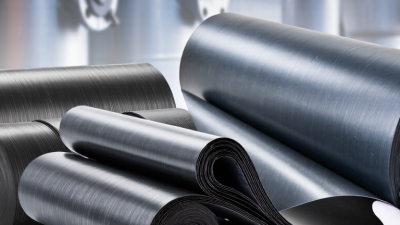
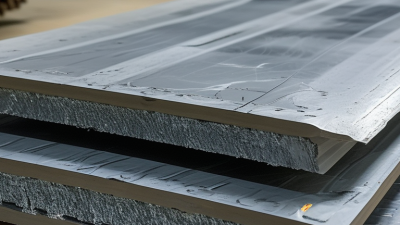
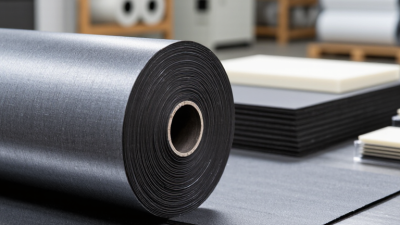
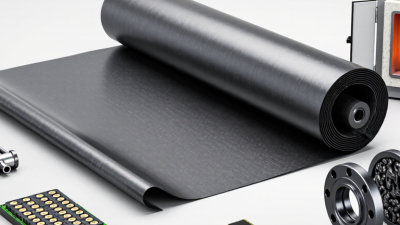
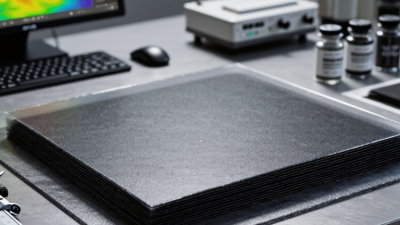
Flexible graphite is a pliable sheet material made from natural graphite flakes. It is not ordinary graphite powder mixed with a flexible binder. Its layered carbon structure allows it to bend while retaining useful heat resistance and sealing performance. You may see it in gasket sheets, tape, and formed components. The texture is often dark and smooth, though cut edges can shed small particles.
Manufacturing starts by treating graphite flakes with an intercalating agent, which enters between their layers. After washing and drying, the flakes are heated rapidly. The trapped material expands, opening the layers into loose, worm-like particles. These particles are then compressed into sheets, usually without a conventional binder. Density and thickness depend on processing, so products can vary. That variation matters. A sheet that looks similar may behave differently under pressure, temperature changes, or repeated compression.
Tips: Check the specified density, thickness, and temperature limits for your application. Ask how the material performs in the actual sealing conditions, not just in a general test. Inspect the sheet for tears and uneven edges before cutting. A small detail can affect fit. Production is not perfectly uniform, and that is worth considering when tolerances are tight.
Which Industrial Requirements Guide Material Selection
Selecting flexible graphite starts with the service conditions, not a headline temperature rating. Record operating and peak temperatures, pressure, fluid chemistry, and cycling frequency. A gasket beside a hot flange may face steam, vibration, and repeated shutdowns. Each condition can change sealing performance. Ask for density, thickness, compressibility, recovery, and oxidation limits for the specific grade. Check whether the material needs reinforcement or a facing layer. Small details matter.
Purity and supply consistency also deserve attention. The USGS Mineral Commodity Summaries 2025 estimated global natural graphite production at 1.6 million metric tons in 2024. That market figure does not guarantee consistent properties between batches. Request lot-specific certificates and test data, then compare them with the actual media and installation conditions. For critical seals, review leakage results under representative pressure and temperature cycles. I would not treat one datasheet value as a guarantee; test methods and sample conditions matter. A small pilot installation can reveal handling or compression issues before a wider rollout.
How to read this chart: These indicative ranges help compare sheet grades during initial screening; they are not guaranteed specifications. Test methods and grade formulations affect results. Confirm compressibility, recovery, and ash content against the supplier’s product data, then check the grade against service temperature, atmosphere, pressure, and chemical exposure.
How to Compare Grades, Density, and Mechanical Properties
How to Choose Flexible Graphite for Industrial Use?
Compare grades using measured properties, not grade labels alone. ASTM F2168 covers flexible graphite sheet used in gasket applications and provides a framework for evaluating properties such as density, tensile strength, compressibility, and recovery. Request test results for the exact grade and thickness you plan to use. A denser sheet is not automatically better: it may resist handling damage, yet compress less readily under a given load. Match the data to the flange finish, bolt load, temperature, and fluid exposure.
The USGS Mineral Commodity Summaries 2024 estimated global natural-graphite mine production at about 1.6 million metric tons in 2023. That figure describes raw-material supply, not sheet performance—a useful distinction when reviewing technical claims. Compare supplier reports only when test methods and conditions match. Check recovery after compression, tensile strength during cutting, and density across production lots. A tidy datasheet can still leave gaps; ask for application-specific validation where leakage risks are high.
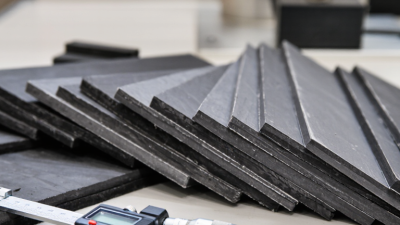
Tips: Keep samples from candidate grades. Compare thickness, density, and recovery under the same test conditions. Record the numbers. Then test a cut gasket on the actual flange, because installation can expose weaknesses that a table misses.
How Operating Conditions Affect Flexible Graphite Performance
How to Choose Flexible Graphite for Industrial Use?
Operating conditions shape how flexible graphite performs in service. Temperature is only part of the picture. In hot, oxygen-rich environments, graphite may oxidize faster than it would in an enclosed or reducing atmosphere. Check the material’s rated limits against actual exposure, including start-up and shutdown periods. Those brief transitions matter.
Pressure and flange design matter too. A gasket needs enough compression to seal, but excessive bolt load can cause damage or uneven stress. A rough flange, for example, may leave tiny leak paths even when the graphite itself is suitable. Surface condition, gasket thickness, and bolt-tightening practices should be considered together. Details add up.
The process medium can change the selection. Check chemical compatibility at the expected concentration and temperature, and consider whether contaminants or moisture may be present. Thermal cycling can also loosen a joint as parts expand and contract. A material that works during a steady test may behave differently after repeated cycles. That assumption deserves a second look.
Review the equipment’s operating records, not just its design temperature. Ask how often the joint is opened, whether pressure fluctuates, and what leakage limits apply. Where conditions are uncertain, a small trial under representative service conditions can reveal issues that a data sheet cannot. Document the result, including bolt load and inspection findings.
How to Verify Quality, Compatibility, and Supplier Specifications
Selecting flexible graphite starts with the real operating envelope, not a catalogue temperature alone. The U.S. Department of Energy’s 2008 Waste Heat Recovery report estimates that industrial processes may lose 20–50% of energy input as waste heat. That range highlights why heat exposure matters, but it does not define a safe graphite limit. Confirm temperature, pressure, cycling, and atmosphere together. Oxygen can accelerate graphite oxidation at elevated temperatures.
Ask for batch-specific test results, not just a general product sheet. ASTM F2168 covers laminated flexible graphite packing, while ASTM F36 and F38 describe methods for measuring gasket compressibility, recovery, and creep relaxation. Check which tests apply to the supplied form. Request carbon content, density, thickness tolerance, ash or impurity limits, and oxidation data. Small differences matter. A smooth sheet can still relax under bolt load.
Compatibility needs equal attention. Share the actual fluid, concentration, temperature, and any start-up cleaning chemicals with the supplier. Ask whether metal reinforcement, inhibitors, or coatings change performance or introduce contamination concerns. Compare stated limits with the equipment’s design conditions, then record any assumptions. A datasheet can look complete and still omit the service detail that matters most. Reflect on that gap before approval.