Choosing the right Natural Graphite Sheet is not a matter of selecting the darkest or thinnest sample. The right choice depends on heat flow, operating temperature, thickness, flexibility, and the surfaces the sheet must contact. A sheet designed for a compact electronic device may not suit a larger assembly exposed to repeated pressure. Small differences matter.
As materials engineer Dr. Peter J. F. Harris’s research on carbon materials suggests, graphite performance depends on structure as well as composition. The following is an editorial summary, not a verbatim quotation: “Match the graphite’s properties to the real conditions of use.” That distinction matters. Published product data and application testing should guide a purchase more than a broad label such as “high conductivity.”
Start with the job the sheet must perform. Check in-plane and through-plane thermal conductivity, thickness tolerance, density, and flexibility. Confirm whether the material needs adhesive backing or a protective coating. Ask for test methods and sample data; headline values can hide important differences. Then test a sample in the intended assembly, including its actual contact pressure and surface finish. A sheet that handles heat well on paper may perform differently against a rough housing.
There is no universal best option. Trade-offs remain. This guide explains how to compare specifications, assess supplier evidence, and select a Natural Graphite Sheet with fewer assumptions. One detail is easy to overlook: installation can change performance. A careful test is worth the extra time.
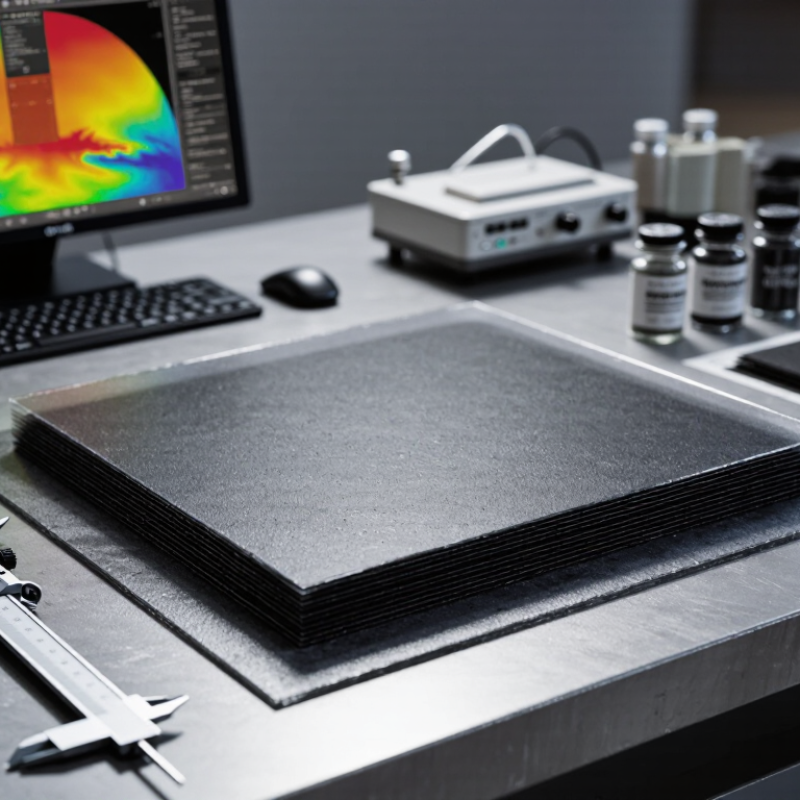
Natural graphite sheets are produced by processing graphite into thin layers, with performance shaped by purity, density, thickness, and manufacturing method. Depending on processing, a sheet may be flexible enough to conform to a slightly uneven surface. Its key properties can include thermal conductivity, electrical conductivity, compressibility, and resistance to many chemical environments. Not all sheets behave alike. Many conduct heat more readily along the sheet than through its thickness, so check directional data before designing a heat path. Test conditions matter. A conductivity figure without its measurement direction and method may not predict performance in your assembly.
Start with the application: spreading heat, making electrical contact, or filling a narrow gap each places different demands on the material. Compare thickness and compression behavior, then check whether the sheet can maintain contact under the pressure available in your design. For a small electronic enclosure, for example, a thick sheet may bridge a gap but leave less room for components. Fit matters too. Inspect handling requirements and cut edges, since tearing or poor placement can affect contact. It is tempting to select the highest conductivity value, but that can overlook fit, pressure, and orientation. The data sheet is useful; a sample test in the actual assembly is better.
Start with the heat source and its destination. A processor may need heat spread sideways toward a chassis, while a battery module may need more even surface temperatures. Natural graphite sheets conduct heat differently along and across their layers. Direction matters. Specify the heat flow path, operating temperature, sheet thickness, and contact pressure before comparing materials.
Electrical requirements need equal care. Graphite can conduct electricity, so a sheet near exposed contacts may need an insulating layer or clearance. Define the allowable resistance, current path, and isolation requirements. Then review test data taken under conditions resembling your assembly. A published conductivity value alone may not reflect performance after compression or installation.
The USGS Mineral Commodity Summaries 2024 estimated global natural graphite mine production at 1.6 million metric tons in 2023. This signals a substantial industrial supply, but it does not establish the performance of any particular sheet. I would not treat a catalog maximum as a design value. Test a sample in the actual stack: measure temperatures at the source and sink, check electrical resistance, and repeat after compression. Small gaps can change results. They are easy to overlook.
Natural graphite sheet grades can differ in purity, ash content, density, flexibility, and surface finish. A higher-purity grade may suit applications sensitive to contamination, while a denser sheet can offer better handling strength. Grade labels are not standardized across every supplier, so compare test methods and actual data rather than relying on names alone. For heat spreading, check in-plane conductivity; heat usually travels less efficiently through the sheet’s thickness. Small details matter.
Thickness changes both performance and fit. A thinner sheet can conform to a flat component and take up little space, but it may tear during assembly or fail to bridge a surface gap. A thicker sheet can be easier to handle and may fill uneven contact areas, yet it adds bulk and does not automatically improve heat transfer. Material structure matters, too: expanded graphite has layered flakes, so orientation and compression can affect conductivity and strength. Some sheets include reinforcement or surface treatments, which alter flexibility and contact behavior. A datasheet rarely tells the whole story. Test a sample under the real clamping pressure and temperature; I would not assume a neat lab result will match a rough production surface.
Start with the real duty cycle, not a catalogue headline. Record continuous and peak temperatures, pressure, humidity, and exposure to oils or process gases. Natural graphite sheets vary in purity, density, grain orientation, and binder content; these factors affect conductivity, compressibility, and sealing. Ask for test data at the intended temperature and load, not just room-temperature values. Small details matter. The USGS Mineral Commodity Summaries 2024 estimated global natural graphite mine production at 1.6 million metric tons in 2023. That supply context makes lot traceability and grade consistency worth checking, but it does not certify sheet performance.
Check every material touching the sheet. Graphite conducts electricity, so confirm clearances near terminals and other conductive parts. In moist assemblies, test for galvanic corrosion between graphite and the actual contacting metals. Also check whether adhesives, coatings, or sealants soften, swell, or shed residue at operating temperature. ASTM C611 provides a method for measuring room-temperature electrical resistivity of manufactured carbon and graphite; it cannot replace testing under hot, loaded assembly conditions. A datasheet can look reassuring. Real contact surfaces are less tidy. Run thermal-cycle tests with representative metals and fluids, then inspect for leaks, surface transfer, or changes in contact resistance.
A useful specification sheet does more than list thickness and price. Check thickness tolerance, density, ash content, and thermal conductivity. Ask how each value was measured, including the test method and sample direction. Graphite properties can vary across the sheet, so a single figure may not describe real performance.
Compare suppliers using the same requirements. Request a current certificate of analysis and confirm that it identifies the tested batch. For thermal applications, ask whether conductivity is measured in-plane or through-plane. For sealing or compression, review compressibility, recovery, and surface condition. Small differences matter. A rough edge or uneven thickness can affect assembly, even when headline values look acceptable.
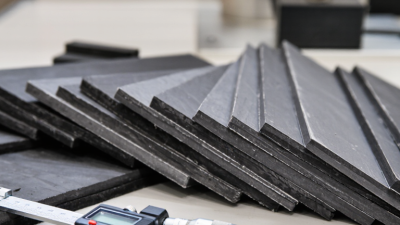
Tips: Request a sample and inspect it under your actual process conditions. Check several points with a thickness gauge, not just the center. Keep the supplier’s stated tolerances on file. Specifications can look convincing; sometimes they still leave questions. Ask for clarification before placing an order.