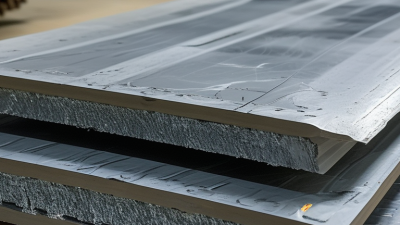
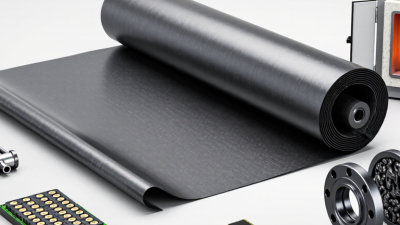
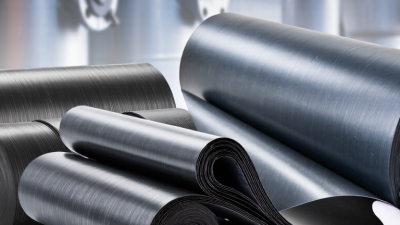
Graphite Sheet products serve demanding applications in electronics, energy systems, automotive components, and industrial equipment. Buyers value their thermal conductivity, compressibility, and ability to fit thin, uneven interfaces. Yet performance depends on more than a product label. Material grade, thickness tolerance, density, surface finish, and operating conditions all matter. Small differences can affect heat transfer and assembly pressure.
This 2026 guide introduces manufacturers for global buyers comparing product capabilities, production experience, and supply options. It is not a fixed ranking: the right supplier depends on the application, order volume, and qualification requirements. Look for clear technical data, consistent quality controls, and responsive support. Request samples where practical. Test them in the actual assembly. That step is easy to overlook.
A supplier’s website may not tell the whole story. Confirm current specifications, manufacturing locations, lead times, and documentation directly with each company. Ask how tolerances are measured and how batch consistency is checked. For specialized designs, discuss cutting methods and any adhesive or insulation layers before ordering. Details matter. Even a well-known manufacturer may not suit every project, and this guide cannot replace independent testing. Use it as a starting point, then verify claims against your own thermal, mechanical, and sourcing needs.
Graphite Sheet Manufacturing: Materials, Processes, and Product Types
Graphite sheets begin with natural or synthetic graphite, selected for purity, flexibility, and thermal stability. Natural graphite usually offers strong compressibility and good electrical performance. Synthetic graphite provides more consistent structure and tighter quality control. Some products use expanded graphite, created by treating graphite flakes and rapidly heating them. The flakes separate into a light, worm-like structure. This detail affects density and recovery.
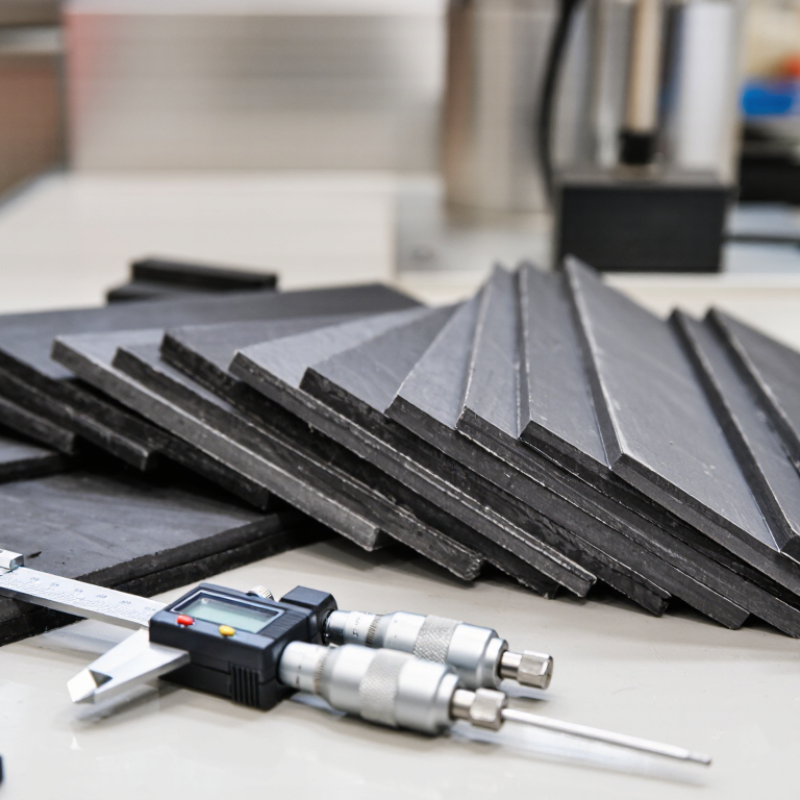
Manufacturing normally includes purification, expansion, pressing, rolling, and cutting. Expanded graphite is compressed into sheets under controlled pressure. Rolling adjusts thickness and surface uniformity. Annealing may reduce internal stress, but excessive heat can damage performance. It happens. Quality teams typically measure thickness, density, ash content, tensile strength, and compressibility. Buyers should request test methods, not only attractive specification tables. Batch variation remains a practical concern.
Product types serve different applications. Flexible graphite sheets support sealing around pipes, valves, and heat-producing equipment. Reinforced sheets include metal inserts, improving handling and resistance to tearing. Graphite foil is thinner and suits thermal interfaces, furnace components, and electrical insulation systems. Laminated products combine graphite with adhesive, fabric, or metal layers. Each structure changes conductivity and sealing behavior. A sheet that performs well in a laboratory may respond differently after repeated compression, moisture exposure, or installation errors. Global buyers should verify dimensions, packaging, traceability, and compliance documents before placing volume orders.
2026 Top Graphite Sheet Manufacturers for Global Buyers
Key Factors for Evaluating Global Graphite Sheet Manufacturers
Global buyers should evaluate graphite sheet manufacturers beyond price and catalog thickness. The U.S. Geological Survey reported approximately 1.6 million metric tons of natural graphite production in 2024. This scale increases supply options, but it also makes traceability more important. Ask for batch records, raw material origin, and recent test reports. A sample alone is not enough.
Technical performance should match the application. Check thermal conductivity, compressibility, density, ash content, and thickness tolerance. For sealing parts, compression recovery and leakage performance matter greatly. For heat-spreading components, in-plane conductivity and dimensional stability deserve closer attention. Require testing methods, not only attractive numbers. The International Energy Agency reports that China supplies around 90% of global graphite refining capacity, so regional supply concentration deserves a practical risk review.
Manufacturers should also show process control. Look for calibrated equipment, documented inspection points, and repeatable results across production lots. ISO 9001 certification helps, but it does not replace product evidence. Review sample-to-batch consistency, packaging protection, lead times, and corrective-action records. A polished sample can still hide weak production discipline. No scorecard is perfect. Buyers should audit one real shipment before approving long-term volume.
The chart presents typical specification ranges commonly found in flexible graphite sheet datasheets. Carbon content, compressibility, recovery, ash content, and thickness tolerance should be verified against the applicable test method, product grade, density, reinforcement structure, and application requirements. Lower ash content and tighter thickness tolerance generally indicate better material consistency.
A credible 2026 supplier ranking should compare graphite sheets against the same application requirements. Buyers can check thickness tolerance, density, thermal conductivity, and compression behavior. Numbers need context. Conductivity results may vary with test method, sample direction, and temperature, so published figures should include those details. Ask for current test reports and clear measurement conditions.
Manufacturing consistency matters as much as peak performance. Review batch traceability, inspection procedures, sample availability, and the supplier’s ability to maintain agreed specifications across repeat orders. For electronics or other heat-sensitive assemblies, request data at relevant temperatures and under realistic contact pressure. A polished datasheet alone is not enough. Production capacity, typical lead times, and communication about material changes can also affect supply reliability.
A practical ranking should weigh technical fit, documented quality, delivery performance, and support rather than relying on one headline metric. Buyers should test samples in their own assemblies when possible. Small gaps or uneven compression can change heat transfer. Even a careful scorecard has limits; public information may not reveal how a factory handles a difficult production run. Treat rankings as a shortlist, then verify claims through samples, records, and direct technical discussion.
Graphite sheet manufacturers serve global buyers through different regional strengths. Some regions offer mature processing networks, with access to cutting, laminating, and inspection services. Others may provide competitive production capacity but depend on imported inputs or longer transport routes. Buyers should compare the full supply chain, not just the factory location.
Ask suppliers where raw materials are processed, which steps occur in-house, and how finished sheets are checked. Useful evidence includes thickness measurements, density records, batch identification, and sample results that match production specifications. A clear answer about packaging also matters: graphite sheets can crease or pick up dust if protection is inadequate. Small details count.
International coverage depends on more than shipping to a port. Confirm typical production lead times, export packing methods, available freight options, and how the supplier handles delays or damaged goods. Regional warehouses can shorten delivery, but stock levels may change. That matters. A polished map can make a route look simple; actual transit times, customs handoffs, and communication gaps may tell a different story. Buyers should test the process with a small order before relying on a larger supply commitment.
| Region | Common Manufacturing Capabilities | Typical Sheet and Material Options | Quality and Documentation Considerations | International Supply Chain Coverage | Buyer Due-Diligence Priorities |
|---|---|---|---|---|---|
| East Asia China, Japan, and South Korea |
Established production ecosystems for flexible graphite, graphite foil, laminated sheets, and converted thermal-management parts. Capabilities vary by producer and facility. | Flexible graphite sheet and foil; adhesive-backed, laminated, or die-cut formats may be available. Thickness, density, and dimensions are product-specific. | Request a current technical data sheet, lot-specific inspection records, and applicable material-compliance declarations. Confirm test methods and tolerances rather than relying on catalog values. | Broad access to international container and air-freight services through major East Asian ports and airports. Transit time, routing, and customs requirements depend on origin and destination. | Verify the actual manufacturing site, graphite source and grade, consistency between samples and production lots, and export documentation for the destination market. |
| South Asia India and neighboring markets |
Regional production and conversion capacity for graphite products, including sheet formats; available processes and scale differ among suppliers. | Flexible graphite sheets and converted components may be offered. Confirm whether the product is expanded graphite, a laminate, or another graphite-based construction. | Check declared composition, dimensions, density, compressibility, and thermal or sealing performance against the intended application and test standard. | Exports commonly move by ocean freight, with air freight available for time-sensitive shipments. Lead times depend on plant location, port access, and carrier schedules. | Assess production capacity, raw-material traceability, packaging for moisture and handling protection, and the supplier’s ability to support repeat orders. |
| Europe European Union and United Kingdom |
Supply includes material production, precision conversion, lamination, and application-specific fabrication. European suppliers may also distribute products made elsewhere. | Flexible graphite sheet, gasket sheet, laminated constructions, and custom-cut parts, subject to supplier portfolio and application requirements. | Request declarations relevant to the product and destination, such as REACH-related information where applicable, alongside technical data and traceable batch documentation. | Dense road, rail, sea, and air networks support regional distribution and cross-border trade. Import status and duties depend on the shipment’s origin and destination. | Distinguish manufacturing origin from distributor location; confirm applicable regulatory declarations, product change control, and agreed inspection criteria. |
| North America United States, Canada, and Mexico |
Regional capabilities include conversion, die cutting, gasket fabrication, and distribution, alongside manufacturing capacity that varies by product category. | Graphite sheet, gasket material, and custom-converted parts may be available through domestic or imported supply channels. Confirm construction and performance for the application. | Request lot identification, dimensional inspection results, and application-relevant thermal, sealing, or electrical data. Confirm the basis of any stated compliance claim. | Road, rail, air, and ocean freight serve regional and international movements. Cross-border delivery may require origin, tariff, and customs documentation. | Confirm whether goods are locally manufactured or imported, assess inventory and replenishment plans, and clarify warranty and nonconformance procedures. |
| Other manufacturing and conversion hubs Selected Southeast Asian and Middle Eastern markets |
Capabilities may include component conversion, assembly, or distribution; availability of primary graphite-sheet production should be verified directly with each supplier. | Offerings can include imported flexible graphite sheet, cut parts, and laminated components. Product range and local processing capability are supplier-specific. | Obtain documentation from the original producer as well as the local supplier, including product identification, batch details, and test methods. | International sourcing often relies on ocean or air freight from established production regions, followed by regional distribution. Route and lead time vary by trade lane. | Verify the original country of manufacture, supply-chain handoffs, stock availability, import requirements, and controls for product substitution. |
| How to use this table: Regional entries describe general industry capabilities and logistics patterns, not a ranked or verified list of individual manufacturers. Graphite-sheet specifications and availability vary by product, plant, and order. Buyers should validate current technical data, manufacturing origin, regulatory documentation, and shipment terms directly with the supplier before placing an order. | |||||
Graphite sheets move heat away from hotspots in phones, laptops, LED assemblies, and battery packs. Their thin, flexible form helps spread heat where metal plates add too much weight or thickness. The USGS Mineral Commodity Summaries 2025 estimated global natural graphite mine production at 1.6 million metric tons in 2024. That figure reflects raw material supply, not finished-sheet capacity or consistency. Buyers should distinguish natural, synthetic, and expanded graphite products, since conductivity, flexibility, and cost vary.
Small differences matter.
Request measured in-plane thermal conductivity, thickness tolerance, density, and electrical properties for the exact grade. For compressed or gasket-like uses, ask for relevant compression, recovery, and sealing test results; no single test describes every application.
Check performance after heat cycling, not only on a new sample. Ask for evidence. A datasheet alone can still mislead: test methods, sample direction, and pressure can change reported results.
Compare samples under your actual assembly conditions, including adhesive layers and contact pressure. Also review batch traceability, inspection records, and packaging protection; a creased sheet may not perform like a pristine lab coupon.
I would leave room for uncertainty in early trials, because supplier data may not match the geometry or airflow of the final device.