China has become a major manufacturing base for Carbon Graphite Sheet products used in thermal management, electrical insulation, sealing, and industrial protection. Reliable suppliers do more than offer standard sizes. They control raw material selection, graphite purity, thickness tolerance, compression behavior, and surface treatment. These details matter when a sheet must fit tightly beneath a battery module or seal a high-temperature flange.
Professor Yury Gogotsi, a respected carbon-materials researcher, has said, “Carbon is an amazing material because it can be made in so many different forms.” That flexibility explains the wide range of graphite sheet grades available today. Flexible graphite, expanded graphite, and reinforced graphite sheets each respond differently to pressure, heat, chemicals, and repeated movement. Choosing by price alone is risky.
A dependable China Carbon Graphite Sheet manufacturer should provide clear technical data, inspection records, and application guidance. Look for information about carbon content, density, ash level, tensile strength, thermal stability, and allowable service temperature. Sample testing is still essential. Specifications can look perfect on paper.
In practical use, a poorly selected sheet may crack during installation, lose sealing pressure, or transfer heat unevenly. An experienced supplier will discuss operating conditions before recommending a grade. They should also explain limitations honestly. No material fits every design.
This guide examines China’s leading manufacturers and suppliers, their production capabilities, quality systems, customization options, and export experience. It also considers a point buyers sometimes overlook: consistent performance is more valuable than an impressive catalogue.
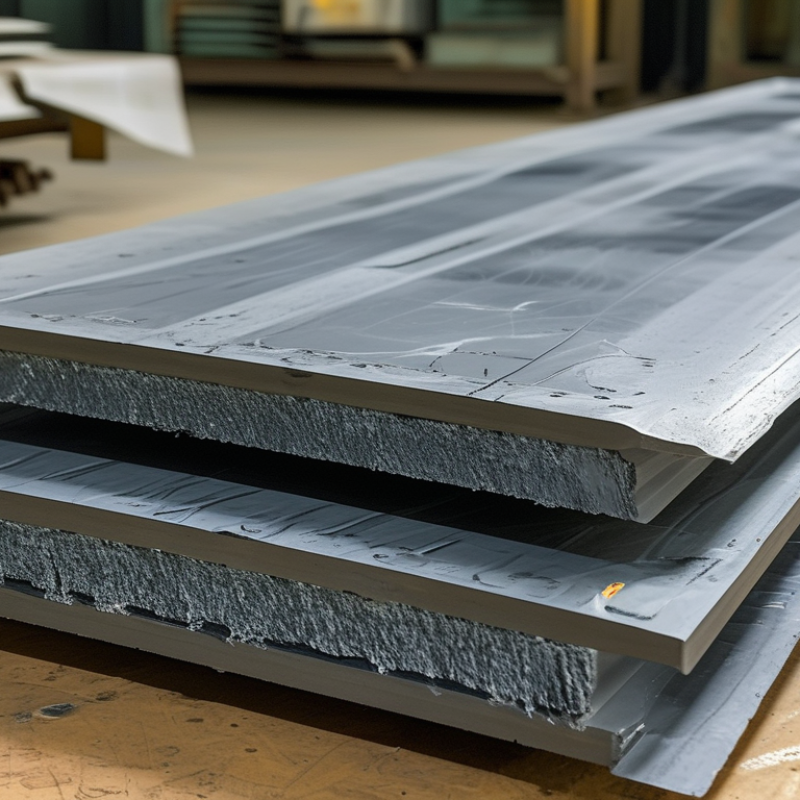
China Top Carbon Graphite Sheet Manufacturer and Supplier
Carbon Graphite Sheet: Definition, Structure, and Core Properties
Carbon graphite sheet is a flat material made from graphite-rich carbon, often processed into dense or flexible forms. Its structure contains carbon atoms arranged in layered planes. Strong bonds hold each plane together, while weaker forces connect neighboring layers. This arrangement explains its sliding behavior and excellent in-plane conductivity. It also creates noticeable anisotropy. Performance can change with direction.
In practical material selection, thickness alone is not enough. Density, graphite purity, compressibility, ash content, and surface finish also matter. A dependable technical datasheet should report thermal conductivity, electrical resistance, tensile strength, and service temperature. Flexible graphite sheets can conform to uneven sealing surfaces. Dense sheets offer better dimensional stability. However, neither type is ideal for every application. A common mistake is treating graphite as universally corrosion-proof. Chemicals, oxidation, pressure, and temperature can alter performance. The real condition must be tested.
Tips: Compare measured data under similar test conditions. Check thickness tolerance and recovery after compression. For high-temperature use, assess oxygen exposure carefully. Small pores may affect sealing reliability. It is easy to overlook them. Request samples before approving large quantities, and inspect edges, flatness, and handling damage. A useful review should include both laboratory results and actual working conditions, because neat specifications sometimes hide practical weaknesses.
Graphite sheet is a thin, carbon-based material formed from aligned or compressed graphite layers. Its in-plane thermal conductivity depends strongly on graphite structure, orientation, density, purity, and manufacturing process.
The chart shows representative midpoint values for commonly reported in-plane thermal-conductivity ranges: flexible graphite sheets are typically about 20–200 W/m·K, natural graphite sheets about 150–400 W/m·K, and highly oriented pyrolytic graphite sheets about 700–1,500 W/m·K. Actual performance varies by grade, thickness, orientation, and test method.
Carbon graphite sheets begin with carefully selected carbon feedstock. Flexible grades commonly use high-purity natural graphite flakes, while rigid grades may use petroleum coke, pitch, or graphite powder. Particle size affects density, thermal conductivity, and surface smoothness. Moisture and metallic impurities must be controlled. In practical sourcing, batch records matter because similar-looking graphite can perform differently under heat.
For flexible sheets, graphite flakes are chemically expanded, washed, dried, and compressed into a continuous sheet. The pressure aligns and locks the expanded layers without relying on a heavy binder. Rigid sheets follow a different route. Powders are blended with a measured binder, pressed or molded, and carbonized in a controlled furnace. Graphitization may exceed 2,500°C. Temperature uniformity is critical.
After heat treatment, manufacturers calender, slit, punch, or laminate the material to the required thickness. Typical checks include density, ash content, compression recovery, thermal conductivity, and dimensional tolerance. Micrometers and sample tests reveal problems that visual inspection misses. The process is not flawless. A tiny edge crack can grow during assembly, especially after repeated heating. Reliable teams trace that defect to mixing, pressure, or furnace control, then improve the next batch.
Carbon graphite sheets differ by structure, raw material, and processing method. Flexible graphite sheets use expanded graphite flakes and remain highly conformable. Molded graphite sheets provide greater rigidity for machined parts and thermal fixtures. A composite sheet may add metal foil, fiber, or sealing layers for improved strength. Each type solves a different engineering problem.
Grades often reflect density, purity, compressibility, and temperature resistance. High-purity grades reduce contamination in furnaces and chemical equipment. Dense grades usually offer better dimensional stability. Flexible grades seal uneven surfaces more effectively, especially around flanges and heat exchangers. However, higher density does not always mean better performance. The application decides the priority.
Performance should be checked through measurable data. Important values include thermal conductivity, electrical resistance, tensile strength, recovery, and oxidation behavior. Ask for batch traceability, inspection records, and sample testing before bulk purchasing. A reliable Chinese supplier should explain grade selection clearly and provide consistent production evidence. Small differences in thickness can affect sealing pressure and heat transfer. I have found that datasheets may look convincing, but one test result is not enough. Humidity, surface finish, and installation pressure can change field performance. Testing under actual service conditions is safer. No grade is perfect.
A China-based carbon graphite sheet manufacturer and supplier can support demanding thermal and electrical tasks across industrial and energy sectors. Its layered structure combines flexibility, conductivity, and low weight. In heat management, sheets transfer heat from battery cells, power modules, and compact electronic assemblies. They can be cut to precise shapes for uneven surfaces and narrow installation spaces. Fit matters. Poor contact can reduce performance.
In industrial equipment, graphite sheets serve as gaskets, seals, thermal barriers, and conductive interfaces. They are used around pumps, furnaces, motors, and chemical processing systems when temperature resistance is important. Engineers select thickness, density, compressibility, and surface treatment according to pressure and operating conditions. A reliable supplier should provide batch records, dimensional checks, and material data before shipment. Practical testing remains essential, especially where vibration, cycling, or contamination may occur.
Energy applications include battery packs, fuel-cell components, solar equipment, and power-conversion systems. The sheet may help spread heat or maintain a stable electrical path. However, graphite is not a universal solution. Oxidizing environments, mechanical abrasion, and poor insulation design can limit service life.
Manufacturing experience helps identify these risks early through sample trials and application reviews. Clear drawings, traceable inspection, and honest technical feedback build dependable supply relationships. Some projects need refinement after testing, and that is normal. It is a useful lesson.
Selecting a reliable China-based carbon graphite sheet manufacturer requires more than comparing prices. Start with the material specification. Confirm graphite grade, thickness tolerance, density, ash content, electrical resistance, and operating temperature. A dependable supplier should provide current test reports and explain how each value was measured.
Ask for production evidence, not polished promises. Request samples from normal production, then check surface cracks, edge quality, flexibility, and thickness with your own tools. Review the factory’s equipment, inspection stages, and batch records. If possible, arrange a video audit or an independent factory inspection. Clear communication matters too. Engineers should answer technical questions directly, while sales staff should avoid unsupported claims.
Supply consistency deserves close attention. Ask about raw material sources, monthly capacity, packaging, lead times, and replacement procedures. Carbon graphite sheets can absorb moisture or suffer edge damage during transport, so sealed packaging and rigid protection are practical details. Certifications may help, but they should match the product and market requirements. A document alone proves little.
I once focused too heavily on a low quotation. The sample looked acceptable, but later batches showed uneven thickness. That mistake changed my checklist. Include written tolerances, approval samples, inspection rules, and payment milestones in the purchase agreement. Do not rely on friendly conversations. Test small quantities before committing to regular orders. Suppliers who accept reasonable verification usually inspire more confidence than those demanding immediate volume.