Best Graphite Sheet for Your Needs in 2026?
As the demand for innovative materials grows, the importance of the Graphite Sheet industry becomes clearer. In 2026, market experts like Dr. Emily Carter emphasize, “Graphite Sheets are transforming industries with their unique properties.” These materials offer superior thermal conductivity and electrical performance. However, choosing the right Graphite Sheet can be challenging.
Different applications require distinct qualities. For example, some industries prioritize flexibility, while others focus on thermal stability. Additionally, many products in the market claim to be the best. It often leads customers to make inaccurate assumptions. This situation creates room for confusion.
On the surface, selecting a Graphite Sheet might seem straightforward. However, evaluating the right specifications and supplier reliability is critical. The industry is evolving rapidly, and choices are increasing. It is vital to approach this topic with a discerning attitude to make informed decisions.
Understanding Graphite Sheets: Types and Specifications
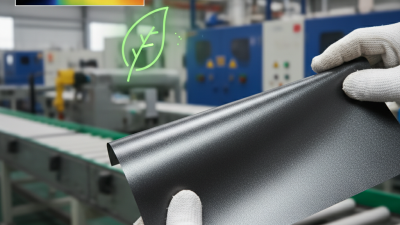
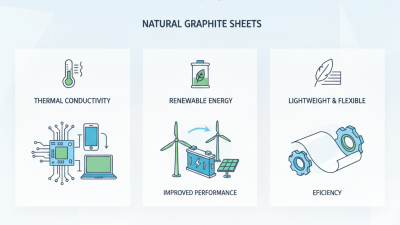
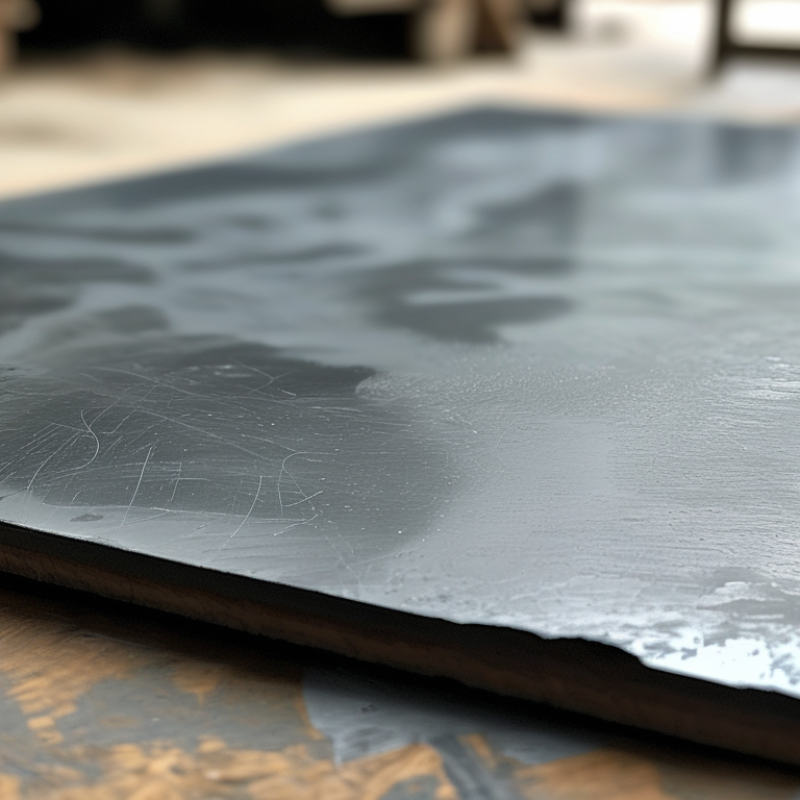
Graphite sheets are essential in various industries due to their unique properties. They possess excellent thermal conductivity, which makes them ideal for heat management applications. Additionally, their flexibility allows for easy adaptation to different shapes and sizes. Understanding the types and specifications of graphite sheets can help in selecting the best one for your needs.
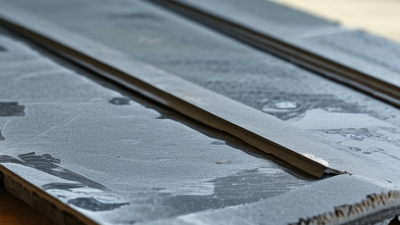
There are several types of graphite sheets available. Flexible graphite sheets are popular for their compressibility and resilience. Rigid graphite sheets, on the other hand, provide structural support. Understanding the specifications, such as thickness and thermal resistance, is crucial. For instance, thicker sheets often provide better thermal insulation. However, they may not always be the best choice for every application.
The right graphite sheet can significantly impact performance. Choosing the wrong type can lead to inefficiencies. It's essential to consider the specific requirements of your project. Consult technical experts when uncertain. They can provide insights based on experience and knowledge. This reflection is vital in making informed decisions for optimal performance.
Best Graphite Sheet for Your Needs in 2026
| Type |
Thickness (mm) |
Thermal Conductivity (W/m·K) |
Electrical Conductivity (S/m) |
Applications |
Price Range ($) |
| Flexible Graphite Sheet |
0.5 |
450 |
7,000 |
Gaskets, Heat Shields |
20 - 50 |
| Natural Graphite Sheet |
1.0 |
400 |
5,500 |
Heat Exchangers, Sealing |
25 - 60 |
| Artificial Graphite Sheet |
2.0 |
500 |
8,000 |
Battery Components, Electronics |
30 - 70 |
| Graphene-Enhanced Sheet |
0.3 |
600 |
10,000 |
Thermal Interfaces, Conductive Pads |
40 - 90 |
Key Factors to Consider When Choosing a Graphite Sheet
When selecting a graphite sheet, several key factors come into play. First, consider the thickness of the sheet. Thicker sheets often provide better thermal conductivity and durability. However, they may be less flexible. If your application requires bending or shaping, a thinner sheet might be more appropriate. Understanding your specific needs helps guide this choice effectively.
Another essential aspect is the purity of the graphite. High-purity graphite sheets are often more efficient in thermal management applications. They minimize impurities that can affect performance. Evaluating the source of the graphite and how it was processed can shed light on its quality. Additionally, the method of production influences both performance and cost.
Don't overlook the limitations of each type of sheet. Some may perform well at high temperatures but struggle with electrical conductivity. Others offer excellent flexibility but may not withstand extreme conditions. Reflect on your requirements. Assess each option carefully to find the right balance between performance and practicality in your specific context.
Top Graphite Sheet Brands and Their Features in 2026
In 2026, you'll find various graphite sheet brands tailored to diverse needs. These sheets are staple materials in many industries, thanks to their properties. High thermal conductivity makes them ideal for electronics. Their resilience to extreme temperatures enhances durability, especially in mechanical applications.
When selecting a graphite sheet, consider thickness and purity. Thicker sheets provide better thermal management but may lack flexibility. You might need to balance heat resistance with ease of installation. Pay attention to material specifications to ensure they fit your projects.
Tips: Always check certifications for quality assurance. Research manufacturer expertise before making a purchase. Look for user reviews to understand real-world performance. Choosing the right graphite sheet requires careful consideration; don't rush this important decision.
Environmental Impact and Safety Considerations for Graphite Sheets
When considering graphite sheets, the environmental impact is crucial. These materials are often hailed for their thermal conductivity and durability. However, the process of extraction and manufacturing can lead to significant environmental challenges. Mining graphite can disrupt local ecosystems. It can cause soil degradation and water contamination. Ensuring that sourcing is sustainable is vital.
Safety considerations should also be taken into account. Although graphite is generally safe to handle, some forms may produce harmful dust. Proper precautions should be taken during its use and processing. Wearing protective gear can help mitigate risk. Additionally, workplaces must ensure adequate ventilation to avoid inhalation exposure.
In 2026, awareness of these issues will likely increase. Consumers are becoming more informed about the materials they use. They might prioritize options that demonstrate a commitment to environmental responsibility. The challenge lies in finding balance—effective performance versus ecological impact. Sustainable practices in graphite production will not only benefit the planet but also enhance product reliability.
Best Graphite Sheet for Your Needs in 2026
This bar chart displays key properties of graphite sheets, including thermal conductivity, electrical conductivity, and density, along with safety and environmental impact ratings. These factors are critical to consider when selecting the best graphite sheet for your needs in 2026.
Future Trends in Graphite Sheet Technology and Applications
As we look towards 2026, the landscape of graphite sheet technology is evolving rapidly. With advancements in materials science, the functionality of graphite sheets is expanding. Recent industry reports project a 15% annual growth in the demand for graphite sheets, driven by applications in electronics and automotive industries. This demand reflects the increasing need for heat-dissipating solutions in compact devices.
New manufacturing techniques, including enhanced layering and composite formulations, are set to improve the performance and durability of these sheets. For instance, innovative coatings can enhance thermal conductivity while reducing weight. These developments provide better thermal management in high-performance applications. However, challenges remain in ensuring consistent quality across production batches. This requires ongoing research and quality assurance practices.
**Tip:** When selecting a graphite sheet, consider its thermal conductivity rating and thickness. These factors significantly impact performance in specific applications.
As companies strive for sustainability, recycled graphite materials are gaining traction. This shift may reshape market dynamics by offering eco-friendly alternatives. Yet, the availability of quality recycled materials needs ongoing assessment. Balancing performance and environmental concerns is crucial for future innovations.