Top 10 Graphite Thermal Film Suppliers Worldwide

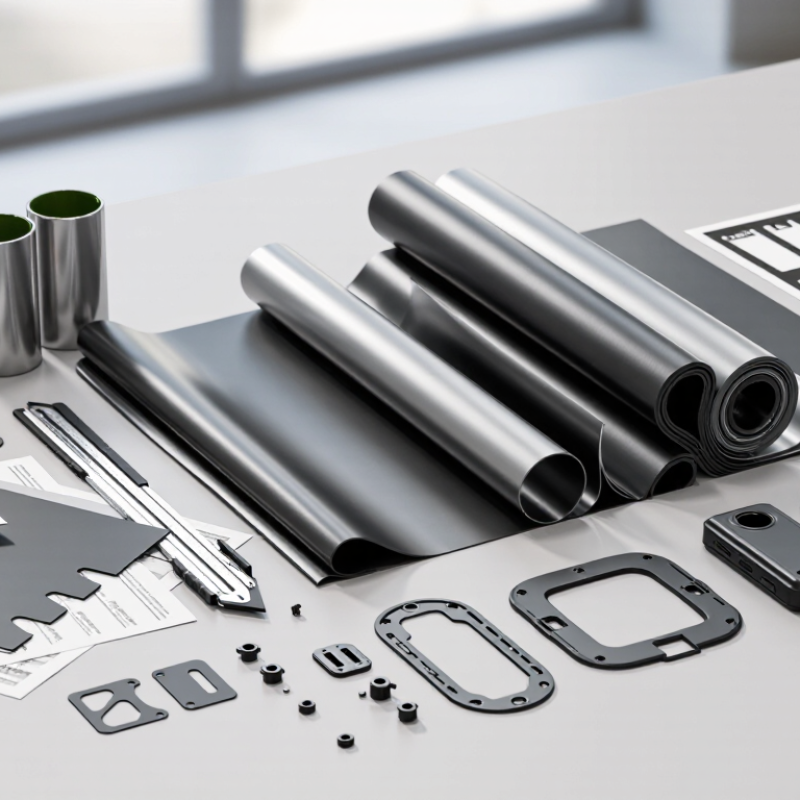
Graphite Thermal Film helps spread heat across compact electronic devices where space for conventional heat sinks is limited. Its thin profile suits phones, laptops, LED assemblies, and other products with tightly packed components. The material moves heat along its plane, but performance depends on the design and installation. Small details matter.

This guide introduces ten suppliers serving markets worldwide and outlines factors buyers can compare. These include film thickness, sheet size, adhesive options, die-cutting services, and the availability of technical data. A clean, accurately cut sample can reveal practical issues that a product sheet may not show. So can checking how the film fits around ports, screws, and uneven surfaces.

No supplier is ideal for every application. A company with broad distribution may not offer the best option for a highly specific design, while a specialist may have longer lead times. Buyers should review current datasheets, request samples, and confirm relevant quality documentation directly with each supplier. Rankings and availability can change. This overview is a starting point, not a substitute for testing under real operating conditions. That distinction is worth keeping in mind as the list compares product range, service, and potential fit for different thermal-management needs.
Top 10 Graphite Thermal Film Suppliers Worldwide

Graphite Thermal Film: Structure, Properties, and Heat-Spreading Function

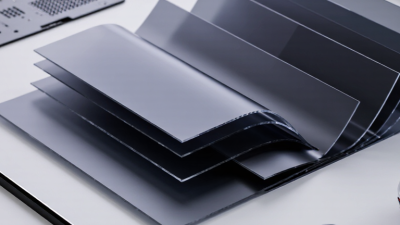
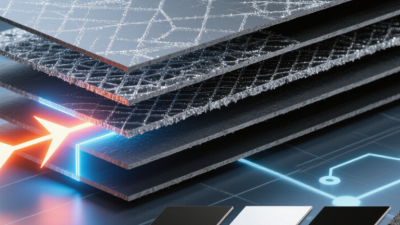
Graphite thermal film is a thin, flexible sheet made from compressed graphite layers, often combined with a supporting film or adhesive. Its stacked structure allows heat to travel quickly along the sheet, while movement through its thickness is much slower. This directional behavior is called anisotropic thermal conductivity. The material may look like plain dark foil, but its layer quality and thickness affect performance. Small details matter.

In electronics, the film spreads heat away from concentrated sources such as processors, LEDs, and battery components. It does not remove heat by itself; it redistributes it across a larger area for nearby surfaces or cooling parts to dissipate. Poor contact, trapped air, or a wrinkled edge can reduce that transfer. A useful specification should reflect the device’s dimensions, operating temperature, and assembly pressure. Real results can differ from datasheet values.

Tips: Keep the contact surface clean and flat, and avoid sharp folds during installation. Check whether the film needs electrical insulation in your design. Compare measured temperatures under consistent conditions, not just advertised conductivity. Testing takes time. I would not assume that a thicker sheet always performs better; the surrounding stack-up matters too.
Industries and Devices That Use Graphite Thermal Films

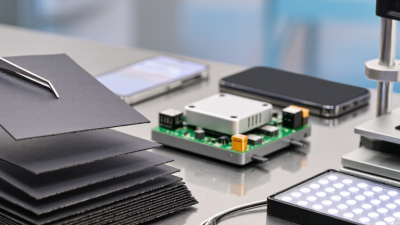
Graphite thermal films are used in devices where heat must spread across a thin, crowded space. In smartphones and tablets, films can distribute heat away from processors and batteries toward larger housing areas. Laptops use them around compact boards, while wearable devices need low-profile materials that fit beneath displays and sensors. The film spreads heat; it does not remove it by itself.

Other applications include automotive display modules, telecom equipment, LED lighting, and some medical electronics. In a vehicle display, for example, a film may help even out hot spots behind the screen during prolonged operation. Designers also consider thickness, flexibility, electrical insulation, and the surrounding materials. Results vary with installation. A small air gap or poor contact can reduce heat transfer, so a promising test may not match real use. That part is easy to underestimate.

Tips: Check thermal conductivity in the direction your design needs, since graphite films often conduct heat differently across and through the sheet. Confirm temperature limits and adhesive compatibility. Ask for test conditions, not just headline figures. Test a sample in the actual device, too. Small changes matter.

Top 10 Graphite Thermal Film Suppliers Worldwide - Industries and Devices That Use Graphite Thermal Films

Supplier-neutral overview of common application markets and design considerations; rows are not a supplier ranking.

No. Industry / device Typical film placement Thermal-management role Key design considerations
1 Smartphones Around the processor, battery area, or other heat-generating components Spreads heat laterally through a thin space-constrained assembly Thickness, cut-outs, adhesive compatibility, and electrical isolation from nearby circuitry
2 Tablets and e-readers Between heat sources and broad internal chassis or rear-cover areas Distributes localized heat across a larger surface area Flexible routing, large-area coverage, and clearance around batteries and antennas
3 Laptop computers Near processors, memory, or other components where thin heat spreading is useful Helps spread heat within compact internal layouts; does not replace a heat sink or fan where required Operating temperature, airflow path, mechanical wear, and compatibility with the cooling system
4 Flat-panel displays and televisions Behind display electronics or near heat-generating driver components Spreads heat over a wider panel or chassis region Panel flatness, optical stack clearance, bonding method, and electrical insulation requirements
5 Wearable devices and smartwatches Around compact boards and components within the device enclosure Provides a thin heat-spreading layer where space is limited Small-format die cutting, skin-contact temperature limits, flexing, and moisture protection
6 Automotive displays and infotainment systems Behind display modules or around electronic control components Spreads heat within dashboard electronics and thin display assemblies Temperature cycling, vibration, long-term adhesion, and applicable automotive qualification requirements
7 LED lighting modules Near LED boards or between heat-generating parts and a suitable heat-spreading structure Redistributes heat from LEDs; effective heat rejection still depends on the full thermal path Interface contact, substrate design, operating temperature, and electrical isolation where needed
8 Telecommunications and networking equipment Within compact radio, router, or networking-device assemblies near heat-generating electronics Spreads local heat across available internal surfaces Electromagnetic design, electrical isolation, enclosure clearances, and ambient operating conditions
9 Digital cameras and compact imaging devices Around image-processing electronics and other heat-producing components Helps spread heat through a compact enclosure Sensor-area temperature limits, precision fit, flexible routing, and avoidance of optical interference
10 Power electronics and control modules In assemblies where a thin lateral heat spreader complements the primary cooling structure Distributes heat within the module; it is not a substitute for thermal interfaces or heat sinks where those are required Electrical conductivity of graphite, insulation needs, temperature rating, and system-level thermal validation

Note: Graphite thermal films are typically anisotropic heat spreaders, so performance depends on film grade, orientation, thickness, contact quality, and the complete device thermal design.

Criteria for Evaluating Graphite Thermal Film Suppliers

A reliable graphite thermal film supplier should provide more than a headline conductivity figure. Ask for test methods, sample direction, film thickness, and measurement conditions. Graphite conducts heat differently along and across its layers, so one number can hide important limits. Request a datasheet that matches the grade being quoted, not a generic product family.

Check the physical details against your design. Confirm thickness tolerance, sheet size, surface condition, and whether adhesive or insulating layers are included. A film that looks uniform on a bench may wrinkle around a tight bend or lift near a warm component. Ask for samples and test them in the actual assembly. Small details matter. Also review batch inspection records and how the supplier handles out-of-spec material. A polished certificate is useful, but it does not replace traceable test results.

Assess consistency and communication, not just price. Can the supplier explain lead times, minimum order quantities, packaging, and changes between production lots? Request evidence of quality controls and clear answers about storage and handling. Be cautious when claims lack test conditions or when sample performance differs from production data. Some requirements may be overlooked during early sourcing; revisiting them later can be costly. A practical comparison table helps keep technical and commercial criteria visible.

Profiles of Ten Major Graphite Thermal Film Suppliers Worldwide

These ten supplier profiles are capability snapshots, not a verified ranking. They cover integrated natural-graphite processors, synthetic-graphite film makers, high-purity graphite converters, roll-to-roll coaters, precision die-cutters, adhesive laminators, electronics material specialists, battery-pack thermal suppliers, regional export converters, and custom engineering shops. Each serves different needs. Compare film thickness, in-plane thermal conductivity, adhesive performance, and dimensional tolerance. A thin sheet that curls under heat can complicate assembly.

The USGS Mineral Commodity Summaries 2024 estimated global natural graphite mine production at 1.6 million metric tons in 2023. The International Energy Agency’s Global Critical Minerals Outlook 2024 also highlights graphite supply concentration as a resilience concern. These reports describe upstream materials, not finished film capacity. Buyers should therefore verify a supplier’s own test methods, production scale, and lot traceability. A polished datasheet is not proof.

Tips: Request samples from shortlisted suppliers. Test them in your actual enclosure, with the same pressure and heat cycle. Check conductivity in-plane; through-plane results are not interchangeable. Small details matter.

Comparing Supplier Capabilities, Product Ranges, and Global Reach

Graphite thermal film suppliers vary in manufacturing depth, technical support, and ability to serve distant markets. A useful comparison starts with production control: ask whether the supplier converts graphite rolls in-house or relies on outside processors. In-house slitting and lamination can support tighter thickness tolerances and custom die-cut shapes. Small details matter. A 0.1-millimeter difference may affect contact with a heat source.

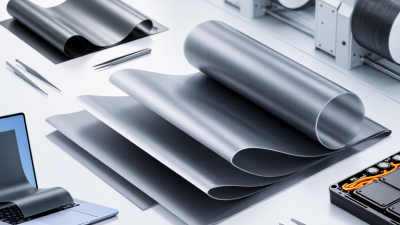
Product ranges also reveal how well a supplier can handle different designs. Some offer flexible graphite sheets in several thicknesses, adhesive-backed films, and laminated constructions. Others focus on a narrower set of standard grades. Request data on thermal conductivity, density, thickness variation, and operating conditions. Then check whether figures describe the finished film or only its graphite core. That distinction is easy to miss. Sample testing remains important, especially when the film must fit a compact enclosure or curved surface.

Global reach is more than a list of shipping destinations. Compare regional inventory, typical lead times, export packaging, and the availability of technical staff across time zones. A supplier with broad reach may still have uneven support in a particular region. Ask for a recent sample shipment schedule and confirm how changes in order volume affect delivery. Catalogs can look reassuring; actual service records are less tidy, and sometimes that gap deserves a closer look.