China Top 10 Thermal Graphite Film Manufacturers?
Thermal Graphite Film helps spread heat across compact electronic devices, including smartphones, tablets, displays, and battery systems. Its thin profile can make it useful where metal heat spreaders add too much weight or thickness. But performance depends on more than a headline conductivity figure. Film thickness, in-plane heat spreading, surface condition, adhesive choice, and assembly pressure can all affect results. Details matter.
This guide introduces ten China-based manufacturers and suppliers for buyers comparing potential partners. The selection should be treated as a starting point, not a fixed ranking: company capabilities, product lines, and export experience can change. Some businesses manufacture film directly; others may convert, laminate, or distribute material. That distinction is easy to miss—and worth checking. Buyers can review technical datasheets, request samples, and test parts in their own device structures before making a decision. A useful comparison also considers customization options, quality-control practices, production capacity, and communication during sampling. Ask how reported thermal values were measured, and under what conditions. Numbers without test context can mislead.
The right supplier is not always the one with the broadest catalog or lowest quote. Fit matters more. This overview aims to help readers ask clearer questions and shortlist companies with relevant experience. Independent verification remains important, especially when specifications will guide a product design. Some details may still be uncertain; that is a reason to investigate, not to assume.
What Thermal Graphite Film Is and How It Works
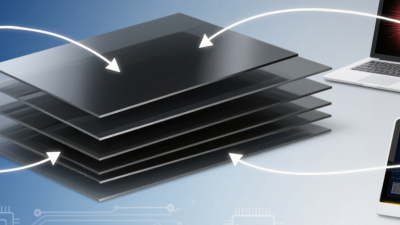
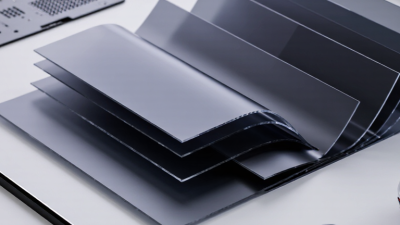
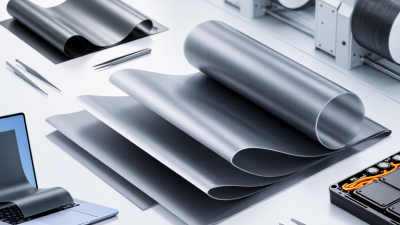
Thermal graphite film is a thin, flexible sheet made from graphite layers that conduct heat efficiently across the surface. It does not create cold or remove heat by itself. Instead, it spreads a concentrated hot spot over a wider area. Imagine a phone processor warming one small patch beneath its cover. A nearby graphite layer can carry heat sideways toward more of the chassis. This may reduce sharp temperature differences. Not magic. Just heat spreading.
Graphite film conducts heat much better along its plane than through its thickness, so orientation and placement matter. It is often fitted between compact components and an enclosure, where close contact helps form a useful thermal path. Air gaps, wrinkles, or a poorly fitted cutout can reduce its effectiveness. An adhesive layer may keep the film in place, but it can also add thermal resistance. Designers need to consider the full stack, including pressure, electrical insulation, and nearby components. Small details count. Testing the assembled device is more informative than relying on a material data sheet alone, though even careful measurements may not capture every real-world use condition.
Key Properties and Common Applications of Thermal Graphite Film
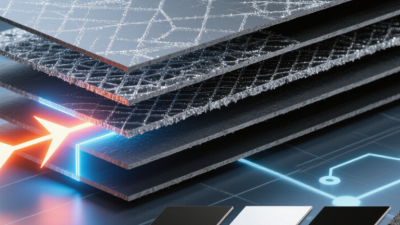
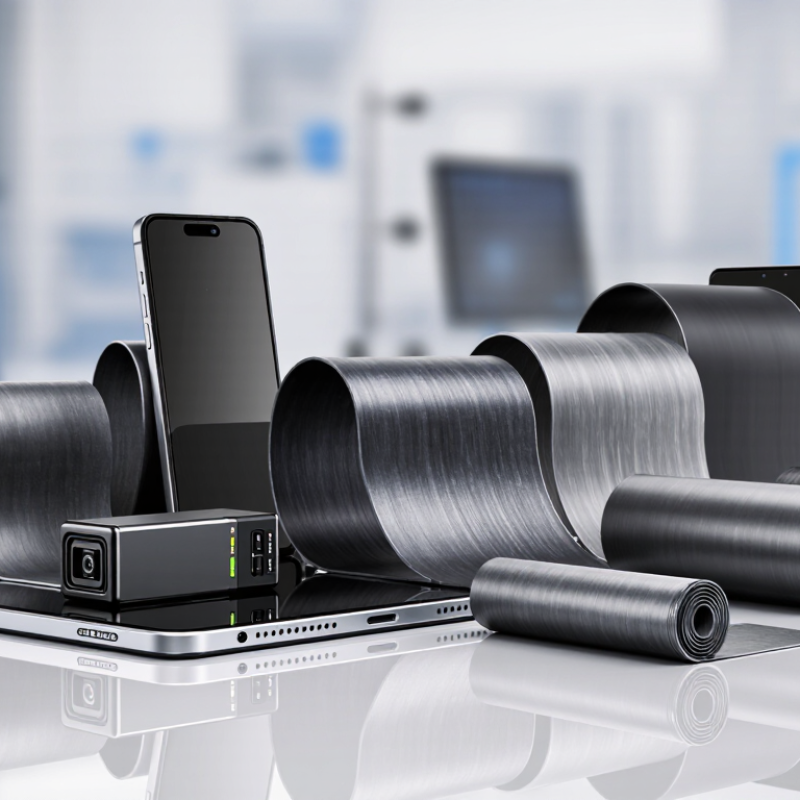
Thermal graphite film is a thin sheet designed to spread heat across a surface. Its thermal conductivity is typically much higher along the sheet than through its thickness. This anisotropic behavior helps move heat away from concentrated hot spots. The film is lightweight and can fit into narrow spaces inside phones, tablets, laptops, and compact LED assemblies. It does not generate cooling by itself. It redistributes heat to a larger area, where the device structure can release it. Not magic. It also conducts electricity, so nearby circuits may need insulation.
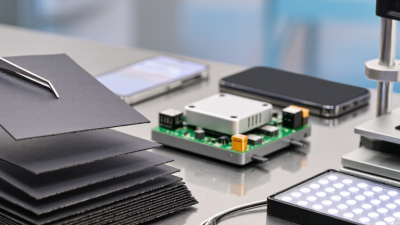
In practical designs, engineers check film thickness, shape, bonding method, and contact pressure. A poorly fitted sheet can leave air gaps and reduce heat transfer. The material is flexible, but thin sheets may crease or tear during handling. Applications include heat spreading around processors, batteries, display modules, and other heat-sensitive electronics. Performance depends on the full assembly, not just the film’s published conductivity. Testing under realistic operating conditions matters.
Tips: Keep the film flat and clean during installation. Confirm electrical clearance, then test temperatures at several points. A small edge lift can matter.
How Thermal Graphite Film Is Manufactured and Evaluated
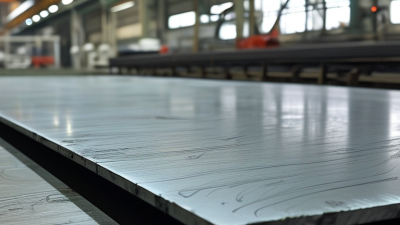
Thermal graphite film is commonly made from graphite that has been expanded and compressed into thin sheets. In some processes, graphite is intercalated and rapidly heated, causing it to expand into a soft, porous structure. Roll pressing then reduces the material to a uniform film. Careful control matters. Too much pressure can change its thickness and flexibility.
Manufacturers inspect each sheet for thickness, density, surface defects, and dimensional consistency. A small wrinkle or tear can affect contact with a heat source. Thermal performance is often assessed by measuring heat flow along the sheet and through its thickness. Graphite conducts heat unevenly: it usually spreads heat much better across the plane than through the film. That distinction matters in device design.
Evaluation should also consider the finished assembly, not just a laboratory sample. Adhesive layers, surface roughness, and mounting pressure can alter thermal contact. Tests may use controlled heating and temperature sensors, with repeat measurements across several locations. Testing is imperfect. A neat result in one fixture may not predict performance inside a compact electronic device, where airflow and neighboring materials also matter.
China’s Top 10 Thermal Graphite Film Manufacturers
China’s Top 10 Thermal Graphite Film Manufacturers
China’s thermal graphite film sector serves electronics, LED lighting, electric vehicles, and other heat-sensitive applications. Manufacturers can differ in film thickness, thermal conductivity, flexibility, and roll-to-roll consistency. Grand View Research valued the global thermal interface materials market at USD 3.4 billion in 2023. It forecast 9.6% annual growth from 2024 to 2030. This broader market includes multiple material types, so the figures should not be read as graphite-film sales alone.
When comparing ten Chinese manufacturers, request third-party test reports and check whether conductivity values are in-plane or through-plane. They describe different heat paths. Also examine thickness tolerance, adhesive compatibility, and performance after repeated bending. A neat sample is not enough. Ask for batch records and application-specific data, such as temperature readings from a real device. Public industry reports rarely rank Chinese film producers by verified output or quality; treat online “top ten” lists as starting points, not audited rankings. That distinction is easy to miss.
Tips: Compare like with like. Confirm the test method, sample thickness, and measurement direction before judging quoted specifications.
How to Choose a Thermal Graphite Film Manufacturer in China
Choosing a thermal graphite film manufacturer in China starts with the actual heat path in your device. Graphite film conducts heat strongly along its plane, but performance through its thickness can differ sharply. Ask for test data that identifies direction, film thickness, and measurement conditions. Compare thermal resistance, not only headline conductivity. Small details matter. Request the thickness tolerance, density range, and available adhesive options in writing.
Ask how production consistency is checked across batches. A reliable supplier should explain incoming-material inspection, process controls, and lot traceability, then provide relevant reports. Ask for a sample converted to your real dimensions, including any cutouts or adhesive layers. Test it in your own assembly: contact pressure, surface flatness, and neighboring materials can change measured results. Ask for evidence. Do not guess.
Communication is part of the evaluation. Send a clear drawing and operating-temperature range, then see whether the technical team asks useful questions or simply promises a quick match. Confirm lead times, minimum order quantities, packaging, and how changes to specifications are documented. A polished data sheet is helpful, but it cannot replace a repeatable trial. I would also question my own first choice if the sample performs well once but varies between batches; that concern is easy to overlook.