What is Graphite Sheet and Its Applications in Industry?
Graphite Sheets are becoming essential in various industrial applications. According to Dr. Emily Chen, a leading expert in materials science, "Graphite Sheets offer unique properties that enhance performance across multiple sectors." This statement highlights the versatility of graphite sheets.
In industries ranging from electronics to automotive, graphite sheets play a vital role. Their excellent thermal conductivity and electrical properties make them ideal for heat management. For instance, many electronic devices rely on graphite sheets to dissipate heat effectively, ensuring optimal performance. However, challenges remain in manufacturing processes and cost control.
The growing demand for graphite sheets calls for continuous innovation. Manufacturers must balance quality and affordability. As Dr. Chen pointed out, understanding the material’s limitations is crucial. Companies must focus on sustainable practices and resource optimization. By addressing these issues, the graphite sheet industry can achieve long-term sustainability and success.
What is Graphite Sheet: Definition and Composition
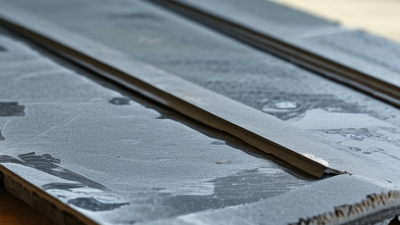
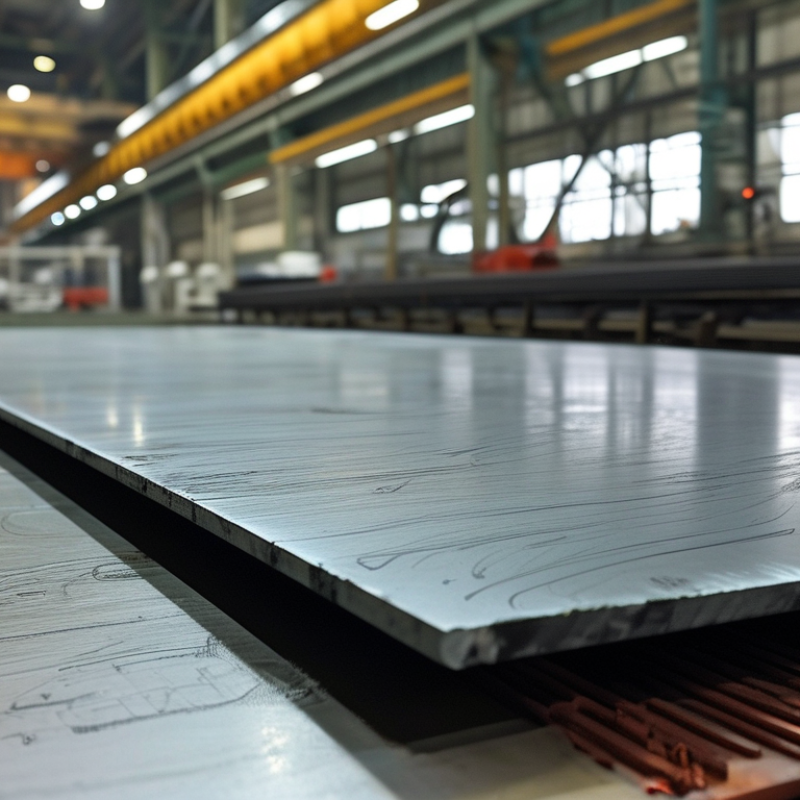
Graphite sheets are thin, flexible materials composed primarily of carbon atoms. Their structure consists of layers of graphene, providing high thermal and electrical conductivity. These sheets are lightweight and exhibit excellent resistance to heat and chemicals. Their unique properties make them suitable for various industrial applications, including electronics, aerospace, and automotive industries.
Tips: When handling graphite sheets, avoid exposing them to excessive moisture. Moisture can impact performance and longevity.
In electronics, graphite sheets serve as thermal interfaces. They dissipate heat effectively from components, enhancing device stability. In aerospace, they are used for insulation and sealing, ensuring safety and efficiency. Interestingly, the manufacturing process can vary, influencing properties like thickness and density. This variability leads to challenges, such as ensuring consistent quality across different batches.
Tips: Always verify the specifications of graphite sheets used in your projects. Differences in quality can yield unexpected results.
While graphite sheets are valuable, they are not without limitations. Their mechanical strength can diminish under high stress. This may require careful consideration in design applications. Furthermore, familiarity with the specific requirements of each industry is crucial for optimal use. Understanding these nuances can lead to more effective solutions.
Properties of Graphite Sheets: Thermal Conductivity and Electrical Conductivity
Graphite sheets are unique materials prized for their outstanding thermal and electrical conductivity. These sheets are made from high-purity graphite, which provides exceptional performance in various industrial applications. When discussing thermal conductivity, graphite sheets excel in dissipating heat. This is critical for electronics and aerospace sectors, where efficient heat management is essential.
Electrical conductivity is another vital property of graphite sheets. They enable efficient energy transfer, making them ideal for use in batteries and fuel cells. The layered structure of graphite allows electrons to move freely, enhancing conductivity. Despite these advantages, one should consider the potential for oxidation when exposed to high temperatures.
Tips: Ensure proper handling of graphite sheets. Protective gloves can prevent skin irritation. Conduct thorough research before choosing materials for specific applications, as variations in quality can impact performance. Always assess the operating environment to confirm suitability.
Key Industrial Applications of Graphite Sheets: Aerospace to Energy Sectors
Graphite sheets are flexible, durable materials that hold significant value in various industrial applications. They are widely used in the aerospace sector, where lightweight materials are crucial. These sheets provide excellent thermal conductivity and can withstand high temperatures. This makes them ideal for components like heat shields and gaskets. Aerospace manufacturers often rely on graphite sheets for their reliability and performance.
In the energy sector, graphite sheets play a key role in power generation and storage. They are commonly found in batteries, fuel cells, and thermal insulation. The electrical conductivity of graphite enhances the efficiency of energy systems. Their use helps in reducing weight and improving thermal management. However, industries face challenges with sourcing and processing high-quality graphite materials, affecting production timelines.
The versatility of graphite sheets extends to electronics as well. They serve as heat spreaders in electronic devices, ensuring optimal performance. Yet, the shift to newer technologies presents hurdles. As industries embrace sustainability, the demand for environmentally friendly production methods grows. This calls for a re-evaluation of traditional practices in graphite sheet manufacturing, leading to potential innovations in the field. The ongoing exploration of graphite sheets underlines their importance across diverse sectors.
Market Trends: Growth Forecast for Graphite Sheet Industry by 2025
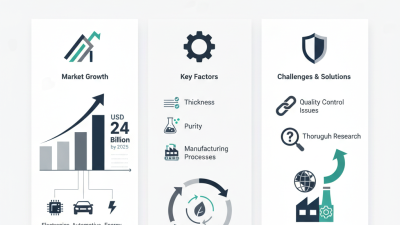
The graphite sheet industry is experiencing significant growth, driven by its numerous applications. In 2021, the global graphite sheet market was valued at approximately $300 million. Experts forecast that by 2025, this number could exceed $500 million. This growth is primarily attributed to the rise in demand from the electronics, automotive, and aerospace sectors.
A report from industry analysts highlights a projected annual growth rate of around 10% during the next few years. This uptick is fueled by the need for efficient thermal management in electronic devices. Graphite sheets offer excellent conductivity and lightweight properties. Yet, challenges remain. Manufacturers must address supply chain vulnerabilities and sourcing issues related to raw materials.
In addition, increasing concerns about environmental impact can influence production practices. Striking the right balance between performance and sustainability is essential. Companies may need to innovate not only in product development but also in responsible sourcing. Developing sustainable processes could redefine the future of graphite sheet applications across various industries.
Challenges and Innovations in Graphite Sheet Manufacturing Processes
Graphite sheets have gained attention in various industries for their unique properties. However, the manufacturing process poses challenges that require innovation. One major challenge is achieving consistent thickness. Variability can affect the performance of graphite sheets in applications such as thermal management and electrical conductivity. Manufacturers often rely on precision cutting techniques, but imperfections still occur.
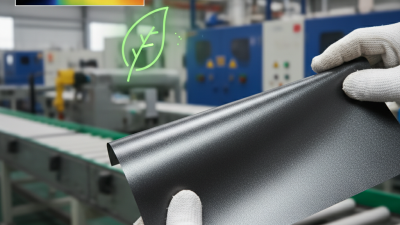
Another hurdle is the sourcing and processing of raw materials. Quality is essential, yet it can be compromised during extraction. This reliance on high-quality graphite complicates production. Innovations in processing methods, such as eco-friendly techniques, are emerging. These methods seek to minimize environmental impact while maintaining performance standards.
Despite advancements, the industry still faces hurdles in scaling production. Many manufacturing facilities aren't fully equipped for increased demand. Inefficiencies can lead to waste and increased costs. Continuous improvement in manufacturing processes is vital. As the applications for graphite sheets expand, addressing these challenges will be crucial for sustainable growth.