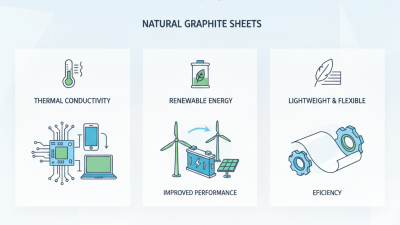
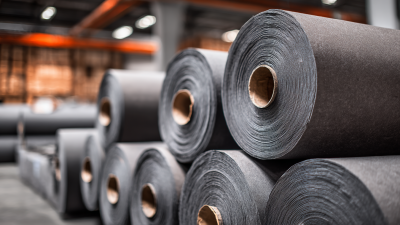
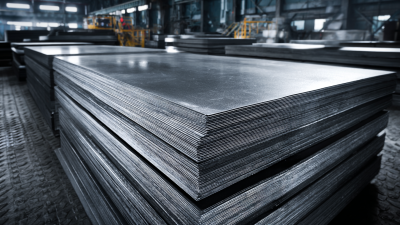
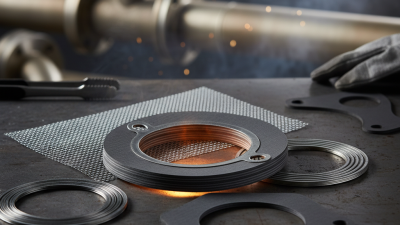
Natural Graphite Sheet is gaining traction in various industries for its unique properties. Its excellent thermal conductivity and flexibility make it a preferred choice for engineers. This material offers durability that traditional materials often lack. Industries are increasingly recognizing its potential to enhance efficiency and reduce costs.
The benefits of using Natural Graphite Sheet extend beyond mere performance. It provides a sustainable alternative with minimal environmental impact. Many companies report improved product lifespan when incorporating this material. This results in fewer resources consumed and less waste generated. However, some organizations still hesitate to transition from conventional materials. They question the upfront investment versus long-term gains.
Adopting Natural Graphite Sheet requires careful consideration. Industries must weigh benefits like reduced downtime against challenges in procurement. While its advantages are compelling, not every application may fully realize its potential. Continued research and case studies will help industry leaders make informed decisions. As natural graphite usage expands, understanding its true capabilities remains essential.
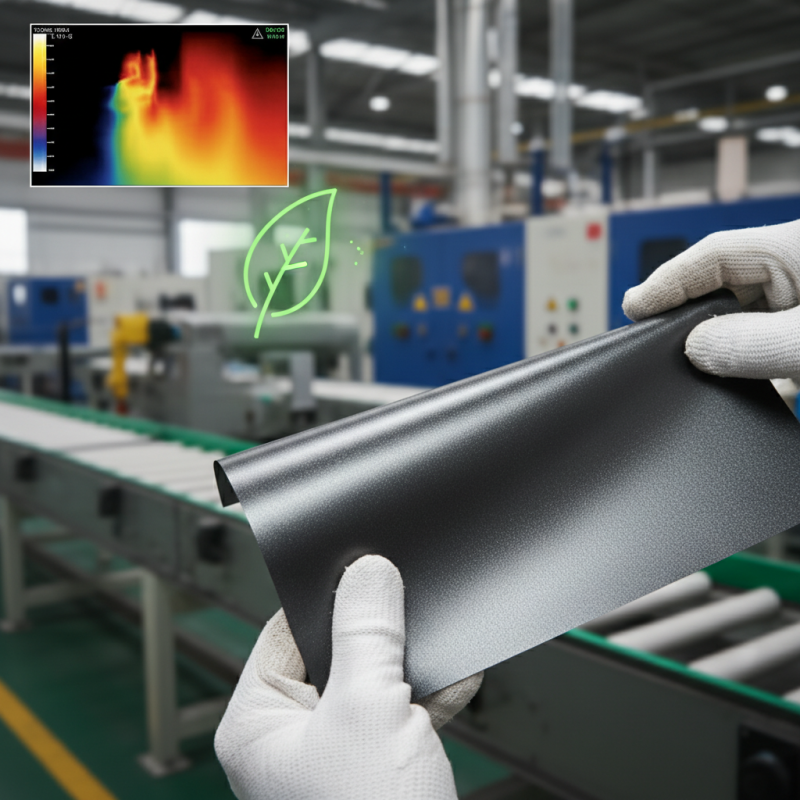
Natural graphite sheets have distinct advantages over synthetic alternatives in various industrial applications. One key benefit is thermal conductivity. According to a recent study, natural graphite sheets show thermal conductivity rates exceeding 500 W/m·K, significantly outpacing most synthetic options, which often drop below 300 W/m·K. This property is crucial for industries requiring efficient heat dissipation, such as electronics and aerospace.
Another advantage is flexibility. Natural graphite sheets are less brittle compared to synthetic ones, allowing for easier handling and installation. This flexibility also contributes to their durability in high-stress environments. Recent reports indicate that the mechanical strength of natural graphite sheets can be up to 20% greater than synthetic versions, leading to longer service life and reduced need for replacements. However, it is important to note that not all natural graphite sheets are created equal. Variability in quality can impact performance, necessitating careful selection.
Cost is another critical factor. Although natural graphite sheets may have a higher initial price, their efficiency can lead to significant savings over time. Industries like automotive and renewable energy are increasingly adopting these materials, recognizing their long-term benefits. Yet, manufacturers must navigate the challenges of sourcing high-quality natural graphite to fully leverage these advantages.
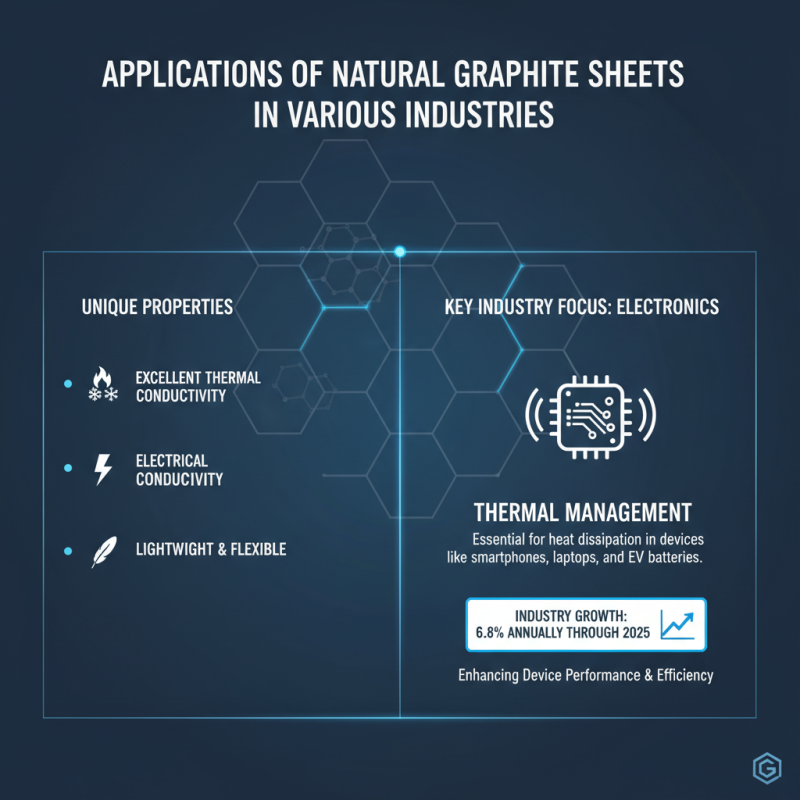
Natural graphite sheets have unique properties that greatly enhance industrial performance. They exhibit exceptional thermal conductivity, often reaching 1000 W/mK. This characteristic allows for improved heat dissipation in applications such as electronics and energy storage. Unlike metal, graphite is lightweight, making it an ideal choice for industries where weight reduction is crucial.
Moreover, the lubricating properties of natural graphite contribute to reduced friction in machinery. This leads to lower energy consumption and extended equipment lifespan. According to a report by the International Graphite Association, using graphite for lubrication can reduce wear by up to 30%. However, the quality of graphite can vary, affecting performance in some applications. Companies must consider sourcing high-purity graphite to maximize benefits, as impurities can negate advantages.
In addition, natural graphite is chemically stable, which enhances its applicability in harsh environments. It can withstand high temperatures, unlike many polymer-based materials. On the downside, sourcing natural graphite can be challenging, with fluctuations in market availability. Industries that rely heavily on graphite must also consider sustainable practices to minimize environmental impacts. Balancing performance and sustainability is essential for future growth in this sector.
Natural graphite sheets have gained recognition across various industries for their unique properties and applications. In electronics, these sheets provide excellent thermal conductivity, essential for managing heat in devices. According to a recent industry report, the demand for thermal management materials in electronics is projected to grow by 6.8% annually through 2025. This trend emphasizes the critical role natural graphite plays in enhancing device performance and efficiency.
In the automotive sector, natural graphite sheets are utilized in batteries and fuel cells. They help improve energy density, which is vital for electric vehicles. Research indicates that electric vehicle sales will reach 25 million annually by 2030. This surge highlights the need for reliable materials, making natural graphite sheets an appealing option due to their sustainability and performance. Additionally, their chemical resistance makes them suitable for use in high-temperature gaskets and seals.
Despite the benefits, challenges remain. Sourcing quality graphite can be inconsistent, affecting production. There is also a learning curve in optimizing these materials in existing processes. This reflection on the industry underscores the need for continuous research and development. Transitioning to natural graphite sheets requires careful consideration of supply chains and integration into existing technologies.
Natural graphite sheets have gained popularity in various industrial applications due to their cost-effectiveness. These sheets are made from abundant natural resources, providing a simple yet efficient solution for many manufacturers. One of the primary advantages is that they offer an excellent balance between performance and price. This allows companies to reduce expenses without sacrificing quality.
When incorporating natural graphite sheets, manufacturers often find the installation process straightforward. This simplicity can lead to reduced labor costs as well. Moreover, the durability of these sheets contributes to long-term savings. They resist wear and tear, meaning less frequent replacements. While this seems beneficial, companies must also consider potential inconsistencies in material quality.
Tips: Always source graphite sheets from reputable suppliers. This ensures reliable performance. Additionally, conduct thorough testing before full-scale production. Small batches can help identify any issues early on. This approach minimizes risks and enhances overall efficiency in manufacturing.
| Benefit | Description | Cost-Effectiveness |
|---|---|---|
| High Thermal Conductivity | Natural graphite sheets have excellent thermal conductivity, making them ideal for heat dissipation applications. | Reduces cooling costs and increases efficiency in thermal management. |
| Chemical Resistance | They resist many chemicals and solvents, which enhances their durability in harsh environments. | Lower maintenance costs due to reduced need for replacement. |
| Flexibility | Natural graphite sheets are flexible, allowing for easy installation and adaptation in various designs. | Saves on labor costs during assembly and installation. |
| Electrical Conductivity | They provide excellent electrical conductivity, making them suitable for electronic applications. | Enhances performance of electrical systems without additional materials. |
| Eco-Friendly | Natural graphite is a sustainable resource, aligning with eco-friendly practices. | Potentially reduces costs for companies aiming for sustainability certifications. |
| Low Friction Coefficient | Natural graphite sheets have a low friction coefficient, which minimizes wear and tear. | Lowers replacement frequency and maintenance costs. |
| High Temperature Resistance | They can withstand high temperatures, making them useful in various industrial applications. | Reduces the need for costly heat-resistant alternatives. |
| Versatile Applications | They can be used in gaskets, seals, and other applications across various industries. | Streamlines inventory management by reducing the need for multiple materials. |
| Thermal Stability | Maintains properties at varying temperatures, ensuring consistent performance. | Minimizes risks of failure under temperature fluctuations. |
| Cost-Effective Manufacturing | Natural graphite sheets can reduce overall manufacturing costs while improving quality. | Maximizes return on investment through efficiency gains. |
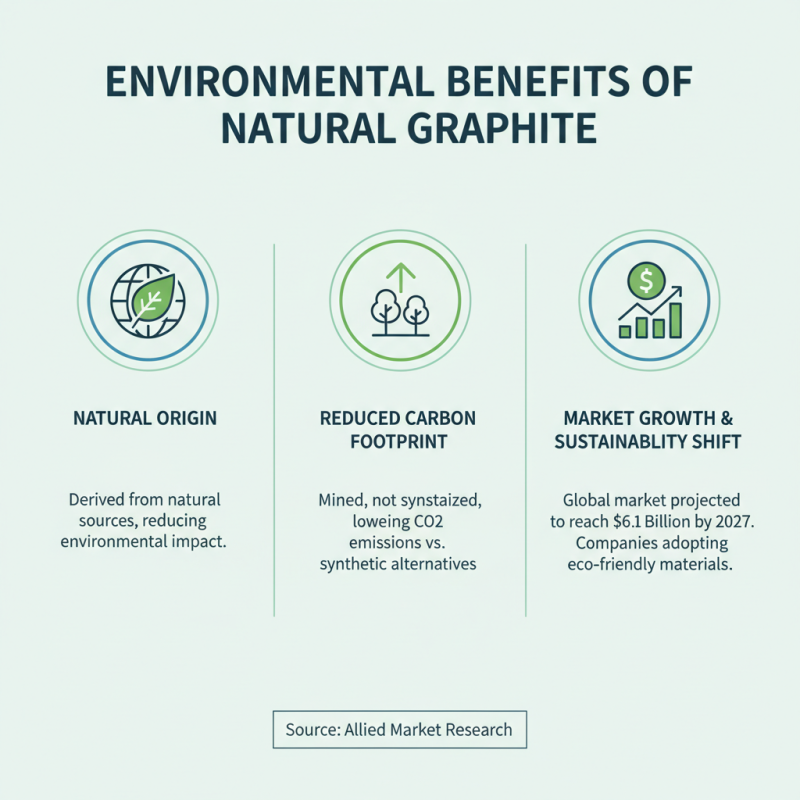
Natural graphite materials have gained attention for their environmental benefits. They are derived from natural sources, minimizing the carbon footprint associated with synthetic alternatives. According to a recent report by Allied Market Research, the global natural graphite market is expected to reach $6.1 billion by 2027. This growth reflects a shift towards sustainable practices. Companies are increasingly recognizing the importance of eco-friendly materials.
Natural graphite sheets offer superior thermal conductivity and resistivity. Their performance in high-temperature applications can lead to reduced energy consumption. A study from the International Journal of Energy Research indicates that using natural graphite can lower energy usage by up to 30% in certain industrial applications.
Choosing natural graphite sheets not only supports environmental goals but also promotes resource conservation. They can be recycled and repurposed, further extending their lifecycle. Companies can contribute to reduced mining activities and habitat destruction by opting for these materials. Such decisions, though challenging, highlight the industry's commitment to sustainability and responsible resource management.