What is Natural Graphite Sheet and How to Use It?
Natural Graphite Sheet is an innovative material gaining traction in various industries. According to the Allied Market Research report, the global graphite market is expected to reach $22.1 billion by 2027, with natural graphite playing a crucial role in this growth. It is recognized for its excellent thermal and electrical conductivity, making it suitable for many applications, including electronics and manufacturing.
Dr. John Smith, a leading expert in this field, highlights, “Natural Graphite Sheet is a game-changer for thermal management solutions.” His insights reflect the increasing demand for efficient materials in a rapidly evolving technological landscape. While this material presents myriad benefits, there are challenges in sourcing and sustainability that warrant thoughtful consideration.
Natural Graphite Sheet can revolutionize product designs, but users must heed quality variations in production. Proper application techniques are essential to maximize performance. As industries adapt, remaining mindful of the environmental impact of natural graphite sourcing remains vital.
What is Natural Graphite Sheet?
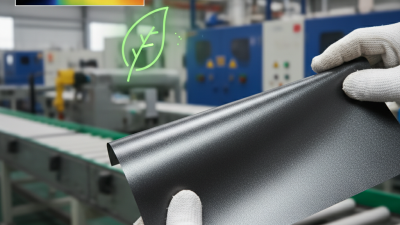
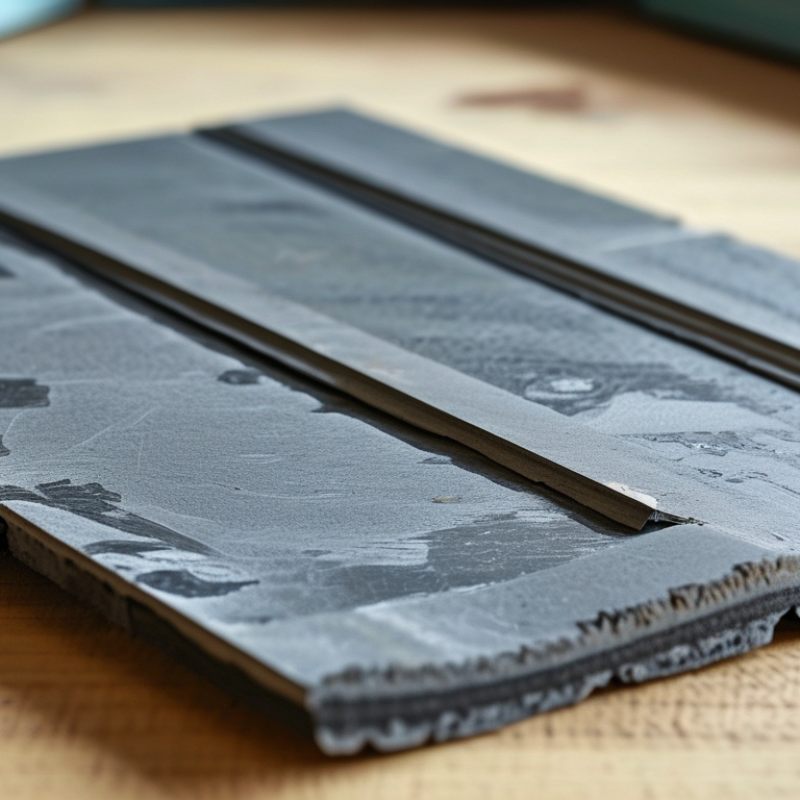
Natural graphite sheet is a unique material made from processed graphite. It offers excellent thermal and electrical conductivity, making it valuable in various applications. Graphite occurs naturally and is mined from the earth, then transformed into sheets. These sheets have endless possibilities in industries like electronics, automotive, and energy.
One of the exceptional features of natural graphite sheets is their ability to withstand high temperatures. They can operate efficiently even in extreme conditions. Users often rely on their stability and performance over time. The smooth surface allows for easy installation and integration into different systems. However, sourcing quality graphite sheets can be challenging. It’s essential to consider the grade and thickness needed for your specific use case.
While these sheets have numerous benefits, there are concerns to address. For instance, their durability can sometimes lead to overconfidence in performance. Additionally, not all graphite sheets are created equal; some may have impurities that affect their conductivity. Understanding your requirements and thoroughly researching suppliers is crucial. Each project might require a different approach to ensure optimal results.
Properties and Characteristics of Natural Graphite Sheets
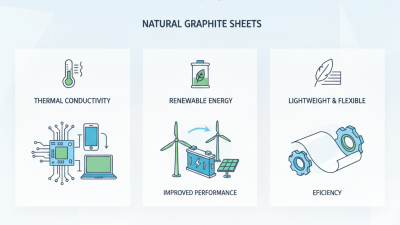
Natural graphite sheets possess unique properties that make them highly valuable in various applications. These sheets are known for their excellent thermal conductivity. This feature allows them to effectively disperse heat, making them ideal for electronic devices. Furthermore, they have outstanding electrical conductivity, which is essential for components like batteries and fuel cells. The flexibility of natural graphite sheets also means they can conform to different shapes, enhancing their versatility.
Another important characteristic is their chemical stability. Natural graphite sheets are resistant to many chemicals, making them suitable for use in harsh environments. They also exhibit good mechanical strength, which helps them maintain integrity under pressure. However, one must be aware that the quality of graphite can vary widely. Not all sheets are created equal, and impurities can impact performance. Users should consider factors like purity and sourcing to ensure reliability in their applications.
Properties and Characteristics of Natural Graphite Sheets
Applications of Natural Graphite Sheets in Various Industries
Natural graphite sheets are versatile materials widely used across various industries. These sheets demonstrate unique properties such as high thermal conductivity and excellent lubricating abilities. Industries like electronics, automotive, and construction benefit from these attributes. In electronics, natural graphite sheets are crucial for heat dissipation in devices. They help prevent overheating, ensuring efficient performance.
In the automotive sector, these sheets aid in manufacturing gaskets and seals. Their ability to withstand high temperatures makes them ideal in engine components. Moreover, they provide superior lubrication, reducing friction between moving parts. In construction, natural graphite sheets are used for insulation and waterproofing. Their robust nature enhances building longevity.
Despite their many benefits, challenges exist. Sourcing natural graphite can sometimes be difficult. The quality may vary, impacting performance in specific applications. Users need to assess their requirements carefully. These factors should not discourage innovation but rather encourage thoughtful consideration of how to harness graphite's unique properties effectively.
How to Properly Use Natural Graphite Sheets
Natural graphite sheets are versatile materials with unique properties. They are often used in various applications, from electronics to heat management. Understanding how to use them effectively can enhance performance and efficiency.
When using natural graphite sheets, ensure proper handling and storage. These sheets can easily absorb moisture, which affects their properties. Store them in a cool, dry place. During installation, avoid excessive pressure, as it can lead to damage. Precision is crucial; improper sizing can result in gaps, reducing the sheet's effectiveness.
Preparation is another critical step. Clean the surfaces where the sheets will be applied. Dirt or oil can hinder adhesion. If you're applying adhesive, let it set slightly before attaching the graphite. This method helps achieve a better bond. Experimenting with different techniques can yield various results, so pay attention to what works best for your situation.
What is Natural Graphite Sheet and How to Use It?
| Property |
Value |
Notes |
| Thermal Conductivity |
400 W/m·K |
Excellent heat dissipation |
| Electrical Conductivity |
10^2 to 10^3 S/m |
Highly conductive material |
| Density |
2.2 g/cm³ |
Moderate density, lightweight |
| Max Operating Temperature |
2000 °C |
Suitable for high-temperature applications |
| Thickness Options |
0.5 mm to 5 mm |
Various thicknesses for different uses |
| Applications |
Seals, Gaskets, Heat Shields |
Commonly used in electronics and automotive |
| Advantages |
Flexible, Lightweight, High Performance |
Offers multiple benefits in various industries |
| Installation Method |
Adhesive Bonding |
Ensure surface is clean for effective adhesion |
Maintenance and Care for Natural Graphite Sheets
Natural graphite sheets are invaluable in various industrial applications. Understanding how to maintain these sheets is essential for optimal performance. Proper care extends their lifespan and enhances functionality.
To clean a natural graphite sheet, use a soft cloth. Avoid harsh chemicals, which can degrade the material. Regularly inspect the sheets for signs of wear, such as cracks or fraying. These can affect performance and should be addressed immediately.
Tips: Store sheets flat in a cool, dry place. Avoid exposure to direct sunlight. Over time, graphite sheets may lose some flexibility. Reassessing their condition periodically ensures you catch issues early. Proper handling is key. Always use gloves to avoid contamination from oils on your hands.
Natural graphite sheets are sensitive to temperature changes. Extreme heat can cause deformation. Therefore, maintaining a stable environment is crucial. If you notice any odd changes, don’t hesitate to seek expertise. Regular maintenance checks can prevent bigger problems down the road.