How to Choose the Right Carbon Graphite Sheet for Your Needs?
Choosing the right Carbon Graphite Sheet can be a daunting task. With so many options available, it’s vital to understand your specific needs. Dr. Jane Smith, a leading expert in the field, states, “Selecting the right material can significantly influence performance in various applications.” This perspective emphasizes the importance of informed decision-making.
Understanding the unique properties of Carbon Graphite Sheets is crucial. These sheets excel in thermal and electrical conductivity, making them ideal for many industries. They also offer excellent wear resistance. Yet, not all sheets are created equal. Factors such as thickness, density, and manufacturing process matter greatly.
Many users overlook these details. For example, a thin sheet may not withstand high-pressure applications. Conversely, an overly thick sheet can be unnecessarily heavy and costly. Reflecting on these points helps in selecting the most suitable Carbon Graphite Sheet. Awareness of your specific application ensures improved performance and longevity.

Understanding Carbon Graphite Sheets and Their Applications
Carbon graphite sheets are versatile materials widely used across various industries. They excel in heat resistance and lubrication, making them ideal for applications in electrical components and machining processes. These sheets come in different grades and thicknesses, catering to specific needs.
When selecting a carbon graphite sheet, consider the application. For high-temperature environments, a sheet with superior thermal conductivity is essential. In contrast, applications requiring conductivity may need sheets with tailored properties. It’s crucial to evaluate factors like load-bearing capacity and chemical resistance. Sometimes, manufacturers may not disclose all details, leading to a frustrating search for the right material.
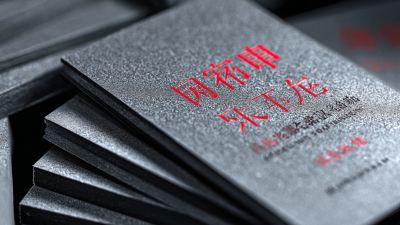
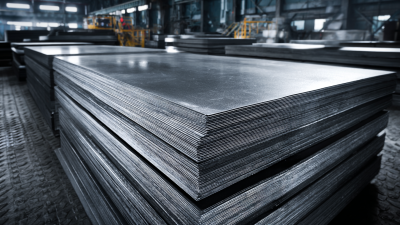
In conclusion, understanding your requirements is key. Visually inspecting the sheet can provide insights into its suitability. Evaluating the nuances of each material ensures that your choice aligns with your operational needs. Choosing the right carbon graphite sheet may not always be straightforward, but thoughtful consideration can lead to better decisions.
Carbon Graphite Sheet Applications and Usage
Key Factors to Consider When Choosing Carbon Graphite Sheets
Choosing the right carbon graphite sheet is crucial for optimal performance. There are several key factors to consider before making a decision. One of the most important aspects is the thickness of the sheet. Thicker sheets generally offer better thermal stability and durability. However, they may also be heavier. Understanding your application’s requirements helps in selecting the appropriate thickness.
Another valuable factor is the electrical conductivity of the sheet. Different grades of carbon graphite offer varying levels of conductivity. High conductivity sheets are beneficial for applications requiring efficient electrical transmission. Assess your needs and test different grades if possible.
Tips: Always check the manufacturer's specifications. Experiment with samples to find the best fit. Don't overlook the operating temperature—it can significantly affect performance. Inconsistent results can stem from subtle variations in material quality. This aspect should not be ignored when prioritizing reliability in your selection.
Types of Carbon Graphite Sheets and Their Specific Features
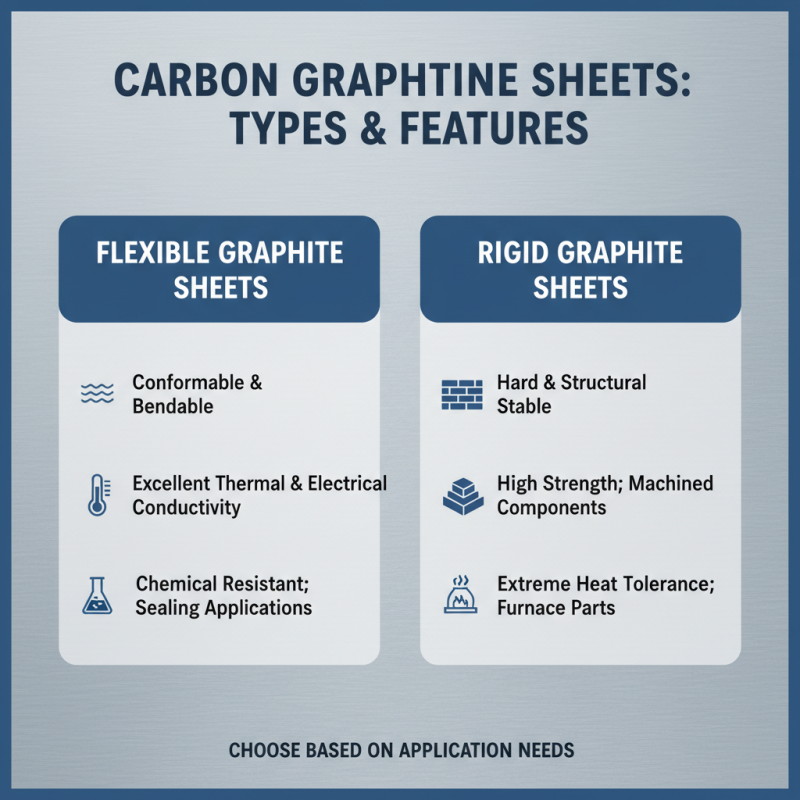
When selecting the right carbon graphite sheet, understanding the types available is crucial. Carbon graphite sheets are designed for diverse applications, making it important to choose one that meets your specific needs. Two of the most common types are flexible graphite and rigid graphite sheets.
Flexible graphite is often favored for its excellent thermal conductivity and resistance to corrosion. According to industry reports, flexible graphite can withstand temperatures exceeding 3000°F. This makes it ideal for high-temperature gaskets or seals. On the other hand, rigid graphite sheets offer superior mechanical strength. These sheets are used in applications requiring structural integrity, such as in aerospace or automotive industries.
Another consideration is the purity of the graphite. High purity graphite sheets have minimal impurities, which enhances their performance. Some reports indicate that sheets with 99% purity can improve the lifespan of components significantly. However, the cost increase must be factored in as well. Careful reflection is needed on whether the enhanced performance justifies the additional expense for your specific application.
Evaluating Quality Standards for Carbon Graphite Sheets
When considering carbon graphite sheets, quality standards play a crucial role. Look for sheets that adhere to specific industry certifications. These certifications often reflect the material's performance under various conditions. Sheets that meet recognized quality standards will generally exhibit better durability and resistance to wear.
Inspect the properties of the graphite sheets closely. Key factors include density, thermal conductivity, and mechanical strength. High-density sheets usually offer enhanced durability. Meanwhile, sheets with optimal thermal conductivity can reduce energy losses in applications. Testing these properties before purchasing is essential.
Sometimes, manufacturers may not provide sufficient data. This lack of transparency can lead to flawed choices. Always ask for test reports or validate claims through third-party evaluations. Trustworthy suppliers should readily share this information. Be wary of deals that seem too good to be true; they often are.
Common Mistakes to Avoid When Selecting Carbon Graphite Sheets
Choosing the right carbon graphite sheet can be challenging. One common mistake is overlooking the specific application. Different projects require varying thicknesses and densities. For instance, a thinner sheet might seem sufficient but may not withstand high temperatures. Check the thermal and electrical conductivity ratings, as these factors are crucial for performance.
Another frequent error is misjudging the environmental conditions. If the sheet will face moisture or corrosive chemicals, consider their resistance. Some users assume all carbon graphite sheets perform similarly, but this isn't true. Quality varies widely; thus, knowing the intended use is vital.
Lastly, avoid neglecting supplier reliability. Research the manufacturer before purchasing. Reviews and certifications can offer insight into their credibility. Relying on vague claims can lead to regret later. A small but prudent investment in time can prevent costly mistakes. Assess your needs thoroughly and make informed choices.