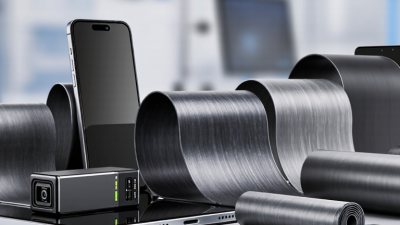
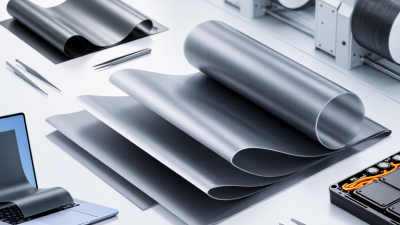
Thermal Graphite Sheet materials help spread heat across compact electronic assemblies, where limited space can make temperature control difficult. They appear in applications such as smartphones, displays, computers, and other devices. But a product name alone says little about its real performance. Thickness, sheet dimensions, in-plane thermal conductivity, adhesive options, and electrical isolation all deserve attention. Specs tell the story.
This guide to China’s top 10 Thermal Graphite Sheet manufacturers offers a starting point for comparing suppliers, not a universal ranking. Manufacturer capabilities and product ranges can change, while published figures may use different test methods. Claims need context. Buyers should review current datasheets, sample quality, customization capacity, production consistency, and communication before making a decision. A thin sheet may look ideal on paper yet prove difficult to handle during assembly. That detail is easy to overlook.
The companies featured should be assessed against practical purchasing needs, including required tolerances, order volume, technical support, and delivery expectations. Where information is limited, treat it as a point to verify rather than a confirmed advantage. This comparison aims to help engineers, sourcing teams, and product developers ask more informed questions. It cannot replace testing in the intended device. A careful supplier review, followed by application-specific validation, is a more dependable route to selecting a suitable thermal graphite solution.
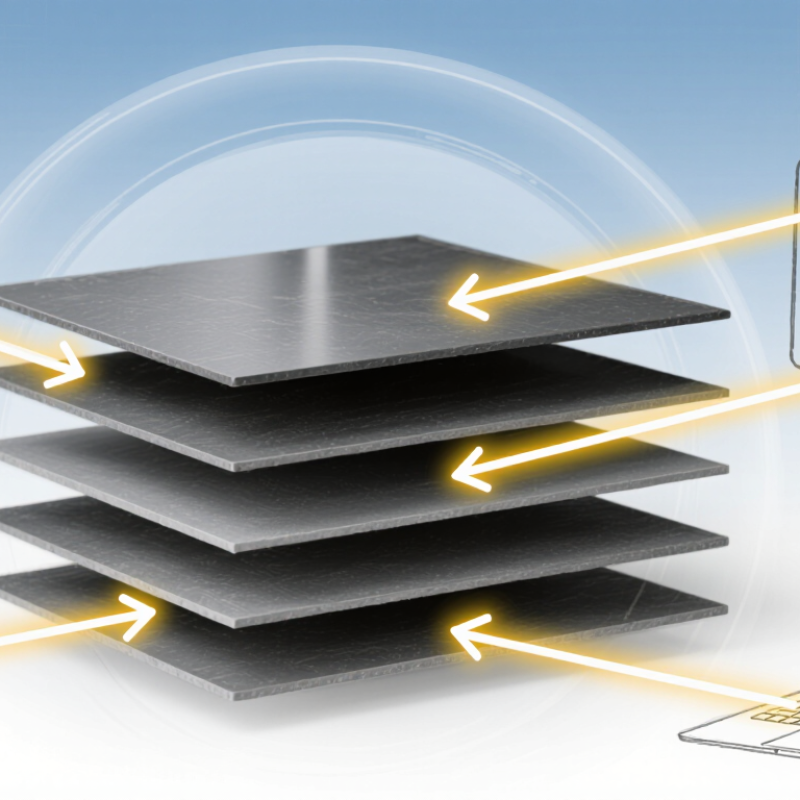
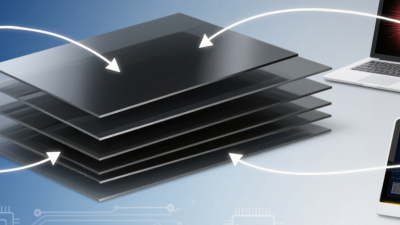
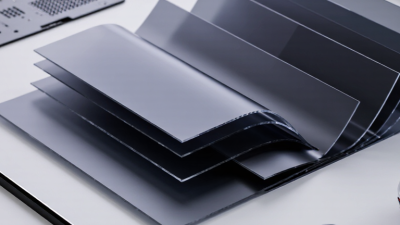
Thermal graphite sheets are thin heat spreaders, not miniature heat sinks. Many are made from exfoliated graphite compressed into flexible, layered sheets; others use graphite-filled composites. Their structure resembles stacked flakes. Heat moves readily along the layers but much less easily through the sheet’s thickness. Direction matters.
In a compact device, a sheet can spread a processor’s hotspot toward a larger frame or shield. It does not remove heat by itself. The receiving surface must transfer heat onward to air or another cooling component. Performance depends on thickness, orientation, surface flatness, and contact pressure. Tiny gaps trap air and increase thermal resistance. Measure, don’t guess.
Tips: Check the manufacturer’s conductivity data in both directions. Keep contact surfaces clean and flat. Avoid sharp folds; they may damage the layered structure. A sheet that looks suitable on paper may perform poorly in an uneven assembly, so test it in the actual device.
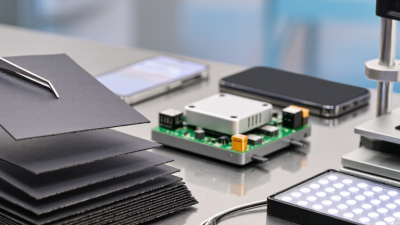
Choosing among China’s thermal graphite sheet manufacturers requires more than comparing a headline conductivity figure. Ask for in-plane and through-plane conductivity, thickness, density, and test method; graphite is strongly anisotropic. Small differences matter: a 0.1-millimeter sheet may perform differently after compression, lamination, or bending. Request reports tied to the exact grade and production lot, not a generic brochure. Where applicable, ASTM D5470 can help assess thermal-interface performance, but pressure and contact resistance also affect results. Details matter.
Supply resilience deserves scrutiny, too. The USGS Mineral Commodity Summaries 2025 estimates China produced 1.27 million of the 1.6 million metric tons of natural graphite mined worldwide in 2024—roughly 79 percent. This signals upstream supply concentration, not superior product quality. Ask about lot traceability, thickness tolerances, incoming-material checks, and capacity during demand spikes. Compare samples using the same heat source, clamping force, and temperature cycle; inspect for edge fraying and adhesive residue. Request aging data. One limitation remains: published figures may not reflect real assembly conditions. Validate them against your own design.
Indicative thermal-conductivity ranges commonly reported for flexible graphite sheet grades
When evaluating suppliers, compare in-plane and through-plane conductivity separately, and confirm the test method, material grade, thickness, and measurement conditions. These indicative ranges vary by product and are not rankings of manufacturers.
China’s thermal graphite sheet manufacturers serve electronics, lighting, automotive, and industrial markets. A useful profile looks beyond production scale. It examines material grades, thickness options, sheet dimensions, converting capabilities, and quality controls. These details affect how reliably a sheet moves heat from a component to a housing or heat sink.
The ten profiles in this guide focus on practical differences among manufacturers. Some emphasize flexible graphite materials for tight spaces; others offer die-cut parts for repeatable assembly. Look for clear specifications, sample availability, and testing data. Ask how thermal conductivity was measured, since test methods can change the numbers. Not every profile will provide the same level of detail. That gap matters.
Tips: Compare samples under your own operating conditions. Check thickness and surface contact, not just conductivity figures. A small mismatch can reduce heat transfer. Request tolerances and batch consistency details before placing a large order. Manufacturers may describe similar capabilities, but delivery times, customization, and technical support can differ. Treat published claims as a starting point, then verify them with documentation and trials.
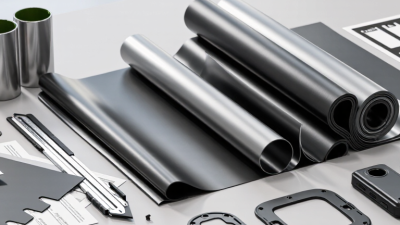
When comparing the top thermal graphite sheet manufacturers in China, look beyond headline conductivity figures. Product ranges may include natural or synthetic graphite sheets, adhesive-backed rolls, insulating laminates, and precision-cut parts. Check thickness options, sheet dimensions, surface treatments, and whether the supplier provides samples before tooling. Small details matter.
Customization should start with the device layout, heat source, and available clearance, not a generic drawing. Ask about die-cut tolerances, adhesive type, release liner, and stacking graphite with copper or insulation. An engineering team can review CAD files and flag wrinkles, edge tearing, or contact gaps before production. Still, prototypes may behave differently after repeated heating. Test them.
For quality, request documented incoming-material checks, thickness and density measurements, and thermal tests with stated methods. An ISO 9001-based quality system can indicate controlled processes, but certification alone does not prove every batch performs equally. Compare lot traceability, inspection records, and agreed acceptance limits; confirm whether testing covers the finished assembly. Specifications are not the whole story. Ask how defects are handled, and keep a trial batch for your own validation.
Choosing among China’s thermal graphite sheet manufacturers requires more than comparing quoted conductivity. Check whether the figure refers to in-plane or through-plane performance; graphite conducts heat very differently across those directions. Request test methods, thickness tolerances, density, compression behavior, and batch-level inspection records. Ask for samples cut to your actual footprint. Fit matters. A sheet that wrinkles around a camera module or leaves a gap over a battery can underperform a better-looking datasheet.
MarketsandMarkets estimated the broader thermal interface materials market at USD 2.8 billion in 2023 and forecast USD 4.4 billion by 2028, a 9.4% compound annual growth rate. That category includes more than graphite sheets, so it signals demand, not supplier quality. Compare suppliers using the same test conditions, then run thermal cycling and humidity-aging checks on production-representative samples. Review capacity, lead times, change-control procedures, and traceability for each lot. A polished sample proves little. Ask how results vary across multiple batches, and whether the supplier can explain a disappointing test without blaming the setup alone. It is easy to overlook that point.