Top Tips for Choosing Flexible Graphite Gasket for Your Needs?
When choosing a Flexible Graphite Gasket, it’s crucial to consider several factors. These gaskets are often used in high-temperature and high-pressure environments. They provide excellent sealing capabilities and chemical resistance. However, not all graphite gaskets are the same, and choosing the right one can be challenging.
Understanding the specific requirements of your application is essential. Factors like the operating temperature, pressure conditions, and the medium being sealed play a significant role in selecting the correct gasket. It’s important to assess the materials and their compatibility carefully. A mismatch can lead to leaks, causing costly downtime.
Additionally, while many suppliers offer flexible graphite gaskets, their quality can vary. Relying on reputable manufacturers with a proven track record is vital. Look for detailed specifications and test results. This scrutiny can help ensure reliability. Some might cut corners, but investing time in research pays off in the long run. Evaluating these aspects can lead to better operational efficiency and durability in your applications.
Understanding Flexible Graphite Gaskets: Composition and Benefits
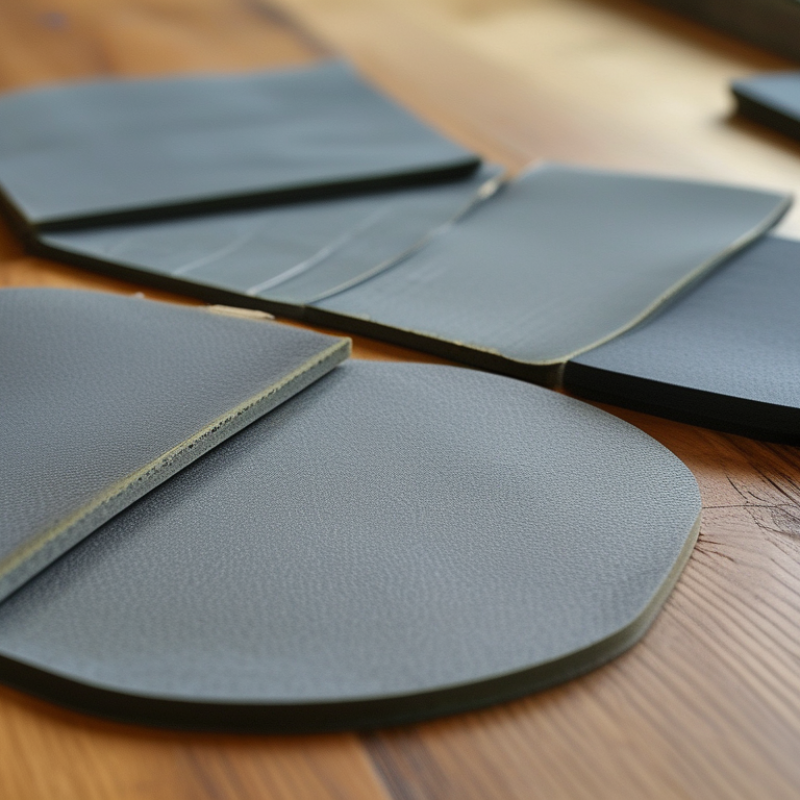
Flexible graphite gaskets are made from high-purity natural graphite. This composition gives them excellent thermal stability and chemical resistance. These gaskets can withstand extreme temperatures, making them ideal for demanding applications. Their flexibility allows for easy installation and sealing in various configurations. Many industries use them for flanges, valves, and heat exchangers.
The benefits of flexible graphite gaskets are notable. They provide a tight seal, reducing the risk of leaks in critical systems. Their resistance to a wide range of chemicals ensures long-lasting performance. However, not all flexible graphite gaskets are created equally. It's essential to evaluate specific operational conditions. Selecting the right material and thickness can greatly impact effectiveness. Oversizing or undersizing a gasket may lead to premature failure or inefficiency.
It's also worth noting that while flexible graphite is robust, improper handling can compromise its integrity. Avoid exposure to harsh chemicals during installation. Inspect the surface where the gasket will be placed to ensure proper sealing. Understanding these aspects can lead to better decision-making for your unique needs.
Assessing Application Requirements for Effective Gasket Selection
When selecting flexible graphite gaskets, understanding the application requirements is crucial. Various industries have unique needs regarding temperature, pressure, and chemical exposure. According to a study by the Gasket and Sealing Materials Institute, over 40% of gasket failures result from inappropriate material selection. This statistic highlights the importance of a thorough assessment before making a choice.
Consider the operating temperature. Flexible graphite gaskets can withstand temperatures up to 500°C. However, for extreme conditions, you may need specialized versions. The operating pressure also matters. Gaskets that leak under pressure can lead to significant equipment failures. For instance, the American Society of Mechanical Engineers (ASME) notes that even a minor leak can cause costly downtime.
Chemical compatibility is another key factor. Different chemicals interact with materials in unique ways. An inability to accurately assess this can lead to premature gasket degradation. A recent industry report suggests that around 25% of gasket issues stem from chemical incompatibility. Evaluating the specific environment where the gasket will function is essential for optimal performance.
Evaluating Temperature and Pressure Ratings for Gasket Performance
When selecting a flexible graphite gasket, evaluating temperature and pressure ratings is essential. High temperatures can weaken materials over time. Thus, knowing the maximum operational temperature of your application helps to prevent failure. For instance, gaskets used in chemical processing often face extreme conditions.
Pressure ratings also play a critical role in gasket performance. In many cases, incorrect pressure ratings lead to leaks. This is especially true in high-pressure systems, where even minor discrepancies can cause severe leaks or system failure. Understanding the specific pressure needs of your application protects both equipment and safety.
Some might overlook these ratings, thinking that a flexible graphite gasket is universally suitable. This assumption can lead to costly mistakes. It is vital to review technical specifications and match them with your working environment. Your choice should reflect not only current needs but also future operational changes. Make sure to assess all parameters carefully.
Key Factors to Consider: Size, Shape, and Sealant Compatibility
Choosing the right flexible graphite gasket is crucial for optimal performance. Size and shape are primary factors. The gasket must fit precisely within the flange of your application. According to industry reports, over 30% of equipment failures stem from improper gasket sizing. Accurate dimensions prevent leaks and enhance efficiency.
Sealant compatibility is equally important. Not all sealants work seamlessly with flexible graphite. A mismatch can lead to chemical degradation and reduced sealing capabilities. Research indicates that 45% of gasket failures arise from faulty sealant choices. Understanding the interaction between graphite and sealants improves lifespan and reliability.
Careful consideration of these factors is essential. Often, users overlook slight variations in size or fail to verify sealant specifications. Small discrepancies can result in significant issues. Professionals recommend conducting thorough compatibility tests. Regularly reviewing material data sheets can prevent future complications. Awareness and attention to detail will safeguard your operations.
Common Mistakes to Avoid When Choosing Flexible Graphite Gaskets
When selecting flexible graphite gaskets, avoiding common pitfalls can enhance your choice. Many overlook the importance of temperature and pressure ratings. According to industry reports, over 30% of gasket failures are attributed to inappropriate specifications. A gasket must withstand its operating environment; otherwise, leaks can lead to costly downtime.
Material compatibility is another area where mistakes happen. Not all flexible graphite is suitable for every chemical. Failing to check compatibility can result in rapid degradation, compromising safety. Research indicates that nearly 25% of gaskets fail due to chemical reactions that were not anticipated.
Buyers often neglect proper installation guidelines. Even the best gasket can fail if not installed correctly. Misalignments or improper torque can create weak spots. Industry experts stress that about 20% of installation errors lead to premature gasket failure. Detailed attention to these factors can significantly increase the lifespan and performance of flexible graphite gaskets.