Best Graphite Gasket Sheet Options for Global Buyers?
In the competitive world of industrial sealing solutions, "Graphite Gasket Sheets" have emerged as a critical component for various applications. According to a comprehensive market analysis by Research and Markets, the global graphite gasket market is projected to reach USD 1.8 billion by 2027, growing at a CAGR of 5.5%. Such statistics highlight the growing demand for reliable sealing materials in various sectors, including oil and gas, automotive, and energy.
Renowned industry expert Dr. Emily Carter, an authority on sealing technologies, emphasizes, "The durability and thermal stability of graphite gasket sheets truly set them apart." This statement underscores the importance of choosing the right materials for high-performance applications.
However, with many options available worldwide, selecting the best graphite gasket sheets can be overwhelming. Not all products are created equal. Quality can vary significantly, and buyers must carefully assess each alternative. Insights from industry veterans often highlight the need for rigorous testing and certification. Thus, a well-informed decision is crucial for ensuring long-lasting functionality and safety in critical operations.

Understanding Graphite Gasket Sheets: Types and Properties
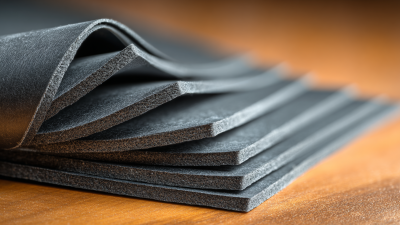
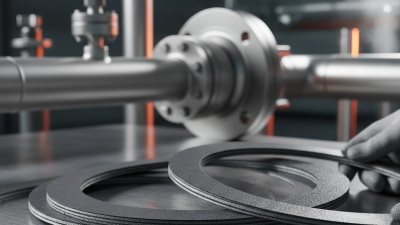
Graphite gasket sheets are essential in many industrial applications. They provide effective sealing in high-temperature and high-pressure environments. Understanding their types and properties is crucial for selecting the right option. Graphite sheets vary in thickness and density, affecting their compressibility and sealing performance. This variability allows them to adapt to different machinery and conditions.
There are various types of graphite sheets available. Some are reinforced with other materials for added strength. This reinforcement enhances their durability and resistance to wear. However, not all options are ideal for every application. Buyers must consider the specific requirements of their equipment and operating conditions. It’s easy to focus on the cheaper options, but quality should not be compromised.
The properties of graphite sheets also play a significant role in their effectiveness. They exhibit excellent thermal conductivity and chemical resistance. Still, how they perform can depend on the installation process. Improper installation may lead to leaks and performance issues. Buyers should educate themselves about proper sealing techniques to ensure optimal usage.
Key Factors to Consider When Selecting Graphite Gasket Sheets
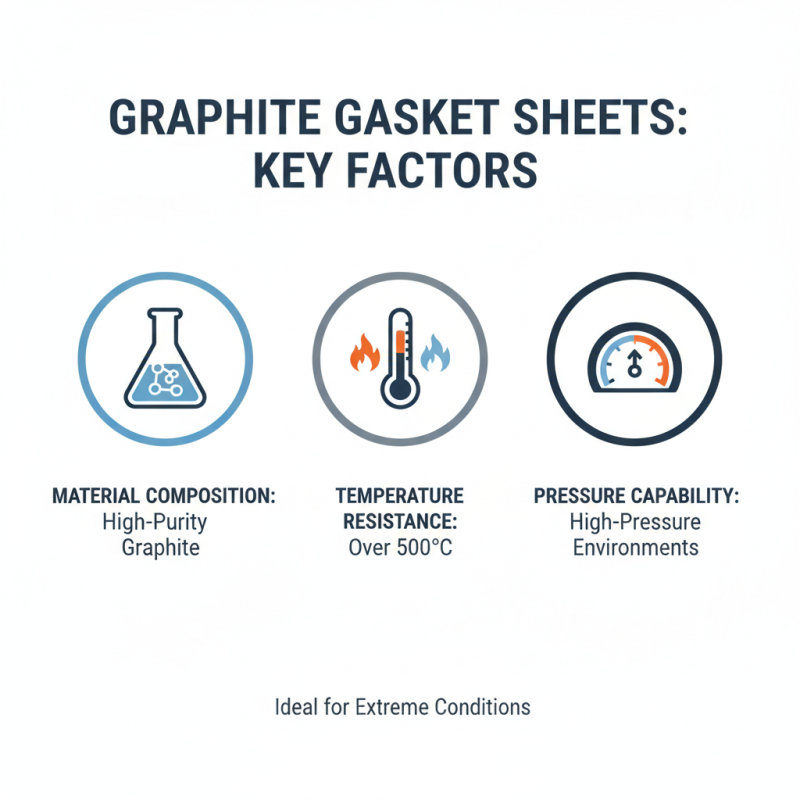
When selecting graphite gasket sheets, several key factors come into play. First, consider the material composition. High-purity graphite tends to perform better under extreme conditions. According to industry reports, the resistance of high-density graphite sheets can reach over 500°C in continuous applications. This makes them ideal for high-pressure environments.
Thickness is another critical factor. A thicker gasket sheet often provides better sealing performance. Standard thickness ranges from 1mm to 5mm, with many industries favoring 3mm for versatility. However, using thicker sheets in applications where space is limited could lead to complications.
Tip: Always check the gasket sheet's compressibility. The right compressibility ensures a tight seal, preventing leaks. Testing data suggests that compressibility rates around 20% generally yield better results.
A manufacturer’s certification can influence your choice as well. Look for compliance with industry standards, such as ISO 9001. This certification indicates a commitment to quality that can lead to reliable sealing solutions. Keep in mind that some manufacturers may not achieve these standards, potentially impacting performance.
Tip: Seek out reviews from peers in your industry. Real-world applications can provide insights that technical data alone may not reveal. It’s wise to reflect on previous experiences and prioritize functional rather than aesthetic qualities in your selection process.
Top Global Manufacturers of Graphite Gasket Sheets
When considering the best graphite gasket sheet options, it is crucial to know the leaders in manufacturing. The global market showcases several key players who excel in producing high-quality graphite gaskets. According to the latest market report from Grand View Research, the global market for gasket sheets is expected to reach USD 7.5 billion by 2027, driven largely by the rise in demand across various industries.
Top manufacturers maintain a focus on quality and specialization. They often utilize advanced techniques to enhance the performance of their graphite sheets. Many of these companies prioritize R&D to innovate and meet specific industry needs. Many users report that the quality of the gasket directly impacts equipment efficiency. Yet, sourcing from reputed manufacturers is not always straightforward, given the vast options available.
Tips: Always consider certifications when selecting a manufacturer. Look for industry standards like ISO 9001 for quality assurance. Additionally, customer reviews offer insight into reliability and service. Real-world user experiences often highlight shortcomings in durability or performance. Regular assessments of gasket sheets can prevent costly downtime in industrial applications.
Best Graphite Gasket Sheet Options for Global Buyers
| Product Type |
Thickness (mm) |
Density (g/cm³) |
Temperature Range (°C) |
Max Pressure (MPa) |
Applications |
| Standard Graphite Sheet |
1.5 |
1.0 |
-200 to 450 |
10 |
Valves, Pumps, Heat Exchangers |
| Reinforced Graphite Sheet |
3.0 |
1.2 |
-200 to 550 |
20 |
Chemical Process, Oil & Gas |
| Flexible Graphite Sheet |
2.0 |
0.9 |
-250 to 500 |
15 |
Marine, Power Generation |
| Graphite Sealing Sheet |
1.0 |
1.1 |
-200 to 600 |
25 |
Food Industries, Pharmaceutical |
| Expanded Graphite Sheet |
0.5 |
0.85 |
-200 to 450 |
5 |
Air Conditioning, Insulation |
Comparative Analysis of Graphite Gasket Sheets on the Market
When searching for the best graphite gasket sheet options, understanding their composition is crucial. Graphite sheets are fabricated with varying densities and fillers. This affects their performance in different applications. Buyers must consider the environmental conditions where the gaskets will be used, such as temperature and pressure. Some sheets perform excellently in high-temperature settings but may not endure aggressive chemicals.
Tips: Always review the material specifications. Look for sheets with pure graphite for enhanced durability. Different applications warrant different types of sheets. Avoid relying solely on supplier claims; conduct your own tests to ensure compatibility.
Another essential factor is the machining capability of graphite sheets. Some options may require more precise cutting processes due to their density. Incorrect handling can lead to poor sealing and leakage. It’s also important to remember that not all sheets perform the same under pressure. A thorough comparative analysis will guide buyers to the right choice.
Tips: Assess the recommended installation techniques for each type. Improper installation can lead to failures. Engage with experienced professionals for advice and best practices. Design variations can influence gasket performance significantly; keep this in mind during selection.
Best Graphite Gasket Sheets Analysis
Customer Reviews and Feedback on Popular Graphite Gasket Brands
When choosing graphite gasket sheets, customer reviews provide valuable insights. Feedback often highlights durability, temperature resistance, and sealing efficiency. Many users appreciate how these gaskets perform under extreme conditions. However, some reports mention unexpected wear over time, leading to re-evaluation of maintenance schedules.
Tips for selecting the right graphite gasket include checking for material certifications. Ensure the gasket can withstand your specific application’s pressure and temperature. Customers have noted that sourcing from reputable suppliers reduces the chance of defects. Pay attention to installation details as improper fitting can lead to leaks.
User experiences also emphasize the importance of compatibility. Certain products may not perform well with specific fluids or gases. Buyers should consult technical data sheets rigorously. This practice helps avoid costly mistakes. Additionally, some reviewers recommend exploring alternatives when faced with consistent failures. Understanding product specifications is crucial to making informed decisions in gasket selection.