How to Source Flexible Graphite for Global Procurement Needs?
Sourcing Flexible Graphite for global procurement can be a challenging endeavor. This unique material is essential in various industries, including electronics and battery production. Its remarkable properties, such as thermal stability and conductivity, make it highly sought after.
Understanding the complexities of the global market is critical. Suppliers vary widely in quality and reliability. Businesses must take a meticulous approach to assess the credibility of sources. Finding trustworthy partners is not just about price; it’s about long-term relationships and quality assurance.
Navigating this landscape requires deep industry knowledge. It’s vital to stay updated on market trends and technological advancements. Mistakes can lead to costly setbacks. Therefore, thorough research and continuous evaluation of suppliers become indispensable. Flexibility and adaptability in sourcing processes can open doors to new opportunities in global procurement.

Understanding Flexible Graphite and Its Applications
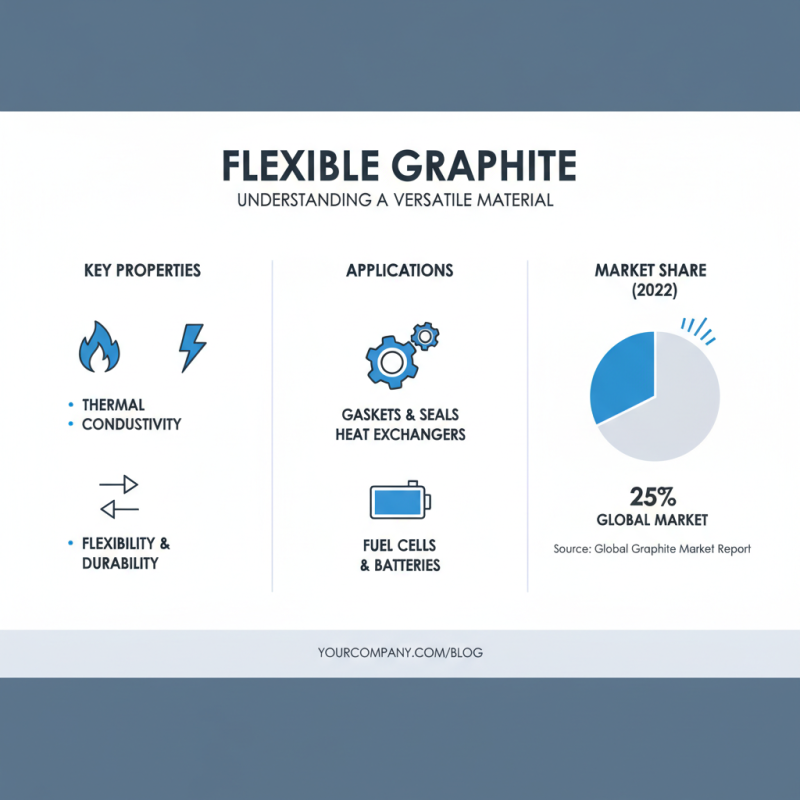
Flexible graphite is a unique material known for its impressive thermal and electrical conductivity. It plays a vital role in various industries. Applications range from gaskets to heat exchangers, depending on its flexibility and durability. According to the Global Graphite Market Report, flexible graphite accounted for approximately 25% of the total market in 2022.
In the automotive industry, flexible graphite is essential for manufacturing reliable seals. These seals improve energy efficiency by reducing leaks in engine components. A recent study indicated that flexible graphite offers a 30% improvement in performance compared to traditional sealing materials. This enhancement leads to lower emissions and increased fuel economy, aligning with global sustainability goals.
However, sourcing quality flexible graphite remains a challenge. The variability in natural graphite sources raises concerns about purity and performance. Buyers must navigate between price and quality. Some suppliers may offer lower grades that barely meet industry standards. This presents a risk for manufacturing integrity. Ensuring that suppliers follow stringent testing and quality assurance measures is critical. Industry standards, such as ISO certifications, can help in making informed decisions.
Identifying Reliable Suppliers for Flexible Graphite
Sourcing flexible graphite involves identifying reliable suppliers to meet global demands. As industries increasingly adopt this material, understanding supplier reliability becomes crucial. Studies show that the global flexible graphite market is projected to reach USD 1.2 billion by 2027, indicating a growing need for consistent supply chains.
When evaluating suppliers, consider their production capacity and quality control measures. Many suppliers utilize stringent testing processes to ensure product performance. A report from the International Graphite Association highlights that 85% of leading suppliers have implemented advanced quality assurance protocols. However, not all suppliers offer the same level of reliability. Inconsistent product quality can lead to performance issues, impacting overall project timelines.
Further, geographical location can play a significant role in supply chain efficiency. Suppliers located near key markets can reduce shipping time and costs. Engaging with local suppliers fosters relationships, but this approach requires thorough due diligence. Many companies overlook this step, resulting in unreliable supply chains. Always assess supplier performance data and customer feedback to make informed decisions. It's essential to invest time in this critical aspect of procurement, as the stakes are high.
Evaluating Quality Standards and Specifications for Sourcing
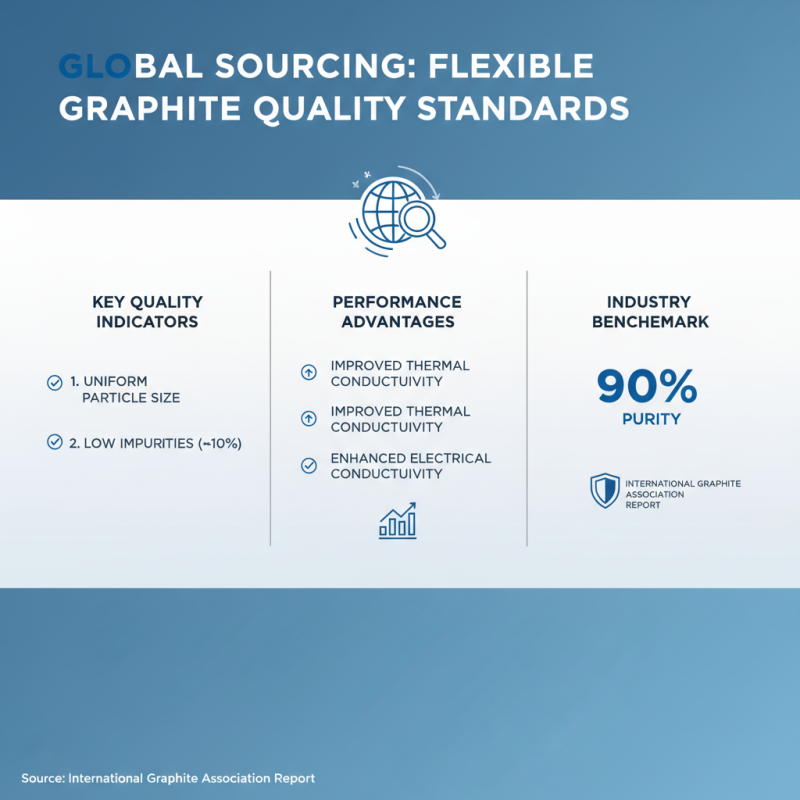
Sourcing flexible graphite for global procurement requires a keen eye on quality standards and specifications. Various industry reports indicate that high-quality flexible graphite is characterized by uniform particle size and low impurities. A report by the International Graphite Association states that flexible graphite with over 90% purity shows significant advantages in thermal and electrical conductivity.
It’s essential to evaluate sourcing options based on these standards. Performance metrics like compression strength and thermal stability should be prioritized. For instance, flexible graphite often exhibits a compressive strength of approximately 60 MPa or higher, ensuring effectiveness in critical applications. However, achieving these benchmarks can be challenging. Suppliers may vary in their ability to consistently meet these specifications.
Moreover, understanding regional variations in material quality is vital. Some regions produce graphite with higher silica content, which can affect performance. Awareness of these discrepancies helps in making informed decisions. Sourcing graphite based solely on price may lead to compromises in quality. Thus, recognizing the importance of specifying and confirming quality attributes cannot be overstated.
Negotiating Contracts and Pricing in Global Procurement
Negotiating contracts and pricing for flexible graphite requires a deep understanding of market dynamics. Reports indicate that the global graphite market size is projected to reach USD 18.8 billion by 2026, growing at a CAGR of 7.6%. This growth is driven by increasing demands in industries like automotive and electronics. Companies must do their homework, as prices can fluctuate significantly based on supply and demand.
Awareness of geopolitical factors is crucial. For instance, any supply chain disruptions due to international trade policies can drastically impact pricing. According to industry analyses, sourcing flexible graphite from diverse geographical locations can mitigate some risks. Firms should encourage healthy competition among suppliers to achieve better pricing. However, relentless cost-cutting can sometimes result in compromising quality.
Understanding the total cost of ownership is vital. This includes considering shipping, tariffs, and fulfillment times. Sometimes, the cheapest option may surface as costly in the long run due to delays or service issues. Companies must balance cost and reliability. Initiating open dialogues with suppliers can lead to favorable terms. Transparency fosters trust, opening doors for future collaborations. Reflecting on past negotiations can also reveal valuable lessons. Each experience helps refine strategies in this complex landscape.
Global Procurement of Flexible Graphite: Price Trends Over the Years
This bar chart illustrates the average price trends of flexible graphite from 2019 to 2023, highlighting the increasing costs and market changes in global procurement.
Managing Logistics and Supply Chain for Flexible Graphite
Managing logistics and the supply chain for flexible graphite presents unique challenges. Sourcing high-quality flexible graphite requires a careful approach. Establishing strong relationships with reliable suppliers is crucial. Often, unexpected delays can occur due to transportation issues. Understanding regional logistics is key to mitigating these risks.
Communication is essential throughout the supply chain. Clear expectations should be established with suppliers and logistics providers. Tracking shipments in real-time can help address any discrepancies quickly. It's important to remain flexible; plans may change unexpectedly, and adaptability can save resources.
Quality control is another significant factor. Regular assessments of graphite quality from suppliers ensure consistency. In the end, adjustments may be necessary to meet specific project requirements. Challenges are part of the process, and being prepared to adapt can lead to success in global procurement endeavors.
How to Source Flexible Graphite for Global Procurement Needs?
| Region |
Supplier Type |
Average Price per Ton (USD) |
Lead Time (Weeks) |
Minimum Order Quantity (Tons) |
| North America |
Manufacturer |
2500 |
4 |
10 |
| Europe |
Distributor |
2800 |
6 |
5 |
| Asia |
Wholesaler |
2400 |
5 |
15 |
| South America |
Manufacturer |
2600 |
4 |
8 |
| Africa |
Supplier Consortium |
3000 |
8 |
12 |