China Top 10 Flexible Graphite Gasket Manufacturers?
China’s flexible graphite gasket industry serves refineries, chemical plants, power stations, and demanding process equipment. This guide introduces China’s top 10 Flexible Graphite Gasket manufacturers through practical and technical criteria. It considers production experience, material quality, customization, testing, and export reliability.
A strong manufacturer should understand graphite density, compressibility, recovery, sealing stress, and temperature resistance. It should also control raw materials, cutting accuracy, surface treatment, and dimensional tolerances. Factory audits, sample testing, certifications, and customer feedback provide useful evidence. Product photographs alone are not enough. Real performance matters.
The selected companies may offer expanded graphite sheets, spiral wound gaskets, graphite packing, and metal-reinforced designs. Their applications can include flanges, valves, heat exchangers, and high-temperature pipelines. Buyers should compare graphite purity, pressure ratings, manufacturing capacity, and technical support before making decisions. Delivery consistency also deserves close attention.
No ranking is perfect. Company capabilities can change, and public information may remain incomplete. Some suppliers communicate well but provide limited technical evidence. Others have excellent workshops but weaker international service. This guide therefore encourages direct verification, including factory records, inspection reports, sample approval, and after-sales response. A careful buyer should confirm whether each manufacturer can meet the actual medium, temperature, pressure, and flange conditions. Small details often decide sealing performance.
What Are Flexible Graphite Gaskets and How Do They Work?
China Top 10 Flexible Graphite Gasket Manufacturers?
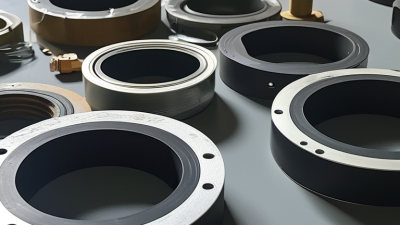
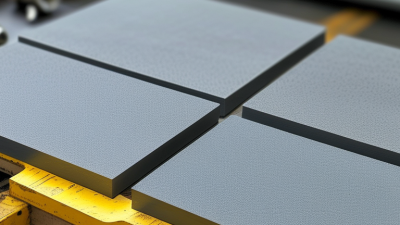
Flexible graphite gaskets are sealing components made from expanded natural graphite. The graphite is compressed into sheets, tapes, or formed rings. Its layered structure allows the material to deform around flange scratches and surface irregularities. This creates a tight barrier without excessive bolt loading.
The gasket works through controlled compression. When bolts tighten a flange, graphite fills microscopic gaps and maintains contact during thermal cycling. It also tolerates many acids, steam, and hydrocarbons. However, oxygen exposure can limit its temperature performance. The exact resistance depends on purity, reinforcement, pressure, and manufacturing quality.
MARKET INSIGHT
MarketsandMarkets estimated the global industrial gaskets market at about USD 12 billion in 2023, with steady growth expected through 2028. This demand reflects stricter leakage control in chemical, power, and process equipment. ASME B16.20 also emphasizes dimensional and material requirements for metallic and jacketed gasket applications, supporting consistent installation practices.
Field experience shows that graphite does not automatically solve every sealing problem.
Poor flange alignment, uneven bolt tightening, or contaminated surfaces can cause leakage. I have seen thin graphite sheets perform well on clean, stable flanges, then fail after repeated vibration. That detail is easy to overlook. Engineers should verify compression stress, media compatibility, and oxidation conditions before selecting a gasket.
Key Materials, Designs, and Performance Standards
When comparing China’s top 10 flexible graphite gasket manufacturers, material control deserves close attention. Flexible graphite should show stable density, low ash content, and consistent thickness. Expanded graphite seals well across temperature changes. However, oxidizing atmospheres require separate engineering review. Graphite is not universally suitable.
Design details often decide field performance. Common constructions include pure graphite sheets, metal-reinforced sheets, and spiral-wound gaskets with graphite filler. Tanged or perforated reinforcement can improve handling and recovery. A thicker gasket is not automatically safer. Joint flatness, bolt load, flange finish, and compression limits must match the design. Small errors at installation can create visible leakage around a steam flange.
Performance claims should connect with recognized testing. ASTM F36 helps assess compressibility and recovery. ASTM F104 supports material classification and comparison. EN 13555 provides useful data on leakage, creep relaxation, and compression behavior. ASME PCC-1 offers practical guidance for bolted flange assembly. Ask for recent batch records, test conditions, density data, and dimensional inspection reports. A certificate alone may not reveal production variation. This is where supplier evaluation becomes less perfect than a simple ranking. I would also check storage methods, cutting accuracy, traceability, and technical response time. Real reliability appears when laboratory results survive installation, cycling, and maintenance work.
How Flexible Graphite Gaskets Are Manufactured in China
Flexible graphite gaskets are manufactured through controlled expansion, purification, calendaring, and precision cutting.
In China, production usually begins with carefully selected natural graphite flakes. Operators inspect flake size, moisture, and ash content before processing. The material is chemically treated and rapidly heated, creating a worm-like expanded structure. This step requires stable temperature control. Small variations can change density and recovery.
Expanded graphite is then compressed into sheets by heavy rollers.
Engineers adjust pressure, line speed, and thickness for the intended sealing application. A denser sheet may resist extrusion, while a softer sheet can conform to uneven flange surfaces. After calendaring, sheets are slit, die-cut, or molded into finished gaskets. Dimensional checks verify inner diameter, outer diameter, and thickness. Surface defects are not ignored. They can reveal roller wear or uneven compression.
Reliable factories test more than appearance.
Typical checks include density, compressibility, recovery, leakage performance, temperature resistance, and material composition. Batch records connect raw graphite with processing conditions and inspection results. This traceability supports consistent supply for refineries, power equipment, heat exchangers, and industrial piping. Yet manufacturing is not perfectly uniform. Humidity, tool alignment, and operator judgment can still influence results. Experienced teams review these deviations instead of hiding them. That practice improves process control, although it never removes every risk.
China’s Top 10 Flexible Graphite Gasket Manufacturers
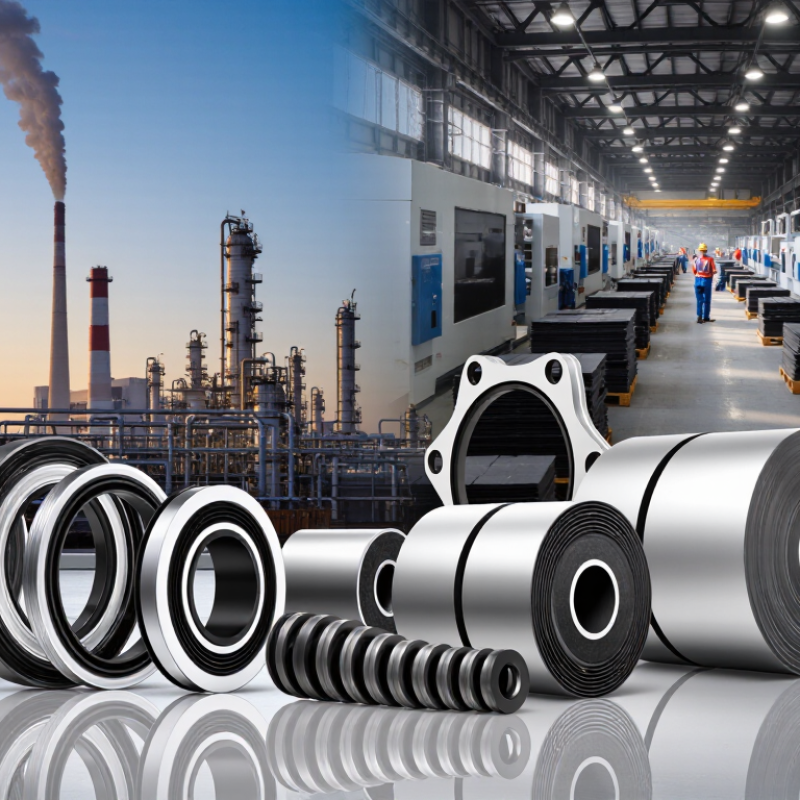
China’s top 10 flexible graphite gasket manufacturers are gaining attention in power generation, petrochemical processing, and industrial piping. Their products commonly use expanded graphite foil, stainless-steel reinforcement, or metal inserts. These materials support sealing under high temperature and pressure.
A 2024 report from Grand View Research estimated the global industrial gaskets and seals market at more than USD 12 billion. Another market review by Mordor Intelligence identified Asia-Pacific as a major growth region, supported by manufacturing expansion and energy infrastructure. However, rankings can differ. Some studies measure revenue, while others assess production capacity, certifications, export reach, or delivery performance. That difference matters.
When evaluating China’s top 10 flexible graphite gasket manufacturers, buyers should check graphite purity, density, compression recovery, leakage testing, and batch traceability. Manufacturing experience is useful, but it is not enough. Test evidence matters more. A supplier should provide material reports and clear tolerance data. Some catalog figures look impressive, yet field performance may vary. That deserves careful review.
Tips: Compare ASTM F36 compression data, ASTM F38 leakage results, and operating-temperature limits. Confirm whether testing covers the actual flange design. Request recent samples, not only brochures. Also review ISO 9001 records, export experience, and production inspection procedures. Small details can prevent large shutdowns.
China Top 10 Flexible Graphite Gasket Manufacturers — Industry Benchmark View
The chart summarizes commonly published maximum recommended service temperatures for flexible graphite gasket materials in different operating environments. Values are industry reference ranges rather than rankings or company-specific data. Actual performance depends on graphite purity, density, oxidation inhibitors, gasket construction, pressure, and media compatibility.
How to Compare Suppliers and Select the Right Manufacturer
China Top 10 Flexible Graphite Gasket Manufacturers?
Comparing the top ten suppliers requires more than checking price or production capacity. Start with graphite purity, density, thickness tolerance, and reinforcement structure. These details affect sealing performance under heat, pressure, and repeated maintenance. Request a recent specification sheet and a sample from the same production line. A sample that performs well may not represent every batch.
Ask each manufacturer for test data covering compression, recovery, leakage, and oxidation resistance. Confirm whether testing follows recognized methods and whether instruments receive regular calibration. Quality certificates can help, but they should not replace factory evidence. Check raw material traceability, inspection records, and packaging protection against moisture and contamination. Clear answers matter.
Visit the facility when possible, or arrange a live video audit. Observe cutting accuracy, surface cleanliness, storage conditions, and final inspection procedures. Suppliers should explain how they control thickness variation across large sheets. Delivery history also deserves attention. A low quotation becomes expensive when replacement parts arrive late. I have seen buyers overlook communication speed. That mistake can delay technical corrections. Leave room for trial orders, independent testing, and written approval criteria before signing a long-term agreement.