Top Uses of Flexible Graphite Gaskets for Global Buyers?
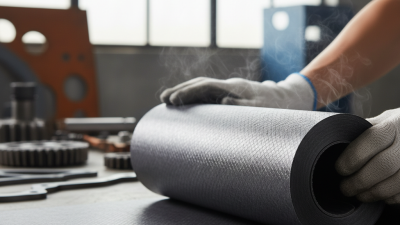
Flexible Graphite Gaskets are becoming essential in various industries. They offer excellent sealing properties under extreme conditions. According to a recent market report, the demand for flexible graphite gaskets has grown by 10% annually. This growth reflects their efficiency in high-temperature and high-pressure environments.
Industries such as aerospace, automotive, and chemical processing heavily rely on these gaskets. They provide superior resistance to chemicals and heat. Recent studies indicate that these gaskets can significantly reduce maintenance costs. However, some companies face challenges in sourcing quality materials, impacting their overall production efficiency.
The versatility of flexible graphite gaskets makes them suitable for multiple applications. Yet, not all suppliers meet the same standards of reliability. Global buyers should carefully assess their options. Investing in high-quality flexible graphite gaskets can yield long-term benefits.
Top Uses of Flexible Graphite Gaskets for Global Buyers
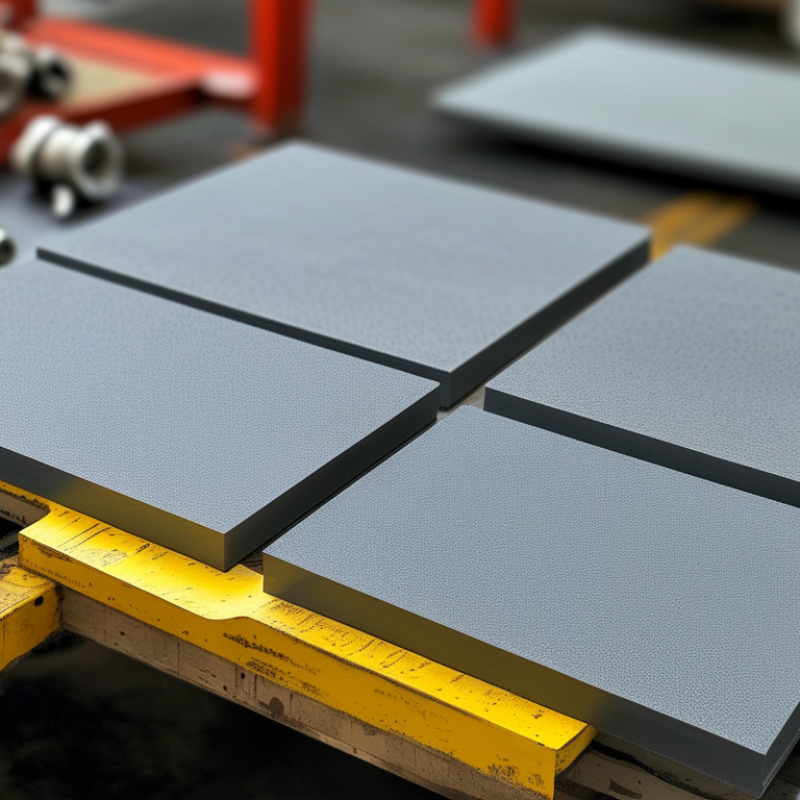
Flexible graphite gaskets are increasingly popular in various industries due to their versatility and reliable performance. They are primarily used in high-temperature and high-pressure applications. Industries like oil and gas, power generation, and automotive benefit significantly from their heat resistance. Research indicates that the global market for graphite gaskets is expected to grow at a compound annual growth rate (CAGR) of over 6% in the coming years, driven by these industries' growing demands.
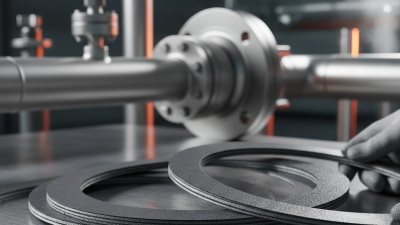
In the oil and gas sector, flexible graphite gaskets are crucial for ensuring leak-free seals in pipelines. They can withstand extreme temperatures, preventing failures that could lead to costly downtime. In power plants, they are used in cooling systems where reliability is paramount. Their adaptability allows them to function in irregular surfaces, providing a snug fit that is vital in critical applications.
Tip: Always consider the specific requirements of your application when selecting a gasket. Not all graphite gaskets are alike. The thickness, compressibility, and temperature resistance are crucial factors.
Another significant application is in the automotive industry. Flexible graphite gaskets are found in engines and exhaust systems, where they effectively manage heat and pressure. However, users sometimes overlook proper installation techniques, leading to performance issues. Human error in installation can compromise the gasket's integrity.
Tip: Ensure thorough training for installation personnel to minimize mistakes. Regular audits can help identify areas for improvement.
Understanding Flexible Graphite Gaskets and Their Properties
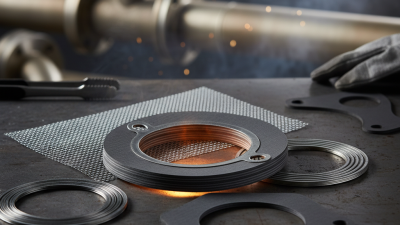
Flexible graphite gaskets are vital components in various industries. Their unique properties make them suitable for high-temperature and high-pressure applications. The material consists of pure graphite, which allows for excellent thermal conductivity and chemical resistance. This combination enables these gaskets to fit securely in diverse environments, from industrial machinery to automotive systems.
One key feature is their adaptability. They can conform to uneven surfaces, creating effective seals that prevent leaks. This quality reduces maintenance costs and enhances safety. However, the challenge lies in their installation. Improper fitting can lead to failures, causing operational issues. Users must pay attention to the torque specifications during installation.
In industries like oil and gas, the reliability of flexible graphite gaskets is paramount. They safeguard crucial operations from leaks and malfunctions. Nonetheless, not all graphite gaskets are created equal. Buyers should be cautious and seek products meeting required standards. Researching manufacturers and their certifications is essential in making informed decisions. The right gasket can drastically improve system efficiency and longevity.
Top Uses of Flexible Graphite Gaskets
Applications of Flexible Graphite Gaskets in Industrial Settings
Flexible graphite gaskets are increasingly utilized in various industrial applications. Their unique properties make them suitable for high-temperature and high-pressure environments. These gaskets provide an effective sealing solution for both static and dynamic applications. For example, they are often used in the oil and gas industry where reliability is critical.
One of the prominent applications is in chemical processing. Flexible graphite gaskets can resist corrosive substances, making them ideal for tanks and piping systems. Many industries appreciate their ability to maintain integrity under extreme conditions. Another area of use is in power generation. Companies depend on these gaskets to ensure safety and efficiency in steam systems. However, proper installation is essential; otherwise, leakage can occur, leading to significant issues.
In the automotive sector, flexible graphite gaskets play a vital role. They are used in engines and exhaust systems to withstand high temperatures. Yet, choosing the right material and design can be challenging. Misjudgment here could lead to failures. Overall, while flexible graphite gaskets offer impressive advantages, each application must be evaluated on an individual basis.
Benefits of Using Flexible Graphite Gaskets in High-Temperature Environments
Flexible graphite gaskets are increasingly favored for high-temperature applications. Their unique composition allows them to withstand extreme conditions without compromising performance. These gaskets demonstrate excellent thermal resistance, making them suitable for industries such as aerospace, automotive, and power generation.
High temperatures can damage many materials, but flexible graphite holds up remarkably well. It can maintain seal integrity up to temperatures of around 500°C (932°F) or more. This resilience is particularly important for preventing leaks in critical systems. The ability to compress and conform to various surfaces adds to its utility. However, not all installations will see the same level of effectiveness, and it’s vital to consider specific conditions.
The installation quality can impact performance. Proper technique and attention to surface preparation are crucial. Small imperfections can lead to failures. Moreover, while flexible graphite is durable, it’s important to monitor gasket condition over time. Regular inspections can prevent unexpected downtime. In environments where heat cycling occurs, the potential for degradation exists. Users should remain vigilant and proactive in maintenance efforts.
Top Uses of Flexible Graphite Gaskets for Global Buyers
| Application Area |
Temperature Range (°C) |
Pressure Resistance (MPa) |
Chemical Compatibility |
Key Benefits |
| Power Generation |
-40 to 600 |
25 |
Acids, Bases, Solvents |
High thermal stability, excellent sealing |
| Oil & Gas |
-50 to 650 |
30 |
Hydrocarbons, Water |
Durability under extreme conditions |
| Chemical Processing |
-30 to 550 |
20 |
Acids, Alkalis, Organic Solvents |
Versatile, resistant to chemical attack |
| Aerospace |
-60 to 700 |
40 |
Fuel, Lubricants |
Lightweight, high thermal resistance |
| Marine |
-20 to 450 |
15 |
Sea Water, Oils |
Corrosion resistance, long service life |
Comparison of Flexible Graphite Gaskets to Other Gasket Materials
Flexible graphite gaskets stand out due to their unique properties. They provide excellent sealing performance across various industries. Compared to traditional materials, such as rubber or compressed fiber gaskets, flexible graphite gaskets offer superior durability and temperature resistance. They can handle extreme conditions, making them ideal for high-temperature applications.
However, not every situation favors flexible graphite. In environments with low pressures or less demanding conditions, simpler gasket materials may perform adequately. Installing flexible graphite gaskets might require more expertise, which could lead to installation errors. Proper training is essential for those working with these materials.
Tips: Always assess the application environment before selecting a gasket. Understand the pressure and temperature ranges involved. This helps avoid unnecessary failures. Also, ensure compatibility with various fluids to prevent degradation. This understanding enhances reliability and extends gasket lifespan. Make informed choices to optimize performance and prevent potential issues.
Conclusion
The article "Top Uses of Flexible Graphite Gaskets for Global Buyers" provides a comprehensive overview of flexible graphite gaskets, highlighting their properties and diverse applications in industrial settings. These gaskets are renowned for their exceptional high-temperature resistance, making them ideal for use in various demanding environments. The article emphasizes the advantages of using flexible graphite gaskets over traditional gasket materials, such as their superior sealing abilities and durability.
Additionally, the article discusses key considerations for global buyers when selecting flexible graphite gaskets, ensuring that they choose the right product for their specific needs. Overall, flexible graphite gaskets stand out as a versatile solution for industries seeking reliable sealing options in high-performance applications.