2026 Best Flexible Graphite Gasket for Global Buyers?
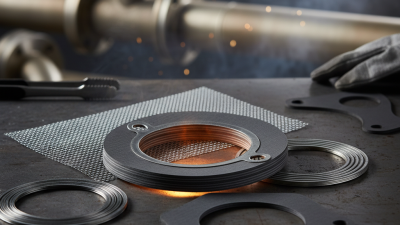
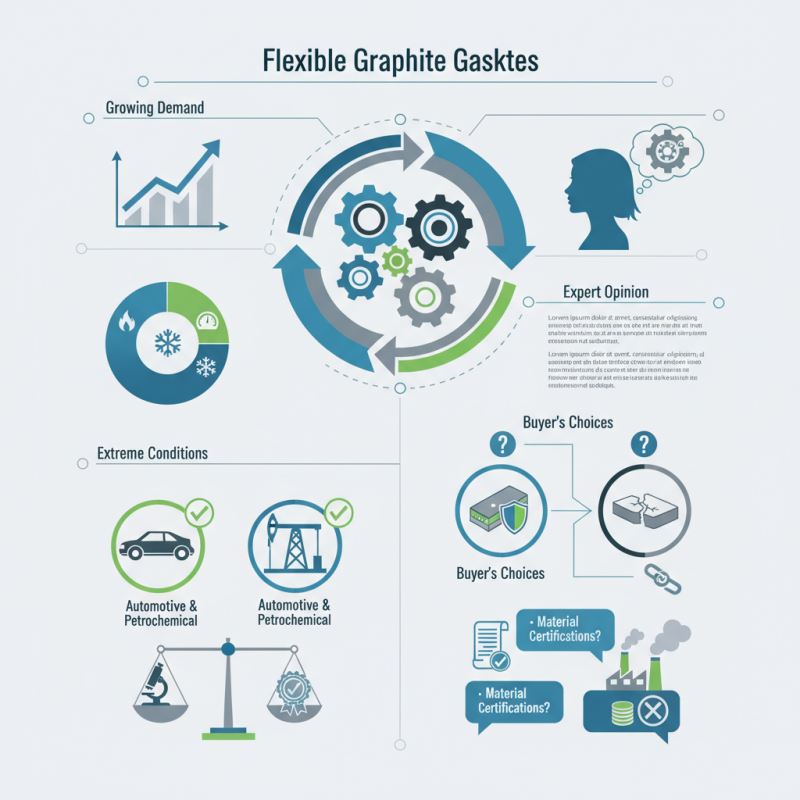
The demand for Flexible Graphite Gaskets is growing rapidly worldwide. As industries increasingly seek materials that withstand extreme conditions, these gaskets have become a focal point. Dr. Emily Chen, a leading expert in gasket technology, once said, "The versatility and resilience of Flexible Graphite Gaskets make them indispensable in modern applications."
Today, buyers are faced with a variety of choices. Flexible Graphite Gaskets differ in quality and performance. Selecting the best option requires an understanding of material properties and potential applications. Many industries, such as automotive and petrochemical, rely on these gaskets for their durability and effectiveness.
However, not all products on the market meet the standards required for critical applications. Some manufacturers prioritize cost over quality. This raises concerns about reliability. As a buyer, identifying reputable suppliers becomes vital. Key questions should be asked: What are the material certifications? How does the manufacturing process ensure reliability? These considerations will differentiate the best Flexible Graphite Gaskets from inferior options.
2026 Flexible Graphite Gasket Market Overview and Trends
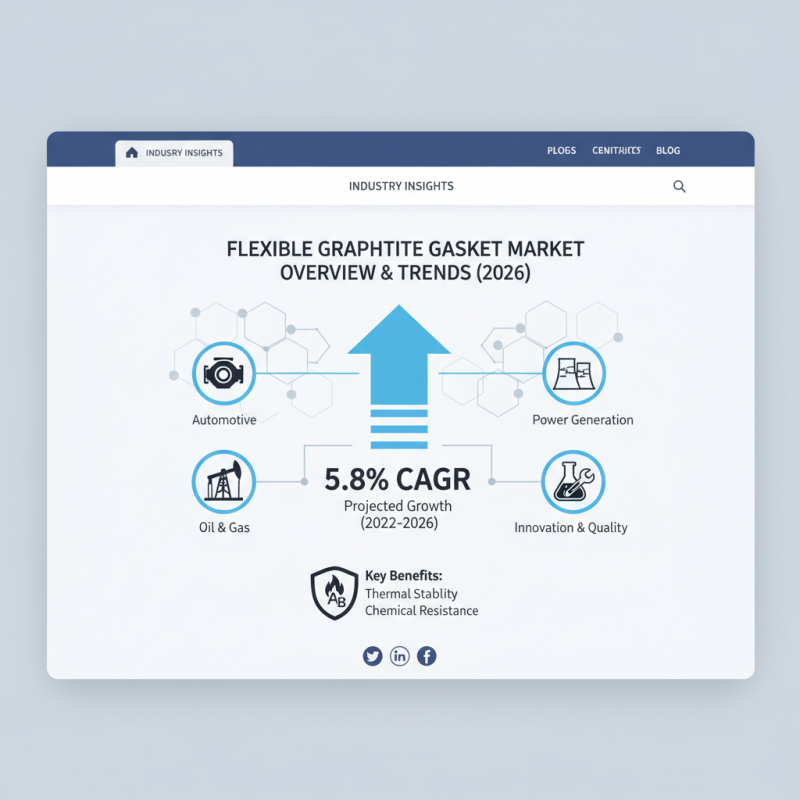
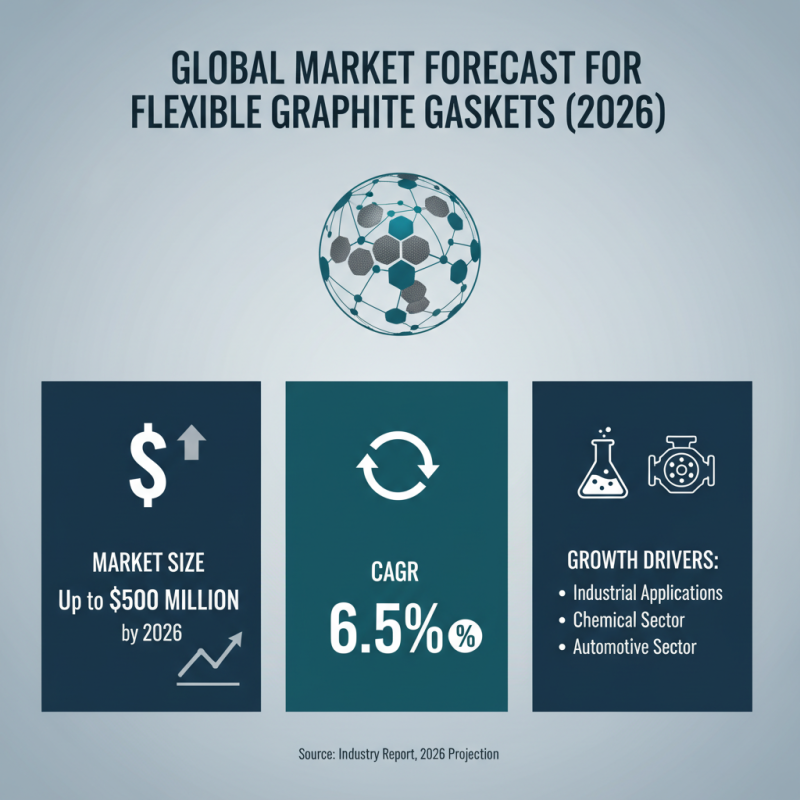
The flexible graphite gasket market is experiencing notable changes as we approach 2026. Recent reports indicate a projected compound annual growth rate (CAGR) of approximately 5.8% during the forecast period. This growth is driven by the increasing demand in industries like automotive, oil and gas, and power generation. Manufacturers are focusing on innovation and quality to stay competitive. Gaskets made from flexible graphite offer excellent thermal stability and chemical resistance, making them a preferred choice across sectors.
Trends suggest a shift towards eco-friendly materials in gasket production. The emphasis is on sustainability, as manufacturers seek to reduce their carbon footprints. Consumer preferences are leaning towards products that not only meet performance standards but also adhere to environmental regulations. However, reliance on traditional graphite sources raises concerns about resource depletion and environmental impact. This dynamic creates a space for companies to explore alternative materials and production methods.
Moreover, buyers are increasingly prioritizing supply chain transparency and product traceability. Today's market shifts reflect a more informed consumer base that values reliable sourcing. Data from industry analyses show that 72% of buyers are willing to pay more for products that demonstrate social responsibility. This trend urges manufacturers to adopt ethical practices, even amidst rising production costs.
Key Properties and Advantages of Flexible Graphite Gaskets
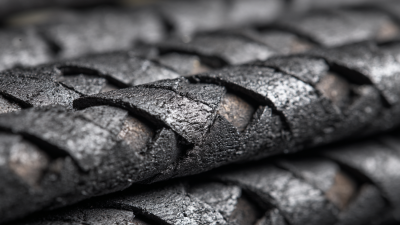
Flexible graphite gaskets are essential in various industries. Their unique properties make them highly sought after by engineers and manufacturers alike. These gaskets can withstand extreme temperatures and pressures, making them suitable for many applications. They provide excellent sealing capabilities and resist corrosion, which is vital in chemical processes.
When selecting a flexible graphite gasket, consider its thermal conductivity. High thermal conductivity helps in heat dissipation. This reduces the risk of thermal failure in critical applications. Flexibility is another key aspect, allowing the gasket to adapt to uneven surfaces.
Tips: Always ensure proper installation. Misalignment can lead to leakage over time. Regular inspections will help identify wear and tear early. This proactive approach can extend the gasket's life significantly. Remember that material quality matters. Investing in the right gasket can save costs in the long run.
These gaskets also stand out for their ability to resist compression set. Unlike some materials, they retain their shape and sealing capability over time. However, not all gaskets perform equally. It's worth considering different manufacturers and materials to find the best fit for your needs. Always check certifications and compliance with industry standards for added assurance.
Applications and Industry Demand for Flexible Graphite Gaskets
Flexible graphite gaskets are gaining significant traction across various industries. According to a recent market analysis, the global demand for these gaskets is projected to grow at a compound annual growth rate (CAGR) of around 5% from 2023 to 2028. Industries such as automotive, aerospace, and oil and gas heavily rely on flexible graphite gaskets to ensure reliable sealing in high-temperature environments. Their exceptional thermal resistance and chemical stability make them ideal for critical applications.
The automotive sector is particularly noteworthy. Increasing regulations on emissions drive manufacturers to seek effective sealing solutions. Flexible graphite gaskets provide improved performance, contributing to vehicle efficiency. Similarly, the oil and gas industry faces challenges from corrosive media and extreme temperatures. Here, flexibility and durability are non-negotiable. Yet, some manufacturers struggle to maintain consistent quality, leading to varying performance levels among products.
While the growth potential is substantial, challenges persist. Not all suppliers adhere to stringent industry standards. This inconsistency can affect the overall effectiveness of flexible graphite gaskets. Buyers must conduct thorough evaluations, focusing on the reliability and traceability of materials sourced. Data suggests that almost 30% of buyers faced issues with gasket failure due to inferior materials. Awareness of these pitfalls can guide decision-making for a more sustainable choice.
2026 Best Flexible Graphite Gasket for Global Buyers? - Applications and Industry Demand for Flexible Graphite Gaskets
| Application |
Industry |
Demand (units/year) |
Growth Rate (%) |
Key Properties |
| Automotive |
Transportation |
500,000 |
5 |
High flexibility, Temperature resistance |
| Power Generation |
Energy |
350,000 |
4.5 |
Chemical resistance, Corrosion resistance |
| Oil & Gas |
Petroleum |
400,000 |
6 |
High thermal conductivity, Sealing capability |
| Chemical Processing |
Manufacturing |
300,000 |
3.5 |
Resistant to aggressive chemicals, High sealing performance |
| Aerospace |
Aviation |
150,000 |
7 |
Lightweight, Leak-proof |
Leading Manufacturers and Suppliers in the Flexible Graphite Gasket Market
In the growing flexible graphite gasket market, leading manufacturers and suppliers are crucial. Their expertise shapes the quality of products available globally. When selecting a flexible graphite gasket, focus on reliability and performance. Quality gaskets can withstand extreme temperatures and pressures, making them essential in various applications.
Tips: Always check certifications and industry standards. This helps ensure you’re getting a trustworthy product. Look for suppliers with a proven track record. Evaluating customer reviews can provide insights into their reliability.
Consider the materials used in manufacturing. High-quality flexible graphite provides excellent sealing capabilities and longevity. However, not every gasket meets these standards. Some may underperform in high-demand situations. Understanding your specific needs will guide your choice effectively.
Evaluating potential drawbacks is vital. Some products may not be suitable for every environment. It's essential to reflect on the operating conditions you'll encounter. This ensures the most effective use of your flexible graphite gasket.
2026 Global Flexible Graphite Gasket Market Analysis