2026 Top Uses of Natural Graphite in Industry and Technology?
Natural graphite is an essential material in various industries. Its unique properties make it a versatile choice in many applications. This article explores the top uses of natural graphite in 2026, highlighting its role in technology and industry.
As the demand for sustainable solutions grows, natural graphite shines. It is used in batteries, lubricants, and various other products. The rise of electric vehicles and renewable energy sources increases its importance. Companies are investing in innovative ways to utilize this resource.
However, the reliance on natural graphite comes with challenges. The environmental impact of mining must be addressed. There are ethical concerns about sourcing practices. As industries embrace natural graphite, reflection on these issues is crucial. This analysis will delve deeper into its applications and the surrounding complexities.
Overview of Natural Graphite Sources and Characteristics
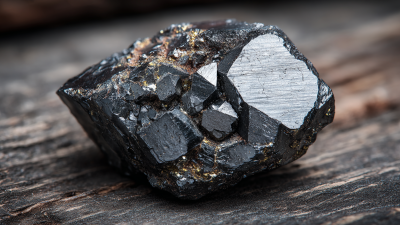
Natural graphite is a critical resource in many industries. It is primarily sourced from metamorphic rocks. These rocks contain high carbon content. As per the US Geological Survey, natural graphite production in 2022 was around 1.2 million metric tons. This highlights the growing demand for graphite across various sectors.
The characteristics of natural graphite make it versatile. It is known for its excellent conductivity and lubricating properties. These traits are essential in applications like batteries and lubricants. A report from MarketsandMarkets predicts the global graphite market will reach $28 billion by 2026. This forecast suggests significant growth fueled by new technologies like electric vehicles.
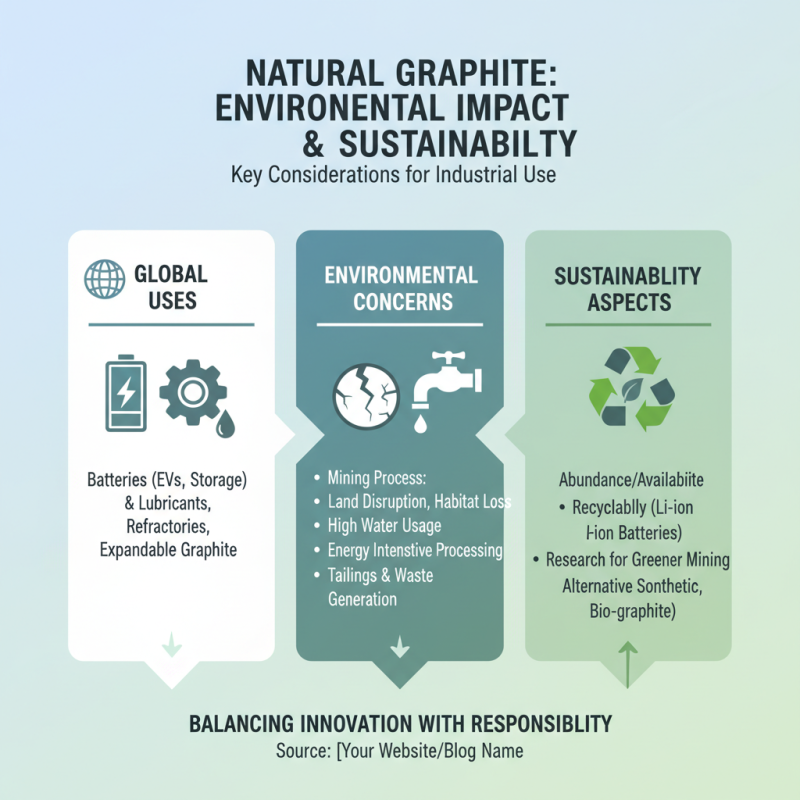
However, the industry faces challenges. The environmental impact of mining is a concern. Many mining operations disrupt local ecosystems. There is a need for sustainable practices. This reflection is crucial as demand increases. The balance between usage and environmental stewardship must be addressed, ensuring future access to natural graphite.
Key Industrial Applications of Natural Graphite in 2026
Natural graphite plays a crucial role in various industries, especially as we look toward 2026. One of the key applications is in the battery sector. The rise of electric vehicles and renewable energy storage systems is driving demand for high-quality graphene. Reports indicate that the battery market will grow by approximately 20% annually. Natural graphite is essential for anodes in lithium-ion batteries. It offers superior conductivity and energy density.
Another significant use is in the lubricants market. Natural graphite is prized for its high thermal stability and low friction properties. In various industrial machines, its application helps in reducing wear and tear. Market analysis suggests that the lubricants industry will require over 1 million tons of natural graphite by 2026. However, sourcing high-purity graphite remains a challenge. There are concerns about environmental impacts and sustainability.
The construction sector is also exploring natural graphite as a component in high-performance materials. Its lightweight and strength enhance construction composites. However, the balance between efficiency and environmental footprint is still under scrutiny. More research is needed to tackle sourcing and production challenges.
Natural Graphite in Energy Storage Solutions and Technologies
Natural graphite emerges as a vital player in energy storage solutions. It plays a significant role in batteries, particularly lithium-ion types. These batteries are commonplace in electric vehicles and portable devices. Graphite serves as the anode material, providing high electrical conductivity. This enhances battery efficiency and longevity. Many researchers believe that advancements in natural graphite processing will further improve performance.
Energy storage technologies continue to evolve. Graphite’s lightweight and high-energy density qualities make it attractive for various applications. For instance, energy from renewable sources can be stored more effectively. This is crucial as the demand for clean energy rises. However, using natural graphite presents challenges. Mining and processing can have environmental impacts. The industry must find a balance between utilization and sustainability.
Innovation is necessary to address these concerns. Developing recycling methods for batteries could help mitigate graphite waste. Companies are exploring alternative sources and synthetic options. However, they still fall short in terms of performance compared to natural graphite. The road ahead is complex and requires collaboration among scientists, manufacturers, and policymakers. Exploring the full potential of natural graphite might just be the key to revolutionizing energy storage.
Emerging Technologies Utilizing Natural Graphite in Electronics
Natural graphite is emerging as a key player in the electronics sector. Its unique properties cater to various applications, such as batteries, capacitors, and conductive inks. Many tech companies are exploring its use in lithium-ion batteries. This shift may help improve energy efficiency and battery life.
The rise of electric vehicles and renewable energy systems increases demand for effective energy storage. Natural graphite enables better performance and reduced costs in these applications. Some challenges remain, like sourcing high-quality graphite sustainably. This could slow down innovation in certain areas.
Researchers are also investigating graphene, a derivative of graphite. Its potential for high-speed electronics is thrilling. However, this technology is still in early stages. There are hurdles in manufacturing and scalability that need addressing. Future advances may unlock significant possibilities in consumer electronics and beyond.