Top Graphite Sheets Manufacturers and Suppliers Worldwide
Graphite Sheets support demanding applications in sealing, thermal management, electrical insulation, and chemical processing. Their performance depends on more than thickness or surface appearance. Material purity, graphite grade, density, compressibility, thermal conductivity, and operating temperature all influence the final result. A reliable supplier should explain these variables clearly.
This guide examines leading Graphite Sheets manufacturers and suppliers across global markets. It considers production capability, quality systems, customization options, certifications, and delivery performance. Practical details matter. A buyer may compare a 0.5-millimeter flexible sheet, a reinforced graphite gasket material, or an expanded graphite sheet for high-temperature service. Each option requires different testing and handling.
Look beyond polished websites. Request batch-specific datasheets, inspection reports, sample pieces, and traceability records. Experienced buyers often check dimensions with calibrated calipers and inspect edges after cutting. Small inconsistencies can affect sealing pressure or installation time. Supplier communication also deserves attention. Clear answers about minimum order quantities, lead times, packaging, and technical support reveal operational reliability.
No supplier fits every application. Some excel at high-purity materials, while others offer faster custom fabrication. Published specifications may not represent every production batch. That point is easy to overlook. Independent validation remains valuable, especially for critical equipment. The companies discussed here are assessed through practical purchasing considerations, documented capabilities, and the information available from their public technical resources. Availability and certifications can change, so readers should confirm current details directly before placing an order.
Graphite Sheets: Composition, Properties, and Industrial Applications
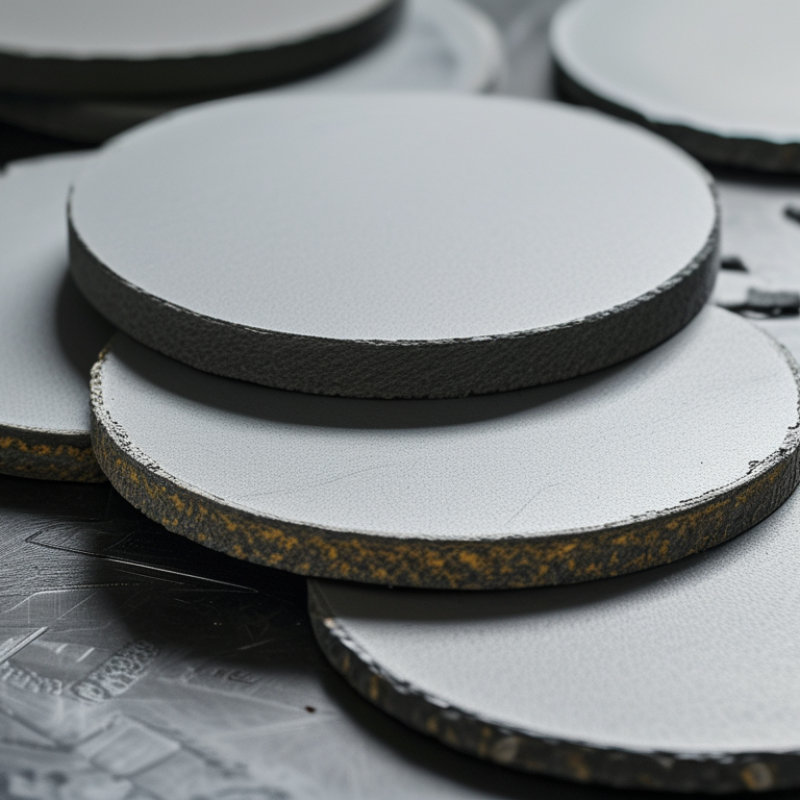
Graphite sheets are engineered carbon films made from natural flake or synthetic graphite. Expanded graphite is compressed into flexible sheets, often reaching 95–99.5% carbon content. Some grades include binders or reinforcing foils.
Their structure explains their performance. Graphite conducts heat strongly across its plane, while resisting heat flow through its thickness. Typical in-plane thermal conductivity ranges from 150 to 400 W/m·K, depending on density and orientation.
Flexible grades also tolerate repeated compression and provide sealing performance at elevated temperatures. They are not universal materials. Oxidation can begin in air at high temperatures, so engineers must check the atmosphere and exposure time.
The USGS Mineral Commodity Summaries 2024 reported approximately 1.6 million metric tons of natural graphite mine production in 2023. This supply supports thermal interface materials, battery components, furnace insulation, chemical seals, and heat spreaders. The International Energy Agency’s Global Critical Minerals Outlook 2024 also identifies graphite as a major growth material for electric-vehicle batteries. That demand may tighten flake availability for sheet production.
A practical specification should include density, ash content, compressibility, recovery, and thermal conductivity. Test results are not perfectly comparable across laboratories. That matters. Installers should also inspect surface damage, bolt loading, and moisture exposure before service.
Key Factors for Evaluating Global Graphite Sheet Suppliers
When evaluating global graphite sheet suppliers, start with the material’s intended working conditions. A sheet for battery thermal management needs different performance than one for furnace sealing. Review graphite purity, density, thermal conductivity, compressibility, and maximum service temperature. Thickness tolerance matters too. A small variation can create uneven contact pressure across a flange.
Request recent technical data, not only a polished product brochure. Reliable suppliers should provide batch numbers, inspection records, and traceable test methods. Check whether reported values follow recognized international standards. Ask for samples from more than one production lot. Measure thickness with a calibrated micrometer, then inspect edges, surface uniformity, and flexibility. It sounds basic. It often reveals more than sales claims.
Manufacturing experience also appears in conversion quality. Confirm whether the supplier can handle die-cutting, adhesive lamination, or custom sealing profiles. Review packaging before shipment. Graphite sheets can crease, chip, or absorb contamination when poorly protected. Delivery history, export documentation, and responsive technical support deserve equal attention. A low quotation may hide unstable quality or costly rework. Still, no supplier is perfect. Test results can vary with pressure, temperature, and equipment. I would record those conditions carefully and compare suppliers using the same procedure. A transparent supplier will discuss limitations instead of promising every specification without qualification.
Product Types, Customization Options, and Quality Standards
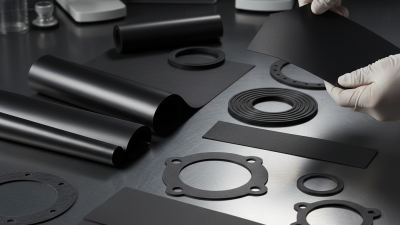
Graphite sheets serve different sealing and thermal needs. Flexible graphite sheets suit valve packing and high-temperature gaskets. Expanded graphite offers strong compressibility and recovery. Laminated sheets add reinforcement for demanding pressure cycles. Conductive grades support heat spreading and electrical grounding. Each type behaves differently during cutting, compression, and installation.
Customization often begins with thickness, width, length, and density. Suppliers may adjust graphite purity, foil reinforcement, adhesive backing, or surface treatment. Some projects need die-cut rings, drilled holes, or narrow rolls. A practical specification should state operating temperature, pressure, media exposure, and contact materials. Small details matter. An incorrect density can cause leakage, even when dimensions appear accurate.
Reliable manufacturers document batch traceability and inspect every production stage. Common checks include thickness tolerance, ash content, tensile strength, compressibility, recovery, and sealing performance. ISO-based quality systems can improve consistency, while ASTM or equivalent methods clarify test results. RoHS and REACH declarations may also support responsible material selection. However, a certificate alone proves little. Buyers should request recent test data, sample approval, and clear acceptance limits. In my experience, rushed customization creates avoidable defects. The specification sometimes needs revision after real assembly trials.
Graphite Sheet Product Types: Typical Commercial Thickness Ranges
Flexible graphite, graphite foil, graphite/PTFE composite, and fiber-reinforced graphite sheets are commonly supplied in different thickness ranges. The values shown are representative industry ranges rather than universal specifications; final dimensions, density, compressibility, recovery, sealability, creep relaxation, and fluid resistance should be verified against the supplier’s technical data and applicable test methods such as ASTM F104, ASTM F36, ASTM F37, ASTM F38, and ASTM F146.
Procurement, Pricing, and Supply Chain Considerations Worldwide
Buying graphite sheets globally requires more than comparing quoted prices. Procurement teams should confirm graphite grade, thickness tolerance, density, thermal conductivity, and compression behavior. A 0.05 mm variation can affect sealing performance in high-temperature equipment. Ask suppliers for recent inspection records, batch traceability, and test methods. Small details matter.
The U.S. Geological Survey reported approximately 1.6 million metric tons of natural graphite mine production worldwide in 2023, with supply heavily concentrated in a few countries. The International Energy Agency also noted in 2024 that graphite refining and anode-material production remain highly concentrated. This creates exposure to export controls, port congestion, and sudden freight changes. Dual sourcing is sensible, but it may raise qualification costs and extend approval schedules. That trade-off is often underestimated.
Pricing should be evaluated on delivered cost, not the factory quotation alone. Include graphite grade, machining, packaging, insurance, duties, inland transport, and inspection fees. Request a clear formula for raw-material adjustments and currency changes. Industry price assessments can support negotiations, but they may not match specialty sheet specifications. I would also avoid relying on one annual forecast. Demand estimates change, and supplier capacity statements are not always independently verified. Build safety stock around actual consumption and regional lead-time data. Mistakes happen.