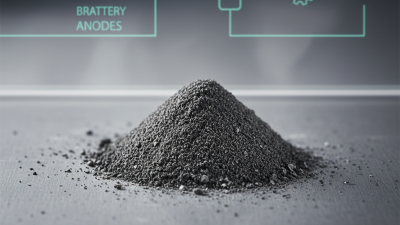
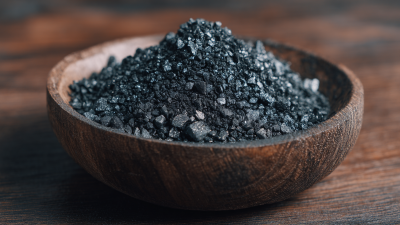
Sourcing quality Natural Graphite Powder is essential for various industries. It offers unique properties that enhance performance in applications like batteries, lubricants, and construction materials. However, not all graphite powders are created equal. Understanding the key factors for sourcing is crucial.
First, consider the source of the graphite. It’s vital to choose suppliers with a reputation for quality. Researching manufacturers can provide insights into their processing methods and quality control measures. Reviews and testimonials from other users can also guide you. Quality should never be compromised, even if it might be tempting to chase lower prices.
Additionally, clarity in specifications is important. Different applications require different grades of Natural Graphite Powder. Knowing your needs in advance can save time and resources. Often, potential buyers overlook these nuances. Reflecting on your requirements can greatly affect performance. Ultimately, ensuring that you procure high-quality material necessitates careful consideration and due diligence.
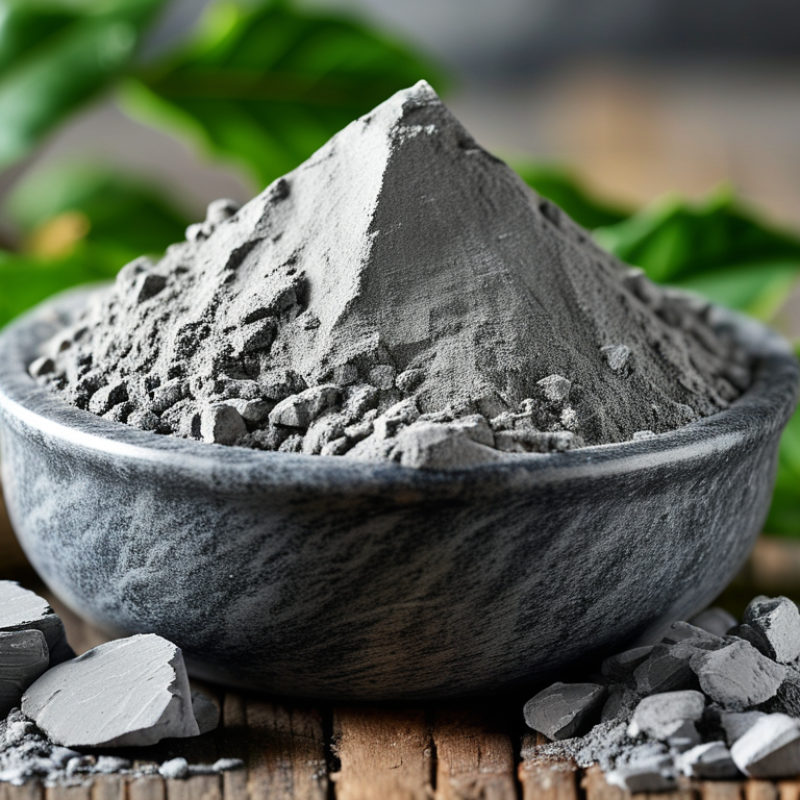
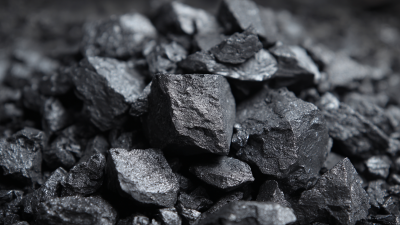
Understanding the types of natural graphite powder is essential for various applications. Natural graphite can be classified into three primary forms: flake, lump, and amorphous. Each type has unique properties and uses that cater to specific needs.
Flake graphite is known for its high conductivity and purity. It is often used in batteries and lubricants. Its distinct layers can enhance performance in several applications. However, sourcing high-quality flake graphite can be challenging. Variability in particle size and quality exists among suppliers.
Lump graphite, on the other hand, is typically used for larger applications, like foundry and crucibles. Its structure allows for effective thermal and electrical conductivity. However, determining the appropriate grade can be difficult.
Amorphous graphite is less conductive but is used in applications requiring lower purity levels. It often serves in various industrial products. Observing the specific requirements of your project can help in choosing the right type. Always verify the supplier's reliability and quality standards before making a purchase. Selecting the wrong type may lead to performance issues and costly mistakes.
When sourcing natural graphite powder, quality is essential for your needs. The key characteristics to evaluate include purity, particle size, and consistency. Purity directly impacts performance, especially in industrial applications. Look for graphite with a high carbon content. Low impurities can lead to better efficiency in your processes.
Particle size is another critical factor. A finer particle size often provides better conductivity and packing density. However, this might not always be necessary. Assess your specific application requirements. The balance between particle size and purity can affect both performance and cost.
Consider the supplier’s reliability. A trustworthy supplier should provide detailed specifications and certificates of analysis. Regular quality checks are vital. You might find variations in batches, so ensure the supplier maintains consistent quality control.
Quality is not just a checklist. It requires ongoing communication with your supplier. Sometimes, issues may arise in production that impact graphite quality. Being aware of these factors can save time and resources. Reflect on your needs and adapt your sourcing strategy accordingly.
Identifying reliable suppliers for natural graphite powder is crucial for various industries. Graphite plays a vital role in sectors like batteries, lubricants, and steel manufacturing. According to recent industry data, the global natural graphite market is projected to reach $4 billion by 2026. This growth emphasizes the importance of sourcing quality materials.
When searching for suppliers, prioritize those with a strong industry reputation. Look for companies that have been in the market for several years. Assess their transparency and communication practices. Authentic suppliers often provide detailed specifications regarding their products. Inquire about the source of their graphite and request samples for evaluation.
Also, consider geographical locations of suppliers. Proximity can impact shipping times and costs. Suppliers situated near major industrial hubs often have the advantage of reduced logistics challenges. Verify their certifications. Reliable suppliers usually adhere to industry standards, ensuring their graphite powder meets specific quality requirements.
Observe how suppliers handle inquiries. Responsive and knowledgeable customer service can be an indicator of reliability. Additionally, engaging in industry forums may provide insights about potential suppliers. Be cautious of those making overly aggressive claims about product quality. Your experience in collaboration is as important as the graphite itself.
| Supplier Quality Rating | Graphite Purity (%) | Particle Size (Microns) | Price per Ton (USD) | Delivery Time (Days) |
|---|---|---|---|---|
| A | 95 | 10 | 1500 | 30 |
| B | 98 | 5 | 1800 | 45 |
| C | 90 | 15 | 1200 | 25 |
| D | 92 | 20 | 1600 | 35 |
In recent years, the natural graphite market has shown fluctuating pricing trends.
As reported by market analysts, natural graphite prices increased by approximately 20% from 2021 to 2022.
This rise is largely attributed to growing demand in the battery and automotive sectors.
According to a recent study by industry experts, electric vehicle (EV) production alone could boost graphite demand by over 60% by 2025.
Despite this upward trend, the market remains volatile. Prices can vary significantly based on factors like purity and origin.
For example, high-purity graphite sold for around $2,200 per ton, while lower-grade options linger around $1,200 per ton.
Understanding these nuances is essential for sourcing quality graphite powder.
Buyers must remain vigilant about market conditions and potential price shifts.
Companies often navigate this complexity without comprehensive data sources.
Many rely on outdated information that may misrepresent current prices.
Gathering reliable insights from reputable market reports is crucial.
Engaging in platforms that offer real-time analytics can better inform purchasing decisions.
However, even expert analyses can be limited, leaving room for uncertainty in projections.
It’s vital to maintain a flexible sourcing strategy to adapt to the ongoing market changes.
When sourcing natural graphite powder, consider the quality and origin. Quality varies significantly among suppliers. Conducting a thorough evaluation is crucial for your application. Start by requesting samples from multiple suppliers. Analyze these samples for purity, particle size, and other relevant properties. Visual inspections may reveal inconsistencies. However, lab testing provides more reliable data.
Testing methodologies vary. Use standardized tests to obtain objective results. Compare findings to industry benchmarks. It's essential to document the results meticulously. Communication with suppliers can also shed light on sourcing practices. Many suppliers might not disclose their sourcing environment, requiring you to ask pointed questions. Exploring their supply chain transparency can help ensure the quality of the product.
Don’t overlook the importance of sustainability. Ethical sourcing not only contributes to product quality but also aligns with consumer values. Reflect on how your sourcing choices impact the environment. You might face challenges when balancing cost and quality. Prioritizing sustainable practices could lead to higher initial expenses, yet may yield long-term benefits. Remember, the right choice in graphite sourcing supports innovation and responsibility.