Top Uses of Natural Graphite Powder in Modern Industries?
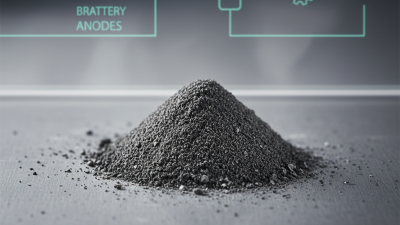
Natural Graphite Powder has become essential in various modern industries, from electronics to advanced materials. Dr. Emily Carter, a leading expert in materials science, highlights its significance by stating, “Natural Graphite Powder is at the forefront of innovation across several sectors.” This versatile material offers unique properties, making it invaluable in applications like batteries, lubricants, and thermal management systems.
The demand for Natural Graphite Powder has surged, driven by the renewable energy sector. Companies are increasingly relying on its exceptional conductivity for electric vehicle batteries. However, the supply chain poses challenges. Mining practices must evolve to support sustainable production. Additionally, industries are exploring innovative uses that go beyond traditional applications.
Despite its benefits, reliance on Natural Graphite Powder raises environmental questions. The extraction process can impact local ecosystems. Thus, it is crucial for stakeholders to address these concerns. Balancing economic growth with ecological responsibility is not easy. Yet, the future of Natural Graphite Powder hinges on our ability to innovate responsibly.

Key Properties of Natural Graphite Powder that Drive Industrial Applications
Natural graphite powder possesses unique properties that enhance its application in various modern industries. Its thermal and electrical conductivity makes it ideal for use in electronics and batteries. According to market research, the global demand for graphite is projected to reach 5.4 million metric tons by 2026, reflecting its growing importance. Its high lubricating properties also make it a preferred choice in the automotive industry, especially in the production of brake linings and lubricants.
One key feature of natural graphite powder is its layered structure, allowing for efficient performance in applications such as steel manufacturing and foundry operations. This property not only boosts production efficiency but also reduces energy consumption, contributing to sustainability efforts. However, sourcing natural graphite sustainably poses challenges. The mining process can impact local ecosystems, necessitating careful management and innovation. Recent studies emphasize the need for improvements in the mining technology to minimize ecological disruption.
In the realm of construction, graphite is increasingly used in fire-resistant materials due to its thermal stability. A report highlights that this segment alone could grow by 8% annually, driven by rising safety regulations. However, the variability in quality among different natural graphite sources raises concerns about consistency in performance. Continuous research is vital to enhance the understanding of these properties and their implications across industries.
Common Industries Utilizing Natural Graphite Powder in Their Processes
Natural graphite powder has found its way into diverse industries, playing a vital role in various applications. The automotive industry utilizes this material for brake linings and lubricants.
Graphite powder enhances the performance, ensuring reliable and smooth operation. It helps reduce friction, prolonging the lifespan of components. This is critical for parts exposed to high temperatures.
In the electronics sector, natural graphite powder serves multiple functions. It is used in the production of batteries and conductive materials. The powder improves conductivity, making it essential for efficient energy transfer. Many manufacturers prioritize graphite for its reliability and performance. However, sourcing high-quality graphite remains a challenge.
The construction industry also benefits from natural graphite powder. It is often added to cement and other building materials. This enhances durability and resistance to weathering. While there are advantages, not all graphite sources meet standard quality requirements. Ensuring consistent quality is crucial for projects demanding high-performance materials.
Innovative Applications of Natural Graphite Powder in Energy Storage Solutions
Natural graphite powder plays a pivotal role in energy storage solutions, particularly in batteries. Its unique properties enhance the performance and lifespan of various energy storage systems. For example, in lithium-ion batteries, graphite serves as the anode material. This choice is due to graphite's excellent electrical conductivity and intercalation capabilities. Enhancing anode performance is crucial as it directly affects battery capacity and charge rates.
Another innovative application is in supercapacitors. Graphite powder allows for rapid energy discharge and high power density. This makes it suitable for applications needing quick bursts of energy. The use of natural graphite in these devices raises questions about sustainability. Mining and processing can lead to environmental concerns. Innovations in recycling and sustainable sourcing could address this issue.
Natural graphite is also explored in emerging technologies like solid-state batteries. These batteries promise greater energy density and safety. As these applications advance, more research is required. Each step forward can unravel new challenges, including cost, scalability, and environmental impact. The journey of integrating graphite in energy solutions continues to evolve, necessitating ongoing reflection and adaptation.
Natural Graphite Powder's Role in Lubricants and Coatings Technologies
Natural graphite powder has emerged as a crucial ingredient in lubricant and coating technologies. The unique properties of graphite, such as high thermal conductivity and low friction, make it an ideal choice for various industrial applications. According to a report by the International Graphite Association, the global market for graphite-based lubricants is expected to reach $4.2 billion by 2025, highlighting the growing significance of this material in industrial settings.
These lubricants often utilize graphite powder to enhance performance in extreme conditions. The powder acts as a solid lubricant, reducing wear and tear in mechanical systems. For instance, in automotive applications, graphite helps improve the efficiency of engines by minimizing friction. This aspect is particularly important since friction loss can account for up to 15% of fuel inefficiency in vehicles. The ability to maintain effectiveness at both high temperatures and pressures showcases the versatility of natural graphite in coatings and lubricants.
Moreover, the environmental benefits of natural graphite cannot be overlooked. Its use in eco-friendly coatings is gaining traction. Companies are increasingly seeking sustainable alternatives to traditional lubricants. However, the sourcing and processing of natural graphite still raise questions about sustainability and environmental impact. Manufacturers must critically assess their supply chains to ensure they adhere to ethical practices while meeting market demands. This balance between performance and responsibility is essential for the future of graphite applications in industry.
Top Uses of Natural Graphite Powder in Modern Industries
| Industry |
Application |
Benefits |
| Automotive |
Lubricants for engines and gears |
Reduce friction and wear |
| Construction |
Coatings for water proofing and insulation |
Enhance durability and protection |
| Electronics |
Conductive materials in batteries |
Improve electrical conductivity |
| Chemical |
Additives in industrial lubricants |
Enhance performance under extreme conditions |
| Aerospace |
High-temperature lubricants |
Ensure reliability in critical applications |
Environmental Considerations and Sustainability of Natural Graphite Powder Use
Natural graphite powder is increasingly utilized in various industries for its exceptional properties. However, its production raises significant environmental concerns. Miners extract graphite through methods that can damage local ecosystems. Furthermore, the energy-intensive processing may lead to increased carbon emissions. A study by the International Energy Agency notes that mining activities can produce a carbon footprint of approximately 1.3 tons per ton of graphite.
Sustainability is a cornerstone for future graphite use. Embracing practices such as recycling existing graphite can mitigate environmental impacts. For instance, the circular economy model encourages repurposing graphite from batteries and lubricants. This not only reduces waste but also lowers the demand for new graphite extraction. According to a report from the Global Graphite Association, adopting recycling could reduce the need for mining by up to 15% by 2030.
Tips: Always consider the origins of graphite powder. Choose suppliers with clear sustainability commitments. Moreover, consider employing alternative materials when possible. As the industry evolves, questioning current practices will be essential in promoting environmental stewardship. Ensuring responsible sourcing isn’t just about compliance; it’s about creating a healthier planet for future generations.