5 Best Flexible Graphite Sheet Manufacturers Worldwide?
Flexible Graphite Sheet is a quiet material with demanding responsibilities. It seals flanges, protects heat-sensitive equipment, and supports reliable performance in chemical, automotive, energy, and industrial systems. Its thin profile can look simple. The manufacturing process is not.
A useful industry perspective comes from Dr. Peter Thrower, a respected carbon-materials researcher: “Graphite performance depends on structure, purity, and processing.” That principle matters when comparing the world’s leading manufacturers. Expansion ratio, carbon purity, density, compressibility, recovery, oxidation resistance, and thickness consistency can change how a sheet performs under pressure and heat. Certification also matters, especially for applications involving fuel, steam, chemicals, or electrical equipment.
This guide examines five established Flexible Graphite Sheet manufacturers worldwide. It considers production capability, technical development, quality systems, customization, application experience, and supply reliability. The list is not absolute. Regional strengths, changing prices, and project-specific requirements can alter the best choice. A supplier with excellent sealing technology may not offer the fastest delivery. Another may provide competitive pricing but limited testing data.
Real purchasing decisions need more than reputation. Buyers should request material specifications, test reports, batch traceability, and application guidance. Samples can reveal handling issues that brochures miss. Small details matter. A sheet that looks perfect may compress unevenly during installation. That weakness deserves attention, not polite approval. This comparison aims to support a more careful and evidence-based selection process for engineers, distributors, and industrial buyers.
Flexible Graphite Sheets: Structure, Properties, and Industrial Uses
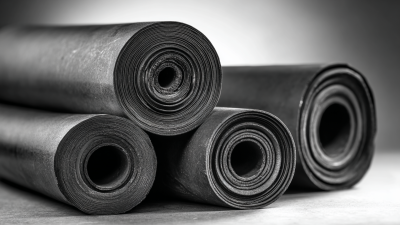
Flexible graphite sheets are made from natural graphite flakes that are expanded and compressed without conventional binders. Under magnification, their structure resembles stacked, wrinkled scales. These layers slide easily, giving the sheet unusual flexibility and compressibility. Graphite also conducts heat and electricity efficiently. It resists many chemicals and remains stable across broad temperature ranges.
Performance depends on more than thickness. Density, ash content, tensile strength, recovery, and surface uniformity affect sealing reliability. A dense sheet may resist leakage better, while a softer grade can follow rough flange surfaces. However, the laboratory picture can be too neat. Oxidation becomes a concern in oxygen-rich environments, especially during prolonged high-temperature service. Product data should include test methods, not only attractive numerical values.
Industrial users apply flexible graphite in pipe gaskets, valve packing, heat exchangers, furnace components, and thermal interface assemblies. In battery and electrical equipment, its conductivity can help manage heat, but insulation requirements must be checked carefully. When comparing manufacturers worldwide, engineers should examine raw-material traceability, thickness tolerance, roll consistency, cleanliness, and batch testing. Small edge cracks can become serious during die cutting. Hands-on trials remain valuable. A sheet that performs well in one flange design may compress poorly in another. Experienced suppliers usually provide technical guidance, sample testing, and clear storage instructions, rather than treating one specification as suitable for every application.
How the Five Leading Manufacturers Are Evaluated
5 Best Flexible Graphite Sheet Manufacturers Worldwide?
How the Five Leading Manufacturers Are Evaluated
Evaluating five leading flexible graphite sheet manufacturers requires more than comparing prices. The review begins with material purity, graphite expansion quality, sheet density, and thickness tolerance. These factors influence sealing performance under heat, pressure, and vibration. Each manufacturer should provide clear technical data, batch records, and practical test results. Traceability matters.
Production experience also reveals important differences. Experienced teams usually control calendering pressure, surface finish, and dimensional stability more consistently. Samples should be tested at several thicknesses, not only the most attractive option. A reliable evaluation checks thermal conductivity, compressibility, recovery, leakage resistance, and oxidation behavior. Testing conditions must be stated clearly.
Supply capability forms another part of the assessment. Reviewers examine production capacity, custom sizing, packaging, lead times, and communication during technical changes. A useful supplier can explain why a sheet performs differently in steam, oil, or high-temperature equipment. Certifications help, but they are not complete proof. A polished document cannot replace independent inspection or application trials. No scorecard is perfect. Field conditions often expose weaknesses that laboratory tests miss. Even strong manufacturers may show uneven results between batches, especially when specifications are broad. The fairest evaluation combines factory evidence, sample testing, customer experience, and honest discussion of limitations.
Profiles of Five Top Flexible Graphite Sheet Manufacturers
Profiles of Five Top Flexible Graphite Sheet Manufacturers
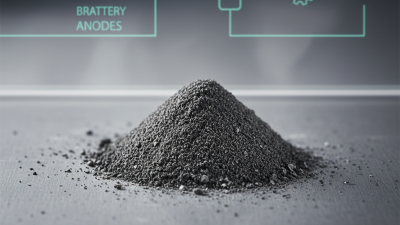
The global flexible graphite sheet market is expanding with demand from batteries, seals, heat spreaders, and industrial insulation. Grand View Research reports that the broader graphite market should grow at a mid-single-digit rate through 2030. USGS data also recorded about 1.6 million metric tons of natural graphite mine production in 2023. Material quality starts there, but processing decides performance.
The first leading manufacturer focuses on high-purity expanded graphite for battery and thermal applications. Its sheets typically show clean surfaces, controlled density, and consistent thickness. The second specializes in laminated sheets, adding metal foils for stronger handling around flanges and pumps. The third targets automotive sealing, where compression recovery matters more than appearance. The fourth supplies custom-cut parts, including narrow rings and complex gaskets made for repeated assembly. The fifth emphasizes large-format production for heat-management systems, where flatness and thermal conductivity must remain stable.
MarketsandMarkets identifies thermal management as a major growth area, driven by compact electronics and electric vehicles. That pressure favors suppliers with reliable testing, not impressive brochures. Buyers should request density, ash content, compressibility, recovery, and temperature data. Ask for lot traceability, too. A small variation can cause leakage.
Rankings remain imperfect. Public reports often group flexible graphite with wider graphite or sealing-material categories. Therefore, a practical comparison should include test samples, production capacity, lead time, and technical support. A sheet that performs well in a laboratory may wrinkle during installation. That detail is easy to overlook.
Product Comparison: Grades, Standards, Capacity, and Customization
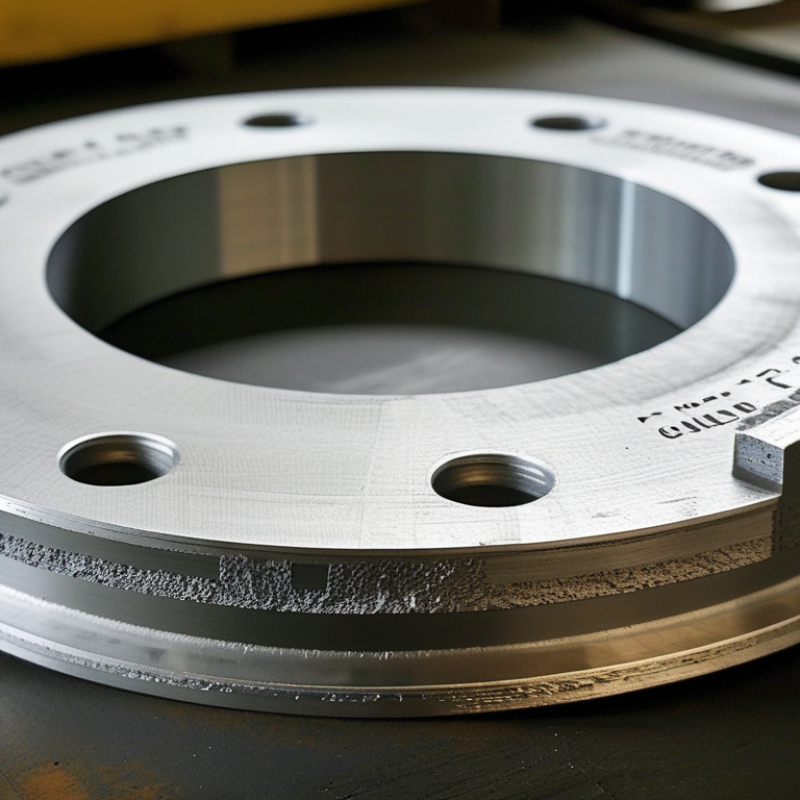
Choosing the five best flexible graphite sheet manufacturers worldwide requires more than comparing prices. Product grades reveal how each supplier handles real sealing conditions. Standard graphite sheets suit general flange applications, while reinforced grades resist blowout and mechanical damage. Expanded graphite with metal inserts can support higher pressure systems. Check graphite purity, density, compressibility, recovery, and temperature limits. These details matter more than a polished catalogue.
Reliable manufacturers should provide test data linked to recognized methods, such as ASTM F104, ASTM F36, ASTM F38, or EN 13555, where applicable. Certification to ISO 9001 can support process control, but it does not replace product testing. Ask for batch traceability, inspection records, and samples from current production. A data sheet may look convincing. It can still hide inconsistent thickness or weak recovery.
Capacity also deserves practical comparison. Review monthly output, maximum sheet width, thickness range, and lead times during peak demand. Customization may include die-cut gaskets, adhesive backing, metal reinforcement, surface treatments, and special dimensions. Confirm tolerances before approval. Some suppliers accept custom drawings but lack stable tooling control. That is a warning sign. From hands-on evaluation, the best choice is usually the manufacturer that balances repeatability, documented standards, and responsive technical support, not simply the largest facility. Even experienced buyers should recheck assumptions after pilot testing.
How to Select the Right Manufacturer for Your Application
Selecting among five global flexible graphite sheet manufacturers requires more than comparing prices. Ask for graphite purity, density, thickness tolerance, compressibility, recovery, and oxidation resistance. A reliable supplier provides batch reports and clear test methods. Request samples matching your application, not generic catalog pieces. Check sealing performance near 300°C, or your actual operating temperature. Small differences matter.
Review production experience in your industry. A manufacturer serving chemical pumps may understand flange stress better than a general gasket producer. Confirm cutting accuracy, adhesive options, reinforcement choices, and minimum order quantities. Visit the factory virtually or in person when practical. Observe raw-material storage, calendering controls, and final inspection. Certifications help, but they do not replace evidence. Ask how failures are investigated and documented.
Communication is a practical test. Can engineers explain why a 0.5 mm sheet suits your flange, or why it does not? Check lead times, packaging, export records, and technical response after delivery. I once treated a low quotation as the best option; freight delays erased the savings. That judgment was incomplete. Compare total ownership cost, including downtime and replacement labor. A strong manufacturer welcomes difficult questions and admits limits. No checklist is perfect. Keep a small trial batch, record torque, leakage, and surface condition, then decide with measured evidence.