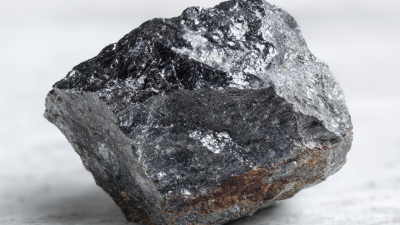
Why is Natural Graphite Important for Modern Technology?
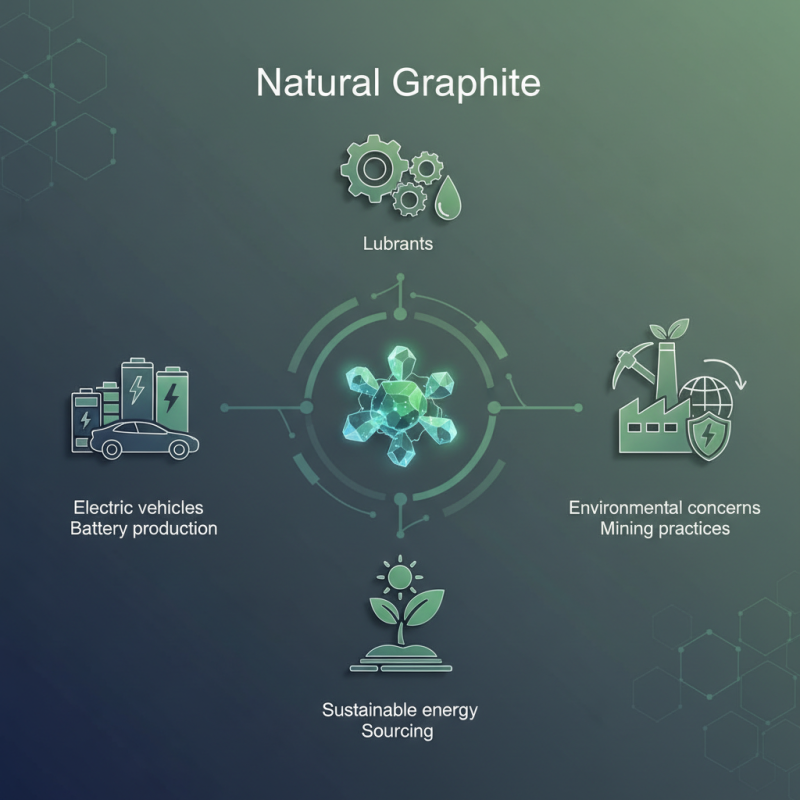
Natural Graphite is gaining attention in the modern technological landscape. It plays a crucial role in various applications. From batteries to lubricants, its versatility is impressive.
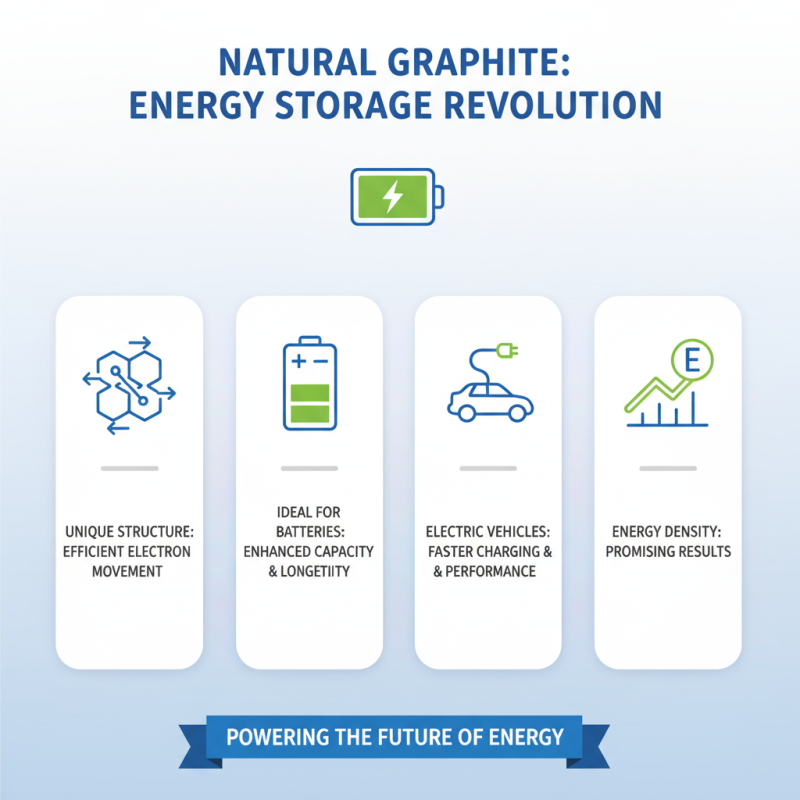
In the world of electric vehicles, Natural Graphite is essential for battery production. These batteries rely on its unique properties for efficiency. As the demand for renewable energy rises, so does the need for Sustainable Natural Graphite sourcing.
However, the supply chain for Natural Graphite faces challenges. Environmental concerns and mining practices are under scrutiny. Finding a balance between technology and sustainability is vital for future advancements. This highlights the need for responsible sourcing and innovation in the industry.
The Role of Natural Graphite in Battery Technology
Natural graphite plays a crucial role in modern battery technology. Its unique properties make it ideal for use in lithium-ion batteries, which power smartphones, laptops, and electric vehicles. According to a recent report by *Research and Markets*, the global battery market for natural graphite is projected to reach over $4 billion by 2025.
One key advantage of natural graphite is its high electrical conductivity. This feature allows for efficient energy storage and transfer. In fact, natural graphite can enhance battery life by up to 30% compared to synthetic alternatives. However, mining and processing graphite raise environmental concerns. Reports indicate that nearly 90% of graphite supply comes from mining, which can result in habitat destruction and pollution.
Despite the advantages, challenges remain. The increasing demand for electric vehicles has put pressure on natural graphite resources. The World Economic Forum estimates that by 2030, demand could exceed supply by 2 million tons. This scenario highlights the need for sustainable practices and recycling innovations. Addressing these issues is vital for ensuring the future viability of natural graphite in battery technology.
Applications of Natural Graphite in Electronics
Natural graphite plays a crucial role in the electronics sector. Its unique properties make it a preferred material for various applications. For instance, graphite is commonly used in lithium-ion batteries. These batteries power smartphones, laptops, and electric vehicles. The conductivity of natural graphite enhances battery performance significantly.
Moreover, natural graphite is essential in making specialized electronic components. It is used in the production of conductive inks. These inks are vital for creating flexible and printed electronic devices. They allow for the development of innovative technology, such as wearable devices.
However, sourcing natural graphite sustainably remains a challenge. Another interesting application is in thermal management. Graphite can efficiently transfer heat. This property is crucial in preventing overheating in electronic devices. Certain devices risk malfunctioning if heat is not managed well. Continuous research is needed to improve graphite's efficiency and sustainability in these applications. The journey of graphite in technology is still unfolding.
Environmental Impact and Sustainability of Natural Graphite
Natural graphite plays a crucial role in modern technology. However, its extraction raises significant environmental concerns. Mining activities often lead to habitat destruction. They can also result in water pollution and soil degradation. These impacts can be hard to mitigate.
Tips: Consider exploring alternatives. Research methods to reduce the ecological footprint of graphite production. This can include recycling and sustainable mining practices.
The processing of natural graphite poses more challenges. The energy required for refining is substantial. Moreover, improper disposal of waste can harm local ecosystems. It's important to consider these factors when advocating for graphite use.
Tips: Support companies that prioritize eco-friendly practices. Always ask about their sourcing methods. Consumer awareness can drive change in the industry.
Why is Natural Graphite Important for Modern Technology? - Environmental Impact and Sustainability of Natural Graphite
| Aspect |
Description |
Environmental Impact |
Sustainability Initiatives |
| Battery Production |
Natural graphite is a key component in lithium-ion batteries. |
Mining can lead to habitat destruction and pollution. |
Recycling batteries to recover graphite is increasingly common. |
| Electronics |
Used in conductive materials for electronic devices. |
0.8% of graphite mining sites cause significant soil damage. |
Sourcing from sustainable mines and ethical guidelines. |
| Refractory Materials |
Essential for high-heat applications in steel production. |
Emissions from furnaces can impact air quality. |
Implementing cleaner technologies in production. |
| Lubricants |
Used as a dry lubricant and in grease formulations. |
Potential chemical runoff from production sites. |
Focus on biobased and eco-friendly formulations. |
Future Trends in Natural Graphite Utilization and Supply
Natural graphite plays a crucial role in various technologies, especially in battery production, electronics, and lubricants. The demand for natural graphite has surged recently, fueled by the rise of electric vehicles (EVs). Reports indicate that the global demand for graphite in the battery sector is expected to reach 2.3 million metric tons by 2030. This shift highlights the pressing need for sustainable graphite sourcing.
Looking ahead, the supply side faces challenges. As per industry forecasts, graphite supply may struggle to keep pace with the skyrocketing demand. Many deposits are located in politically sensitive regions, risking supply chain disruptions. Furthermore, the mining process has environmental implications, which is an ongoing point of concern. Transitioning to more sustainable mining practices is essential, yet it remains an arduous task.
Technological advancements are also shaping future trends. Innovations in recycling processes could reclaim up to 95% of graphite from used batteries. However, the infrastructure for such recycling is still developing. As the industry grapples with these challenges, it may lead to increased prices and even shortages. Preparing for these scenarios is critical for manufacturers and consumers alike.
Natural Graphite Demand and Supply Trends (2023-2025)