How to Choose the Right Graphite Thermal Sheet for Your Needs?
Choosing the right Graphite Thermal Sheet can significantly impact thermal management in various applications. According to Dr. Alex Carter, a leading expert in thermal materials, “Selecting the right thermal sheet is critical for efficiency and performance.” The right choice ensures effective heat transfer while minimizing thermal resistance.
Knowing the diverse range of Graphite Thermal Sheets available is essential. Each type is designed for specific needs and environments. Some offer high thermal conductivity, while others emphasize flexibility and ease of application. Understanding these differences is crucial for engineers and developers.
However, making an informed choice is not always straightforward. Misunderstanding the specifications or application requirements can lead to inefficiencies. Evaluating your thermal needs accurately could be challenging without adequate knowledge. This complexity reinforces the importance of expert advice and thorough research in selecting the ideal Graphite Thermal Sheet for your application.
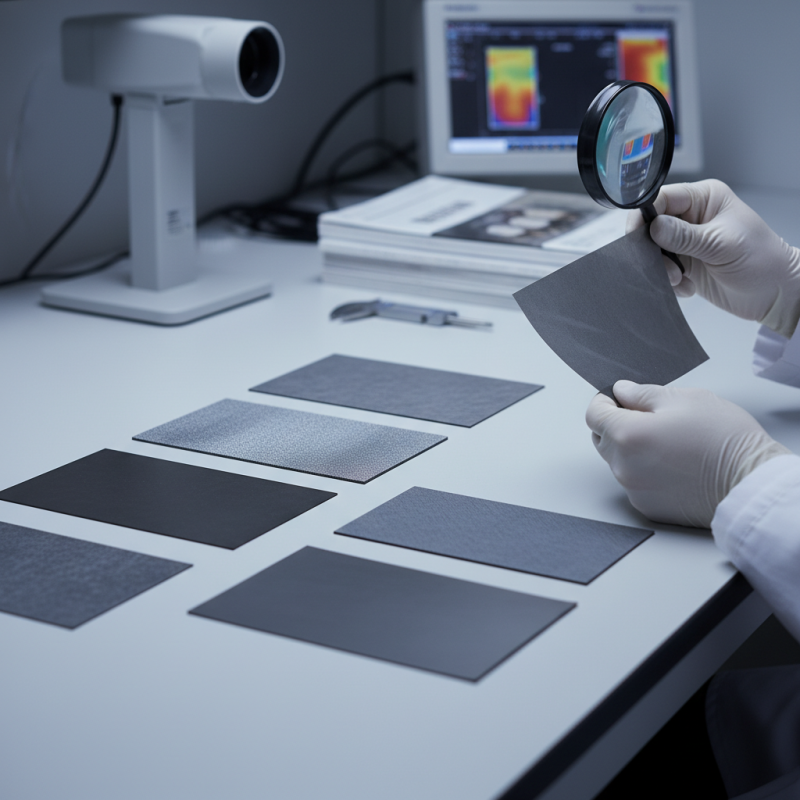
Understanding Graphite Thermal Sheets and Their Applications
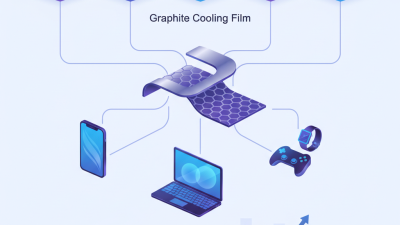
Graphite thermal sheets are versatile materials used for heat management in various applications. They efficiently dissipate heat in electronics, ensuring components operate safely. Commonly found in devices like smartphones and laptops, these sheets maintain optimal temperatures. Their unique properties make them indispensable in industries such as automotive, aerospace, and renewable energy.
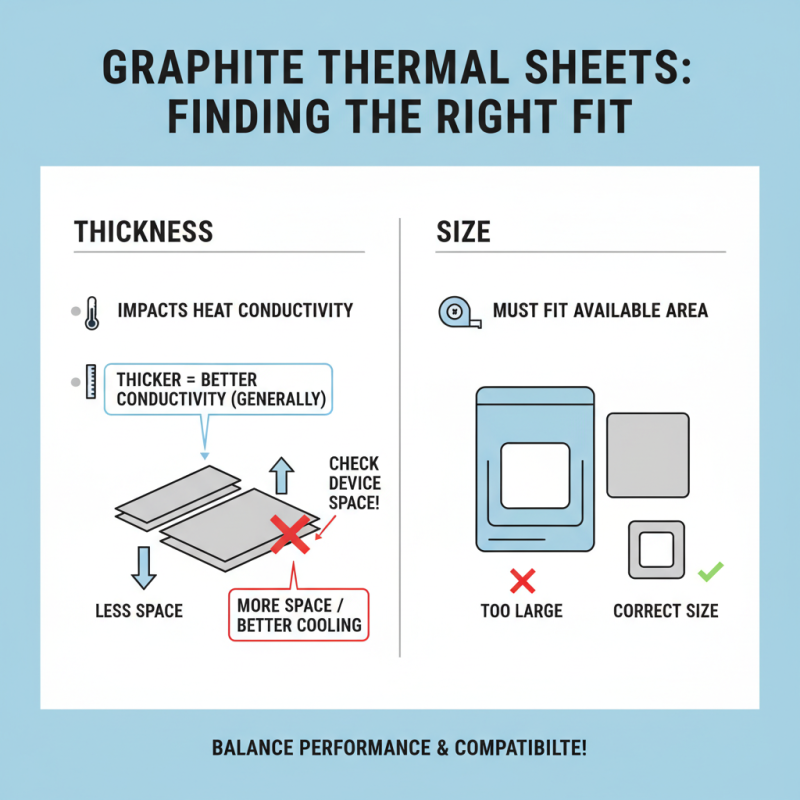
When selecting graphite thermal sheets, consider the thickness and thermal conductivity. Thicker sheets may offer better heat dissipation but could affect component spacing. Thermal conductivity indicates how efficiently heat can transfer through the sheet. An understanding of these parameters helps users make informed choices tailored to their specific needs.
Reflecting on personal experiences, I’ve noticed that not all sheets perform as expected. Sometimes, I underestimated noise in thermal management. Proper research can prevent costly mistakes. Evaluating performance through real-world testing is crucial. Each application might call for a different solution; thus, comprehensive knowledge is essential to identify the right product.
Key Properties to Consider When Selecting Graphite Thermal Sheets
When selecting graphite thermal sheets, several critical properties should guide your choice. Thermal conductivity is paramount. High-performing sheets usually have conductivities between 15 to 30 W/mK, making them suitable for advanced applications in electronics and automotive industries. Insufficient thermal conductivity can lead to overheating, significantly impacting the performance and lifespan of components.
Another essential property is thickness. Industry standards suggest that sheets should be no thicker than 0.5 mm for effective heat transfer. Thicker sheets may impair flexibility and thermal efficiency. Additionally, the density of the material matters. Optimal density ranges from 1.5 to 2.0 g/cm³. High-density sheets offer better heat retention, but can also introduce weight issues.
Surface finish also plays a role. A rough surface can hinder effective bonding with surfaces, reducing thermal performance. According to a recent industry report, sheets with a smoother finish enhance contact area and improve thermal management. Ultimately, understanding these properties—thermal conductivity, thickness, density, and surface finish—will help you select the right graphite thermal sheet for your specific requirements.
Comparison of Key Properties in Graphite Thermal Sheets
Comparing Graphite Thermal Sheets to Other Thermal Management Materials
When it comes to thermal management, choosing the right material is vital.
Graphite thermal sheets offer unique advantages. They have excellent thermal conductivity, enabling efficient heat transfer. This is essential in electronic devices where overheating can impact performance. Compared to traditional materials like thermal pastes and pads, graphite sheets excel in both thermal performance and durability.
Thermal pastes are effective but can be messy. They require precise application and can degrade over time. In contrast, graphite sheets provide a clean solution. They are easy to apply and require less maintenance. Additionally, graphite is thin and lightweight. This helps in minimizing overall device thickness, an important consideration in modern electronics.
However, there are trade-offs. Graphite sheets can be more expensive than standard thermal pads. They may not be the best choice for every application. It’s essential to analyze specific requirements. Check the operating temperature and space constraints. For some scenarios, a combo approach might work. Consider integrating graphite with other materials for optimal performance.
Factors Influencing the Performance of Graphite Thermal Sheets
When selecting a graphite thermal sheet, various factors impact its performance. The thickness of the sheet significantly influences its thermal conductivity. Thinner sheets generally allow for more efficient heat transfer but might not accommodate all application needs. Conversely, thicker sheets can handle significant temperature gradients but could add to bulk and weight.
Another critical aspect is the purity of the graphite material. High-purity graphite ensures minimal impurities, directly affecting heat transfer efficiency. Any contaminants may create thermal barriers, leading to overheating or reduced efficiency in electronic applications. It's essential to examine certifications or testing reports to ensure high-quality material.
Furthermore, the sheet's surface finish matters. A smooth surface can enhance contact with components, optimizing heat dissipation. However, not all applications require the same surface texture. Adapting to specific requirements may involve trade-offs between performance and cost. It's essential to evaluate these factors based on specific use cases for optimal results.