7 Tips for Sourcing Natural Graphite Powder
Natural Graphite Powder can look uniform in a catalog, yet its performance may vary sharply between suppliers. Purity, flake size, moisture, ash content, and milling method all influence processing results. A low quoted price can hide inconsistent lots, weak packaging, or costly testing later. This guide presents seven practical tips for sourcing Natural Graphite Powder with greater confidence. It focuses on evidence, not attractive specifications alone.
Start by defining the application and measurable requirements. A battery-related process may require different particle distributions than a lubricant, refractory, coating, or conductive compound. Request a current technical data sheet, safety data sheet, certificate of analysis, and representative sample. Check whether the reported values match the same grade and production lot. Small details matter. Inspect the powder’s appearance, sieve results, moisture, and packaging condition. Ask about mine origin, processing steps, quality controls, and production capacity. A credible supplier should answer clearly and provide traceable documents.
Supplier evaluation should continue beyond the first sample. Compare at least three qualified sources, verify testing methods, and clarify acceptable variation before placing an order. Consider independent laboratory testing for critical properties. Also review export documentation, responsible sourcing statements, lead times, minimum order quantities, and storage conditions. Some procurement plans fail because they ignore humidity during transport. Others rely on one successful sample. That is risky. Build a written approval process, keep retained samples, and review each shipment against agreed specifications. Even a careful checklist can miss a hidden assumption. Revisit it when your formulation, volume, or market changes.
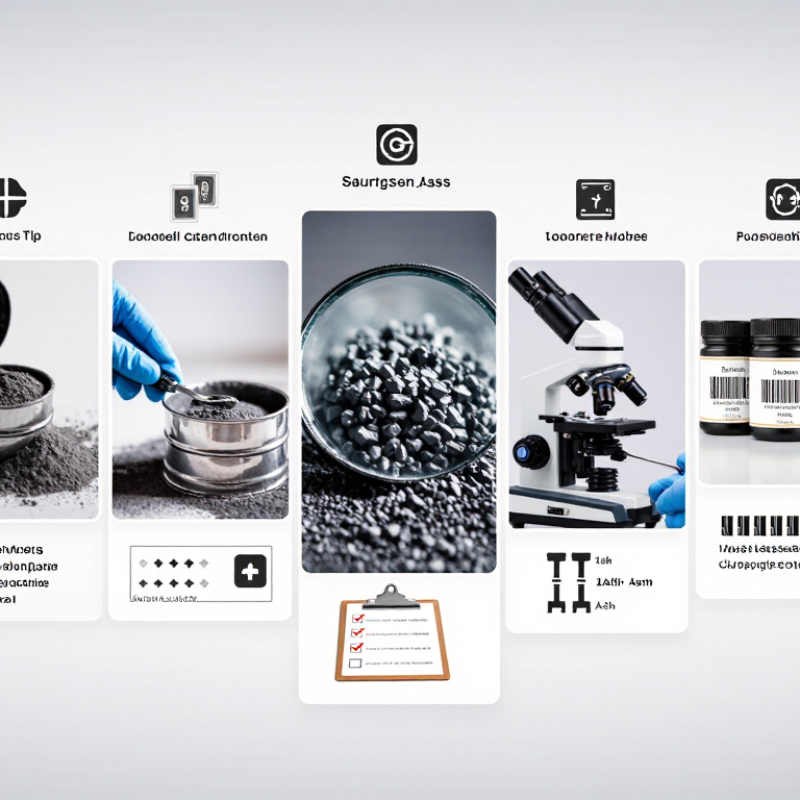
Define Grade Needs: Compare 90–97% Carbon Flake and 99.95% Anode Targets
Natural graphite sourcing begins with a clear grade definition. A 90–97% carbon flake grade may suit refractories, lubricants, and conductive compounds. The remaining ash can still affect processing, color, and thermal performance. Ask for flake size, moisture, sulfur, ash chemistry, and particle distribution. Carbon percentage alone is not enough.
A 99.95% carbon target demands tighter control. It is commonly considered for anode-oriented applications, but purity does not guarantee battery performance. Check spherical particle shape, tap density, surface area, expansion, and electrochemical test data. Request samples from several production lots, not one carefully selected bag. Independent laboratory testing can confirm the certificate of analysis. Keep retained samples for comparison.
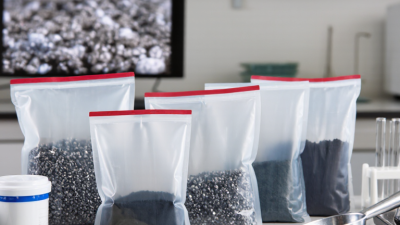
During supplier discussions, examine how the material is processed and packed. Fine graphite can collect moisture or become contaminated during handling. Lot numbers, sealed packaging, and traceable test records make problems easier to investigate. I have learned that a clean-looking powder proves very little. Supplier documents may also contain small inconsistencies. Do not ignore them. Ask for clarification before approving a purchase. My own early evaluations focused too heavily on carbon content and missed particle behavior. That mistake was expensive in time, though useful for improving future specifications. A practical purchasing sheet should separate minimum requirements from preferred values, leaving room for realistic production variation.
Map Flake Size: Match 50–500 μm Particles to Refractory or Battery Uses
7 Tips for Sourcing Natural Graphite Powder
Map flake size before comparing prices. The 50–500 μm range covers very different performance needs. Larger flakes, often around 150–500 μm, can support thermal conductivity and thermal-shock resistance in refractory mixes. Smaller fractions, near 50–150 μm, disperse more easily and may suit conductive additives or battery precursor processing. However, battery production usually requires shaping, purification, and controlled sizing. Large natural flakes are feedstock, not finished anode material.
Ask suppliers for a particle-size distribution, not only a nominal grade. Request D10, D50, D90 values, sieve results, moisture, ash, and fixed-carbon content. Laser diffraction can reveal fine particles hidden inside a “coarse” batch. A 250 μm label may still contain excessive material below 50 μm. That changes packing, viscosity, and furnace behavior. It is an easy mistake.
The U.S. Geological Survey reported approximately 1.6 million metric tons of natural graphite mine production in 2023, showing a large but quality-diverse supply base. The International Energy Agency reported strong graphite demand growth from battery manufacturing in its Global Critical Minerals Outlook 2024. This pressure can encourage substitutions or relaxed specifications. Be careful. For refractory use, inspect flake integrity after mixing and firing. For battery use, test purification losses and electrochemical performance. Size mapping must connect to the process, not merely the purchase sheet. I would also recheck the specification after pilot production; laboratory powder can behave differently at scale.
Verify Lab Data: Check Ash, Moisture, Sulfur, and PSD Before Ordering
Natural graphite supply is expanding, but tonnage does not guarantee consistency. The USGS Mineral Commodity Summaries 2025 estimated 2024 world mine production at about 1.6 million metric tons. That market-scale figure says nothing about a specific powder lot. Request a lot-linked certificate of analysis, sampling date, test method, and retest limits before ordering.
Tips: Compare ash, moisture, and sulfur with your application limits, not just a supplier’s “typical” values. Ash can leave unwanted residue; moisture can distort weighed batches; sulfur may affect downstream processing. For particle size distribution, request D10, D50, and D90, plus the measurement method and dispersion conditions. A D50 alone can hide coarse particles. Check that the reported method reflects how your process handles powder.
When possible, test a sealed, representative sample through an independent laboratory, then compare the results with the delivered lot. Record sample preparation; it can shift results. I still treat a polished certificate as a starting point, not proof. Small differences matter. For recurring orders, agree on acceptance ranges and what happens if a lot falls outside them. Ask for raw data when results sit near a limit; averages can conceal an uneven batch.
Audit Suppliers: Confirm Traceability, Capacity, ESG Records, and Lot Consistency
A reliable graphite powder audit begins with a clear path from mine to shipment. Ask suppliers to identify processing sites, explain how material is blended, and provide lot-level documents. Check that shipment labels match certificates of analysis and purchase records. Gaps deserve follow-up, not assumptions. A polished file is not proof; records should connect to the actual lot.
Tip 1: Test traceability with one recent lot. Request its origin, processing dates, and quality results. Tip 2: Compare stated capacity with equipment, staffing, and lead times. Ask what happens during maintenance or a demand spike. Small details matter. A supplier’s answer should be specific, not simply reassuring.
Review environmental and social records, including energy use, waste handling, worker training, and corrective actions. Look for dated evidence and clear ownership, not broad promises. Then compare samples from several lots for particle size, moisture, ash, and other agreed specifications. Variation can affect downstream performance. No audit catches everything; that is worth admitting. Keep retain samples and document any deviation, even when the difference seems minor.
Calculate Cost: Include Yield, Freight, Duties, and 5–10% Processing Loss
Natural graphite powder should be compared by landed cost per usable kilogram, not by the quoted price per tonne. Add the powder price, freight, insurance, customs duties, and local handling charges. Then adjust for processing yield. The USGS Mineral Commodity Summaries 2025 estimates 2024 global natural graphite production at 1.6 million tonnes, with about 1.27 million tonnes from China. This concentration makes origin, shipment timing, and available routes worth checking. Small numbers matter.
Tip: Request quotes for the same grade, moisture limit, packaging, and delivery terms. Ask suppliers to state the shipment weight and whether freight includes port charges. Check the applicable duty rate for the product and destination with a qualified customs broker; do not assume two similar powders receive identical treatment. Keep each cost line visible in your comparison sheet.
For planning, test a 5–10% processing-loss allowance, then replace it with trial data. At 5% loss, producing one usable tonne requires about 1.053 tonnes of input; at 10%, it takes about 1.111 tonnes. Divide total landed cost by usable output, not incoming weight. A spreadsheet can still look precise while relying on a rough yield estimate. Record the estimate and revisit it after the first production run.