What is a Thermal Graphite Sheet and Its Applications?
Thermal Graphite Sheets are innovative materials used in various industries. James Cooper, a leading expert in thermal management, once stated, "Thermal Graphite Sheets revolutionize how we approach heat dissipation." This statement reflects the growing impact of these sheets in technology.
The versatility of Thermal Graphite Sheets makes them vital in electronics, automotive, and aerospace sectors. Their unique properties include high thermal conductivity and flexibility. Manufacturers often seek materials that enhance performance and efficiency. Thermal Graphite Sheets meet these needs but may present challenges during production and application.
While they provide effective thermal management, sourcing quality sheets can be inconsistent. Variability in material quality can affect performance. Despite this, the demand for Thermal Graphite Sheets continues to grow. Understanding their capabilities and limitations is essential for industries aiming to leverage their benefits fully.
Definition and Composition of Thermal Graphite Sheets
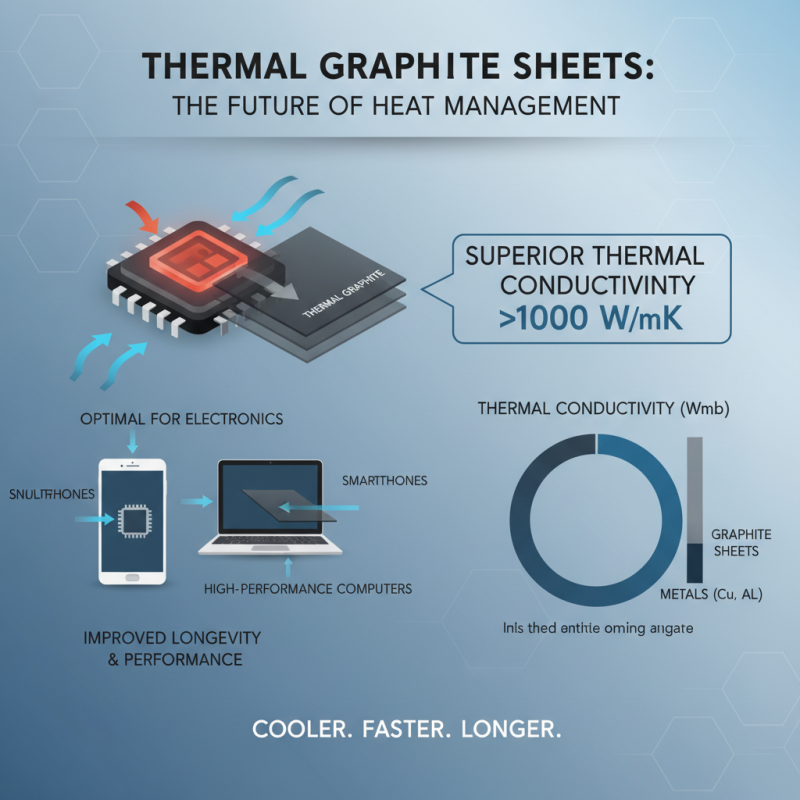
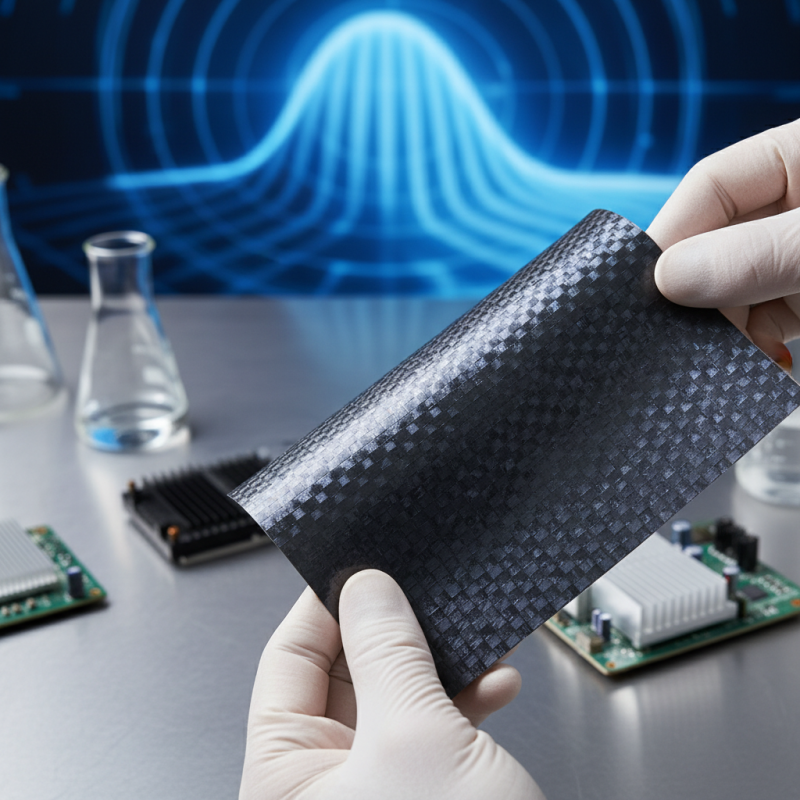
Thermal graphite sheets are advanced materials used primarily for thermal management. They consist of layers of graphite, which is known for its excellent thermal conductivity. This composition allows them to effectively dissipate heat. Reports indicate that thermal conductivity can reach up to 1500 W/m·K, making these sheets highly efficient in various applications.
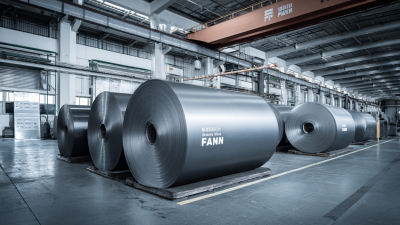
The manufacturing process involves compressing graphite flakes into thin sheets. This process can lead to imperfections. Such inconsistencies may affect performance. For instance, uneven thickness can cause localized hot spots, which undermine heat dissipation capabilities. Awareness of these potential issues is crucial for optimal use.
Thermal graphite sheets find their application in electronics, automotive industries, and renewable energy. In electronics, they help manage heat in components like CPUs. Automotive applications include battery thermal management. Yet, the industry still faces challenges related to scalability and cost-effectiveness in production. Reports show that with rising demand, achieving the right balance between price and performance remains a key focus.
Properties of Thermal Graphite Sheets and Their Thermal Conductivity
Thermal graphite sheets are becoming increasingly popular in various applications due to their remarkable thermal conductivity. These sheets can achieve thermal conductivities exceeding 1000 W/mK, which is significantly higher than most metals. This property makes thermal graphite sheets ideal for managing heat in electronic devices. High-performance computers and smartphones benefit from these sheets as they can dissipate heat effectively, improving longevity and performance.
One of the key properties of thermal graphite sheets is flexibility. They are lightweight and can conform to different shapes, ensuring optimal contact with surfaces. This adaptability enhances their thermal management capabilities. Reports show that thermal conductivity can be influenced by factors such as the orientation of the graphite flakes. The process of alignment during manufacturing often results in variations in thermal efficiency, necessitating careful quality control.
In many cases, users may overlook the importance of thickness and surface roughness in these sheets. These factors significantly impact thermal performance. A thicker sheet may not always provide better heat dissipation. Ideal applications should consider specific thermal requirements. Relying solely on high conductivity figures without consideration of real-world application can lead to inefficiencies. Thus, understanding these variables is essential in material selection for optimal heat management.
Common Applications of Thermal Graphite Sheets in Electronics and Industry
Thermal graphite sheets are gaining traction in electronics and industrial applications. Their unique properties allow efficient heat management, making them crucial in many devices. According to a report from MarketsandMarkets, the thermal management materials market is expected to grow by over 10% annually, indicating a rising demand for these sheets.
In electronics, thermal graphite sheets serve as an effective solution for dissipating heat in smartphones, laptops, and LED lighting. They create better thermal conduction than standard materials. For instance, the thermal conductivity of high-quality graphite sheets can reach over 1500 W/mK. This high performance supports the need for compact designs as devices become thinner and more powerful.
Industries such as automotive and aerospace also benefit from these sheets. They help in managing heat in battery systems and power electronics. Despite their advantages, challenges remain. The cost varies significantly depending on quality. Users must also consider how their application will impact the sheet's lifespan. The balance between performance and investment can be tricky but is essential for maximizing efficiency.
Advantages of Using Thermal Graphite Sheets Over Traditional Materials
Thermal graphite sheets are becoming popular in various industries. They excel in heat management. This leads to greater efficiency and reliability in electronic devices. The unique properties of thermal graphite sheets allow them to outperform traditional materials like metal or plastic.
Using thermal graphite sheets comes with notable advantages. They provide excellent thermal conductivity. This helps in dispersing heat quickly. Compared to other materials, they can help lower overall temperatures in devices. Additionally, they are lightweight and thin. This means they save space while maintaining performance.
Tips for choosing the right thermal graphite sheet include checking the thickness and conductivity. A thicker sheet can absorb more heat, but it may also add bulk. Always balance performance with design needs. Sometimes, the ideal choice may not be the most obvious one. Testing different configurations can lead to surprising improvements.
Future Trends and Innovations in Thermal Graphite Sheet Technology
Thermal graphite sheets are gaining attention in multiple industries. These materials offer excellent thermal conductivity. Their usage ranges from electronics to automotive applications. In 2022, the global thermal management market was valued at approximately $9 billion. As the demand for efficient heat dissipation grows, thermal graphite sheets play a crucial role.
Future trends indicate a rise in innovations around thermal graphite technology. Advanced manufacturing techniques are improving production efficiency. For instance, the introduction of automated processes can reduce costs by up to 30%. Moreover, companies are focusing on enhancing the thermal conductivity of these sheets. This can lead to better performance in high-powered devices. The automotive sector is particularly interested in these improvements for electric vehicles.
Research suggests that by 2025, the thermal management market could surpass $15 billion. However, challenges remain. Manufacturing consistency is often questioned. Variability in material properties can lead to uneven performance. Continuous research is essential to address these concerns. Production methods need renovation for better quality control. The evolution of technology promises exciting advancements for thermal graphite sheets.
What is a Thermal Graphite Sheet and Its Applications?
| Property |
Value |
| Thermal Conductivity |
> 1000 W/mK |
| Thickness |
50 - 500 µm |
| Density |
1.9 - 2.1 g/cm³ |
| Operating Temperature |
-200°C to 3000°C |
| Applications |
Electronics Cooling, Automotive Heat Management, Aerospace, Renewable Energy |
| Future Trends |
Flexible Thermal Interfaces, Advanced Composites, Eco-friendly Materials |