What is Thermal Graphite Film and How is it Used?
Thermal Graphite Film is a remarkable material in today's technology landscape. This film is known for its excellent thermal conductivity. It plays a vital role in various applications, especially in electronics. The film helps in managing heat effectively. Electronic devices generate heat, which can impact their performance and longevity.
Using Thermal Graphite Film can improve device reliability. It fills gaps between heat sources and sinks. This enhances thermal transfer and reduces hot spots. Engineers are increasingly adopting this material because of its lightweight and flexible nature. However, its cost can be a consideration for some manufacturers. Balancing performance and budget remains a challenge.
The versatility of Thermal Graphite Film extends beyond electronics. It's also used in thermal interface materials and many other industries. Its unique properties can drive innovation. Nevertheless, there may be room for improvement in production efficiency. As the demand grows, manufacturers must adapt. Understanding the potential and limitations of Thermal Graphite Film is crucial for future advancements.
What is Thermal Graphite Film and Its Composition Features
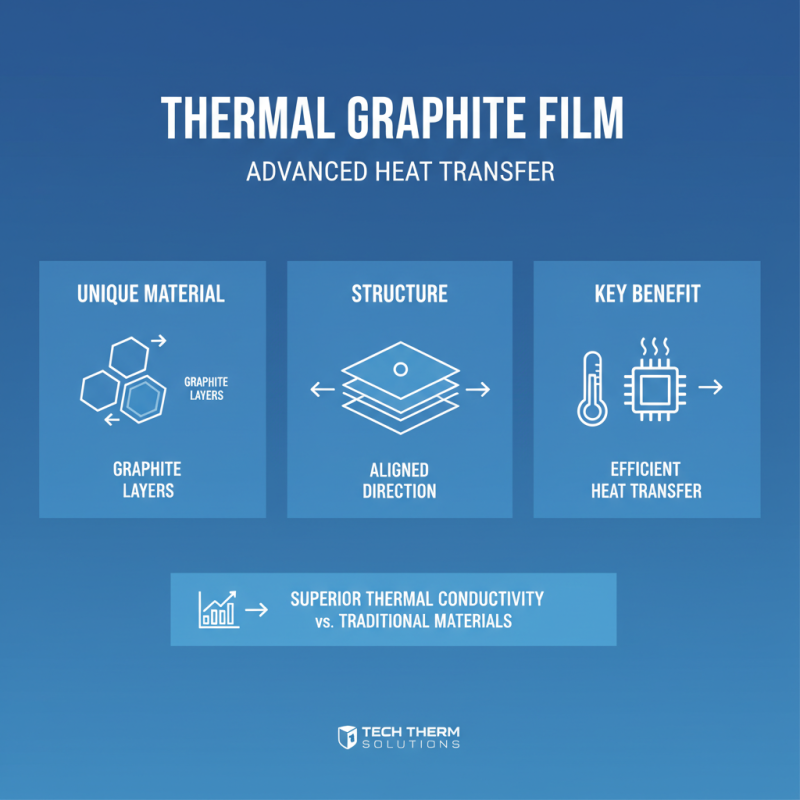
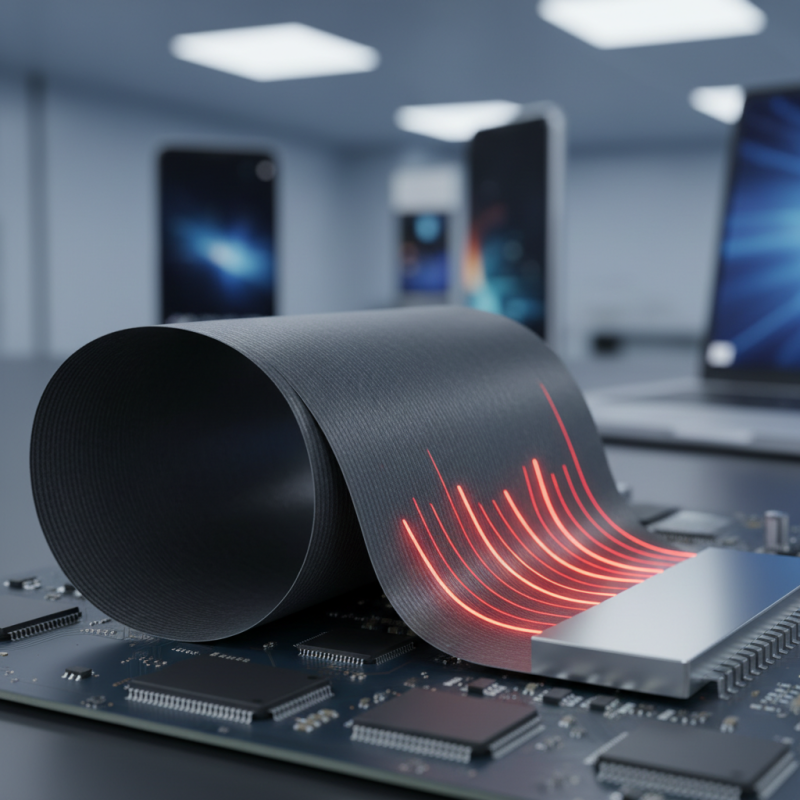
Thermal graphite film is a unique material known for its excellent thermal conductivity. It mainly consists of graphite layers. These layers are aligned in a specific direction, enhancing the material's ability to conduct heat. The structure allows for efficient heat transfer compared to traditional thermal interface materials.
One key feature of thermal graphite film is its flexibility. This property allows it to conform to various surfaces, ensuring optimal contact. In applications like electronics, this adaptability is crucial. However, users must consider the initial setup. Improper alignment may result in reduced performance. Additionally, while it excels in heat dissipation, it may not provide electrical insulation. This requires careful selection in thermal management strategies.
The film is typically lightweight and thin, making it suitable for compact devices. Many new technologies benefit from its properties. Yet, working with thermal graphite film can be challenging. The manufacturing process needs attention to detail. Minor defects may compromise its effectiveness. As this technology evolves, further research is essential to maximize its potential in diverse applications.
Key Thermal Properties of Thermal Graphite Films Explored
Thermal graphite film is a versatile material known for its exceptional thermal conductivity. It is commonly used in electronics to manage heat dissipation. Reports indicate that thermal graphite films can achieve thermal conductivities exceeding 1000 W/mK. This makes them suitable for high-performance applications. Their unique structure allows efficient heat spread across surfaces, preventing hot spots.
One remarkable property is their lightweight nature. Thermal graphite films are significantly thinner than traditional heat sinks. They can be as thin as 0.1 mm. This makes them ideal for compact devices where space is a constraint. However, the fragility of these films can pose challenges during handling and installation. Users need to exercise caution to avoid damage.
Another important aspect is their adaptability. Thermal graphite films can be integrated into various surfaces. They bond well with materials like metal and plastic. However, not all films provide uniform thermal performance. Variability in manufacturing processes can impact thermal efficiency. Quality control is crucial in production to ensure consistent performance.
In conclusion, while thermal graphite films offer impressive thermal properties, their practicality can be influenced by handling and manufacturing consistency. Awareness of these factors can lead to better application outcomes.
What is Thermal Graphite Film and How is it Used? - Key Thermal Properties of Thermal Graphite Films Explored
| Property |
Description |
Value |
| Thermal Conductivity |
Ability to conduct heat |
2000 W/m·K |
| Thickness |
Material thickness for effective heat transfer |
0.1 mm |
| Thermal Resistance |
Resistance to heat flow |
0.05 °C/W |
| Flexibility |
Ability to conform to surfaces |
Highly flexible |
| Operating Temperature |
Maximum temperature for usage |
260 °C |
| Applications |
Common uses of thermal graphite film |
Electronics, LED lighting, batteries |
Common Applications of Thermal Graphite Film in Electronics Industry
Thermal graphite film is a crucial material in the electronics industry. It offers high thermal conductivity, making it ideal for managing heat in electronic devices. This film distributes heat evenly, preventing hotspots that can damage components. It plays a significant role in cooling systems, including CPUs and GPUs, where temperature control is vital.
In smartphones, thermal graphite film aids in dissipating heat generated by processors. This enhances performance and prolongs battery life. Similarly, in laptops, it helps maintain optimal temperatures, ensuring reliable operation during extensive use. The film's flexibility allows it to conform to various surfaces, providing effective heat management in compact spaces. However, sourcing high-quality films can be challenging. Not all options offer the same level of performance, and mismatched materials may lead to inefficiencies.
Thermal graphite film is also used in LED lighting. It helps maintain the lifespan of LEDs by managing heat effectively. Yet, companies must carefully evaluate their thermal management solutions. Overlooking material properties can result in thermal failures, which are costly. Thus, understanding the specific requirements of each application is essential. The versatility of thermal graphite film opens up many possibilities, but informed choices are the key to success.
Common Applications of Thermal Graphite Film in Electronics Industry
This chart illustrates the common applications of thermal graphite film, highlighting their usage distribution across various electronic components.
Comparison of Thermal Graphite Film with Alternative Materials
Thermal graphite film is a popular material for thermal management. It conducts heat effectively, making it ideal for various applications. But how does it compare to other alternatives?
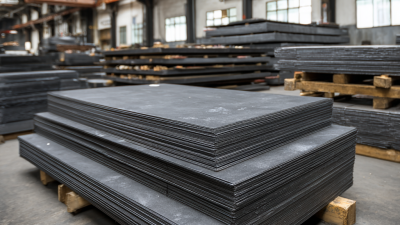
When assessing alternatives, thermal graphite film stands out for its flexibility and efficiency. Unlike metal sheets, it is lighter and can easily conform to different surfaces. However, metal options might provide greater durability in harsh conditions. In some settings, these metals perform better under mechanical stress.
Thermal pads and compounds also serve as alternatives. They are often less expensive, but their thermal performance can be inconsistent. Thermal graphite film typically has a higher thermal conductivity. Yet, it might not fit every budget. Some users may find that the initial investment is higher. There’s a delicate balance between cost and performance. It is crucial to evaluate specific needs before making a choice.
Future Trends and Innovations in Thermal Graphite Film Technology
Thermal graphite film technology is evolving rapidly, driven by the growing need for efficient thermal management solutions. Recent market analysis predicts that the thermal management materials market will reach a valuation of $5.8 billion by 2026. This growth aligns with the rise in electric vehicles and portable electronics. Thermal graphite film plays a pivotal role in these sectors, transferring heat efficiently while remaining lightweight.
Emerging innovations in thermal graphite film include the development of high-conductivity composites and layered structures. Engineers are exploring ways to enhance thermal conductivity beyond the traditional 800 W/mK. New manufacturing techniques aim to produce films at lower costs while maintaining quality.
Sustainability is also becoming a priority. Organizations are focusing on recycling old thermal materials into new products, which could reshape the industry landscape.
Despite these advancements, there are challenges. Not all applications can accommodate flexible films without compromising performance. Additionally, the variation in thermal properties depending on the thickness and layering needs deeper exploration. As the market continues to push the boundaries, ongoing research is essential to address these limitations. This development could lead to even greater advancements in thermal management technologies.