How to Source High Quality Flexible Graphite for Your Needs?
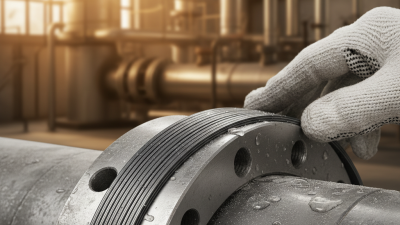
Sourcing high-quality flexible graphite has become increasingly essential across various industries. A recent report by the Global Flexible Graphite Market Analysis indicates that the market is expected to grow by 5% annually until 2027. This growth reflects the rising demand for flexible graphite in applications like seals, gaskets, and thermal management. Renowned industry expert Dr. Emily Chen emphasizes the importance of quality, stating, "Investing in quality flexible graphite is key to ensuring optimal performance in critical applications."
The path to sourcing flexible graphite is complex. Quality varies significantly among suppliers, making it crucial to evaluate their processes. Comprehensive material testing and certification should be priorities for any buyer. A lack of diligence can lead to poor performance. As noted by a leading industry standard, companies that understand their graphite sources often outperform their competitors.
Additionally, transparency in sourcing is vital. Customers benefit when suppliers share detailed information about material origins. Modern supply chain practices are adapting to this need. Yet, many still rely on inadequate data. Therefore, building a network of reliable suppliers can enhance purchasing decisions. In this evolving landscape, understanding the nuances of flexible graphite sourcing can provide a competitive edge.
Understanding the Properties of Flexible Graphite
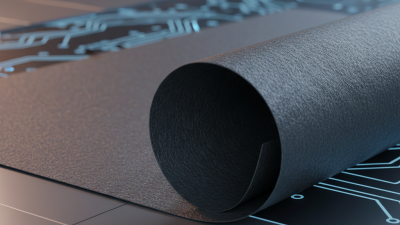
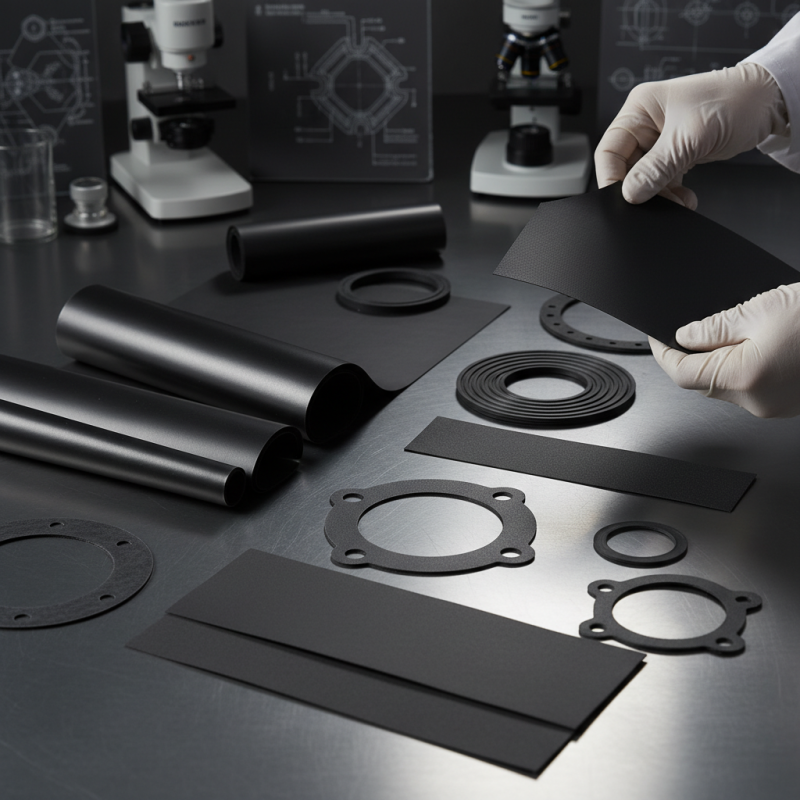
Flexible graphite is valued for its unique properties. It exhibits excellent thermal and chemical resistance. This makes it ideal for various applications. Its flexibility allows it to mold into different shapes easily. Users in industries such as automotive and aerospace greatly benefit from this material.
Understanding its structure is essential. Flexible graphite consists of tiny, layered carbon atoms. This structure creates high conductivity and resilience. However, not all flexible graphite is the same. Sourcing from reliable manufacturers is crucial. Inconsistent quality can lead to performance issues in critical applications.
When exploring options, consider thickness and purity levels. Pay attention to the specific requirements of your project. Flexibility and durability must align with your needs. Sometimes, too much emphasis on cost can compromise quality. Reflect on what aspects are truly important for long-term performance. Balance is key in sourcing high-quality materials.
Identifying Reliable Suppliers for Flexible Graphite
When sourcing flexible graphite, finding reliable suppliers is crucial. Start by researching suppliers with proven track records. Check online platforms where businesses rate suppliers. Look for consistent positive feedback about product quality. Transparency in sourcing processes reflects reliability. Focus on suppliers that openly share information about their manufacturing techniques. This builds trust.
Consider visiting suppliers to view their operations. A face-to-face meeting can clarify their commitment to quality. Ask for certifications and test results. Suppliers should provide evidence of their graphite's purity and performance. However, be cautious of red flags. If a supplier hesitates to share details, it might indicate deeper issues.
Evaluate the responsiveness of the supplier. Quick and informative responses often indicate professionalism and reliability. Make a list of potential suppliers and compare their offerings. Different suppliers might have unique strengths. Finding the perfect match may take time, but the effort is worthwhile. Remember to trust your instincts during the evaluation process.
Demand for Flexible Graphite by Industry (2023)
Assessing Quality Standards for Flexible Graphite Sourcing
When sourcing flexible graphite, quality assessment is crucial. High-quality graphite offers better performance and longevity in various applications. To ensure you’re getting the best material, start by examining the source of the graphite.
Understanding the manufacturing process gives insight into the quality. Look for suppliers with a clear, documented history.
Consider the purity levels of the graphite. The best materials typically have limited impurities. Testing can help determine the specific properties you require. Conducting independent lab tests may also provide clarity on material specifications. It’s important to be aware of the limitations of visual inspections. Appearance alone doesn't guarantee quality.
Additionally, evaluate supplier certifications. Reliable sources often hold industry certifications that imply adherence to rigorous standards. This can reflect their commitment to providing high-quality products. Remember, not all certifications are equal. Conduct thorough research to verify their credibility. Engaging with suppliers can clarify any uncertainties. Don’t hesitate to ask questions about production methods and quality control measures.
Evaluating Cost vs. Quality in Flexible Graphite Procurement
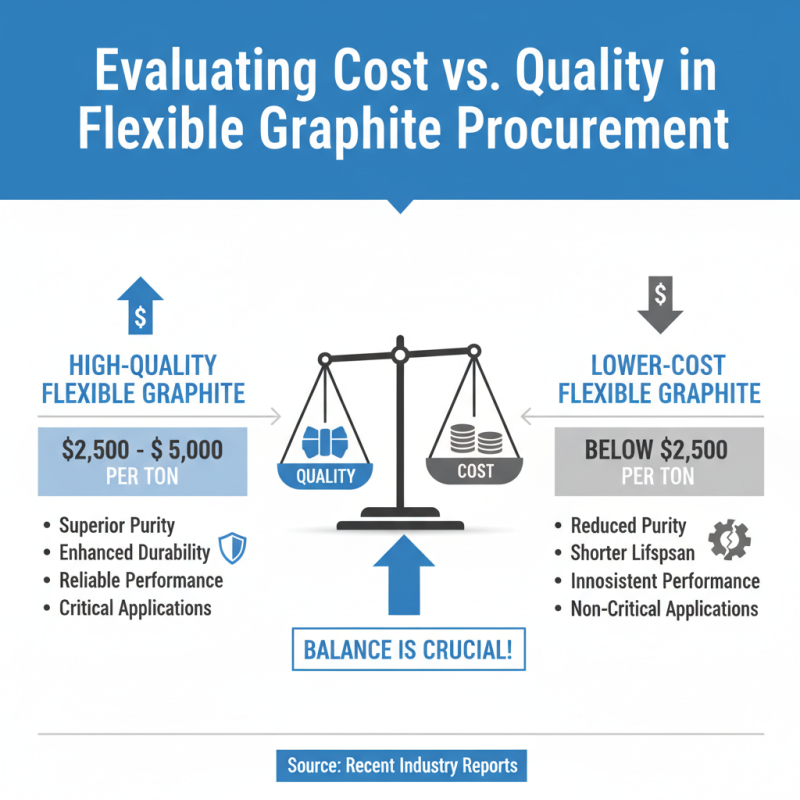
When sourcing flexible graphite, understanding the balance between cost and quality is crucial. Recent industry reports indicate that high-quality flexible graphite can range from $2,500 to $5,000 per ton, depending on purity and sourcing conditions. Lower-cost options might seem appealing, but they often lack the durability and performance needed for critical applications.
Evaluating the right choice involves assessing specific requirements. For instance, specific heat resistance or chemical inertness might be essential for certain engineering projects. Reports suggest that selecting quality graphite can reduce long-term operational costs and increase efficiency. On the flip side, compromising on quality could lead to more frequent replacements and failures.
Tip: Always request samples to assess quality before bulk purchasing. Ensure that the supplier provides certifications that verify the material’s properties. Another suggestion is to consult peer-reviewed studies or industry benchmarks before making any decisions. Understand that not every low-cost option will deliver the desired performance, and sometimes investing in quality can save money in the long run.
Application Considerations for Flexible Graphite Selection
When selecting flexible graphite for industrial applications, several key considerations come into play. The purity of the graphite is paramount. High purity levels, typically above 98%, ensure effective thermal and electrical conductivity. This factor directly influences the material's performance in applications ranging from gaskets to batteries, where efficiency is crucial. According to industry reports, nearly 70% of users prioritize purity for these reasons.
Another significant aspect is the flake size of the graphite. Different applications may require varied flake sizes ranging from fine to coarse. Larger flakes often provide better compressibility and sealing properties, while smaller flakes might be preferred for lubrication applications. Research indicates that 65% of manufacturers select graphite based on specific flake size requirements to meet performance standards.
Furthermore, consider the sourcing method. Natural graphite often comes from mining and can exhibit variations in quality. In contrast, synthetic graphite generally provides uniform quality and can be tailored to specific uses. A notable study revealed that nearly 50% of companies now opt for synthetic options to mitigate sourcing risks and ensure consistency. Choosing the right flexible graphite thus requires not just an understanding of these factors, but also ongoing reflection on changing needs and market conditions.