2026 How to Choose the Best Flexible Graphite Packing?

In the industrial landscape, Flexible Graphite Packing serves a vital role in sealing applications. It is crucial in sectors like oil and gas, chemical processing, and power generation. According to a 2022 report by MarketsandMarkets, the global flexible graphite market is projected to reach over $1 billion by 2026, reflecting its growing importance.

Selecting the right Flexible Graphite Packing can be challenging yet essential. With multiple options available, it’s important to consider various factors. These include temperature limits, chemical compatibility, and pressure ratings. A 2021 study indicated that improper selection could lead to significant downtime and costs, emphasizing the need for careful evaluation.

While many users rely on generic recommendations, this approach may overlook unique application needs. Every industry has specific requirements for sealing materials. It's not enough to choose based on price or brand. Understanding these nuances can prevent costly mistakes. Making informed choices about Flexible Graphite Packing is key to operational efficiency and reliability.
2026 How to Choose the Best Flexible Graphite Packing?

Understanding Flexible Graphite Packing: Key Properties and Applications

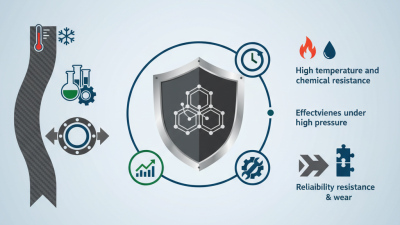
Flexible graphite packing is a material widely used in various industries. Its unique properties make it suitable for high-temperature and high-pressure applications. This packing material often features superior thermal conductivity and chemical resistance. These characteristics ensure effective sealing in valves, pumps, and other equipment.

When selecting flexible graphite packing, consider the operational environment. Factors such as temperature extremes and exposure to different chemicals can impact performance. It's essential to understand the specific demands of your application. A mismatch may lead to leakage or reduced efficiency. Testing is crucial to ensure that the chosen packing meets the necessary requirements.

While flexible graphite packing is versatile, it isn't perfect. Some products may degrade over time, requiring regular monitoring. Users should evaluate their experiences and learn from issues encountered. This process is vital for optimizing the use of flexible graphite in their applications. Choosing the right packing is not just about specifications; it's also about adapting to real-world conditions.

2026 How to Choose the Best Flexible Graphite Packing? - Understanding Flexible Graphite Packing: Key Properties and Applications

Property Description Typical Application Temperature Limit (°C) Pressure Limit (MPa)
Thermal Conductivity High thermal conductivity, efficient heat transfer. Heat exchangers, boilers. Up to 450 20
Chemical Resistance Resistant to various chemicals including acids and bases. Pumps, valves in chemical processes. Up to 600 30
Flexibility Easily conforms to irregular surfaces, providing effective sealing. Flanges, pipes. Up to 300 25
Durability Long service life under various operating conditions. High-wear applications. Up to 350 35
Compressibility Good compressibility allows for optimal sealing. Static and dynamic sealing applications. Up to 250 40

Factors to Consider When Selecting Flexible Graphite Packing Materials

Choosing the right flexible graphite packing requires careful consideration of several factors. The operating temperature is crucial. Different applications can involve extreme heat or cold. Knowing the temperature range helps narrow down suitable materials.

Another key factor is the chemical compatibility of the graphite packing. Different environments can expose materials to harsh chemicals. Testing a small sample in the actual environment can prevent future failures. Some might overlook this step, leading to costly repairs.

Additionally, the pressure conditions cannot be ignored. Knowing the system's pressure helps determine the correct density and thickness of the packing. Mismatched specifications can result in leaks. It's easy to assume one size fits all, but that's a mistake. The right selection ensures efficiency and reliability over time.

Factors Influencing the Choice of Flexible Graphite Packing Materials

Comparing Different Types of Flexible Graphite Packing Solutions

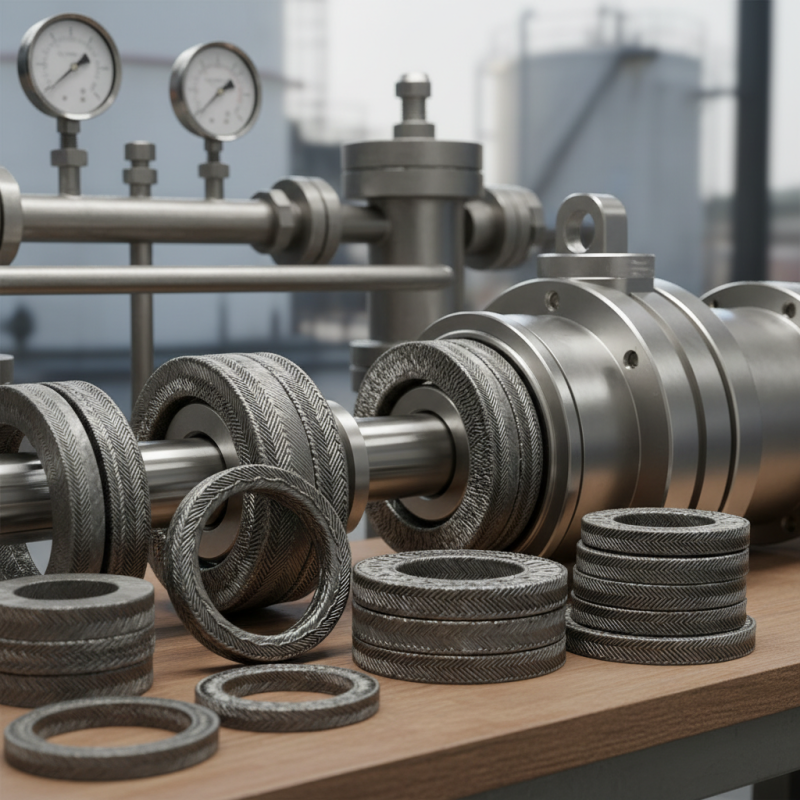
When considering flexible graphite packing solutions, understanding the types available is crucial. Flexible graphite packing is often categorized into various forms, including braided, die-formed, and molded types. Each type offers distinct properties and applications. For example, braided packing tends to withstand high pressure and temperature, making it suitable for heavy-duty applications. According to industry data, braided graphite packing accounts for about 35% of the market due to its popularity.

In contrast, die-formed packing is engineered for precise dimensions and dense structure. This type provides excellent sealing capabilities, often outperforming others in certain conditions. However, its rigidity can be a drawback. Studies show that about 50% of users find die-formed options less adaptable for changing environments. Molded graphite packing, while less common, is versatile and can be customized for specific applications. Yet, its reliability can be a point of concern, depending on manufacturing quality.

Choosing the right type involves weighing these pros and cons. Market analysis indicates that improper selection can lead to significant downtime and repair costs, sometimes exceeding 20% of operational budgets. Users often overlook maintenance requirements as well, which can affect performance longevity and efficiency. Being informed and reflective on these aspects is essential for optimal packing solutions.

Installation and Maintenance Tips for Optimal Performance

2026 How to Choose the Best Flexible Graphite Packing?

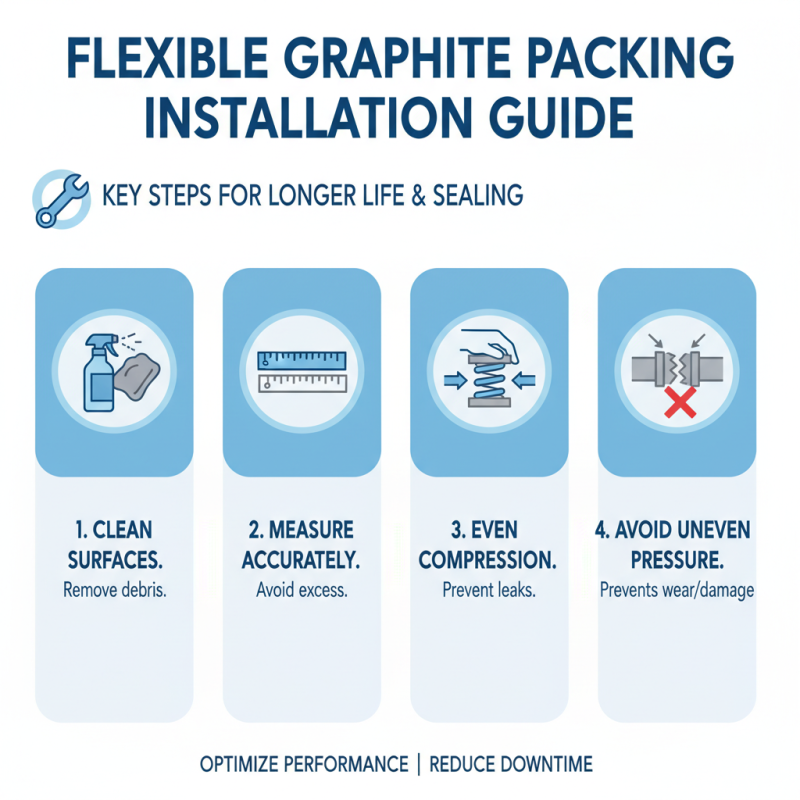
When installing flexible graphite packing, proper technique is crucial. Start by ensuring that the surfaces are clean and free of debris. Measure the packing length accurately to avoid excess material. Too much packing can cause stress and damage over time. Focus on even compression during installation. Uneven pressure can lead to leaks or premature wear.

Maintenance is equally important for optimal performance. Regularly inspect the packing for signs of wear, such as cracks or deformation. Replace any damaged sections promptly. Lubrication is essential but can be tricky. Using too much can attract dirt, while too little may cause friction. Balance is key. Consider the environment as well. High temperatures and aggressive chemicals can shorten the packing's lifespan. Adjust your maintenance schedule accordingly.

It's easy to overlook small details like these. They can lead to significant issues later. Taking the time to refine your installation and maintenance practices pays off. Reflect on past experiences; learning from mistakes can help improve your methods. Always stay vigilant and proactive in your approach.

Common Mistakes to Avoid When Choosing Graphite Packing

2026 How to Choose the Best Flexible Graphite Packing?

Choosing the right flexible graphite packing can be challenging. Many overlook critical factors that impact performance. One common mistake is focusing solely on cost. While budget considerations are essential, cheaper options may compromise quality and longevity. According to industry reports, lower-grade graphite packing can lead to a 30% increase in maintenance costs over time.

Another mistake involves ignoring the application specifics. Each process has unique demands. Inappropriate packing can cause leaks and efficiency drops. For instance, high-temperature environments require packing rated for significant heat resistance. Failing to check these specifications can lead to operational failures. It's essential to match the graphite composition to the intended use.

Additionally, not considering the seal's environmental conditions is a frequent oversight. Factors such as pressure fluctuations and chemical exposures play vital roles in packing performance. A study indicated that 70% of valve blowouts were linked to inadequate packing selection. Evaluating these conditions beforehand can save substantial time and resources, preventing future headaches and costly repairs.