How to Choose the Right Flexible Graphite Packing for Your Needs?
Choosing the right Flexible Graphite Packing is essential for various industrial applications. According to John Smith, a renowned industry expert, "The choice of packing can significantly affect a system's efficiency." With numerous options available, it can be overwhelming to select the best one for your specific needs.
Understanding the properties of Flexible Graphite Packing is crucial. This material offers excellent thermal conductivity and chemical resistance, making it suitable for high-pressure systems. However, not all graphite packing performs the same way under different conditions. Some may compress or wear too quickly, leading to performance issues. It's important to consider the specific application environment to avoid potential failures.
Moreover, consulting relevant case studies or industry experiences can be enlightening. Often, companies encounter challenges when choosing Flexible Graphite Packing without adequate information. Gathering insights from experienced professionals can aid in making informed decisions that enhance operational reliability. Ultimately, careful selection can lead to better system performance and longer service life.
Understanding Flexible Graphite Packing and Its Applications
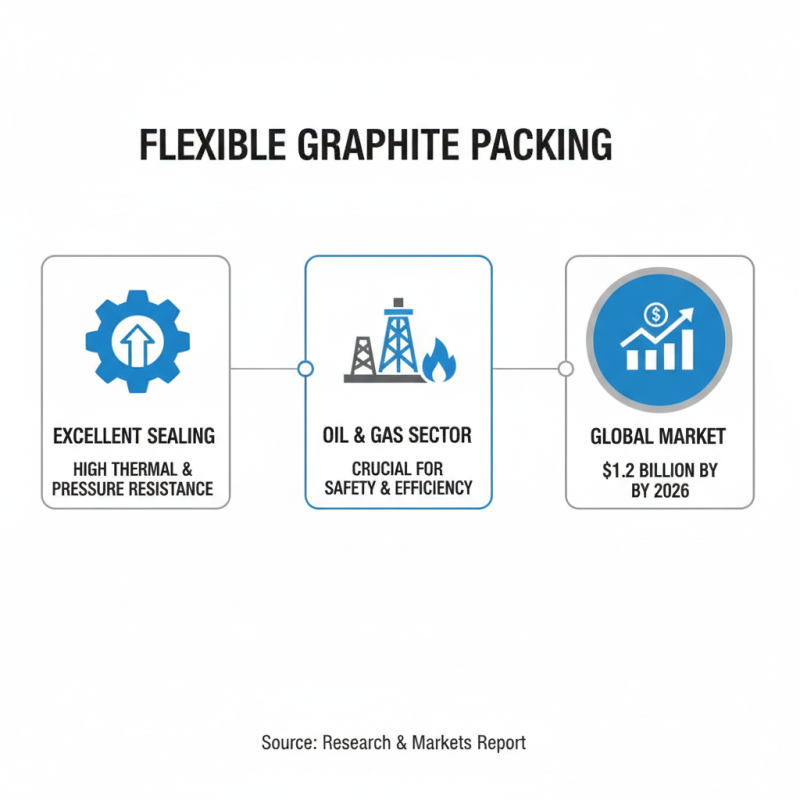
Flexible graphite packing is widely used in various industries due to its excellent sealing properties. It offers high thermal resistance and can handle extreme pressure. According to a report by Research and Markets, the global flexible graphite market is expected to reach $1.2 billion by 2026, with a significant contribution coming from the oil and gas sector. These materials are essential for ensuring safety and efficiency in operations.
Applications of flexible graphite packing are diverse. It is commonly found in pumps, valves, and flanges. The material can withstand temperatures exceeding 400°C, making it suitable for high-temperature environments. The versatility makes it appealing, yet choosing the right type requires careful consideration of the specific application. Not all flexible graphite is created equal; variations exist based on density and form.
While flexible graphite packing can be effective, it’s not without limitations. Improper installation can lead to leakage. Moreover, some grades may not perform well in abrasive conditions. Evaluating material compatibility is vital for successful application. Understanding these factors can ensure that the right type is chosen, maximizing reliability and performance in demanding scenarios.
Identifying the Key Factors for Selection
When selecting the right flexible graphite packing, understanding key factors is essential. The application type is paramount. Different industries have unique demands. The operating temperature and pressure should align with the material specifications. Often, neglecting this step leads to premature failure.
Material compatibility is another crucial consideration. Not all graphite packings suit every fluid. Different chemicals can degrade packing materials rapidly. This misstep can cause leaks and inefficiencies. Assessing the environment helps in making better choices.
**Tips:** Check the specific conditions. Verify the temperature and pressure limits. Consult with a professional if unsure about compatibility. Remember that even minor inaccuracies can lead to significant issues later. Consider the long-term performance over short-term savings. Investing in quality packing can prevent costly downtime and repairs.
Flexible Graphite Packing Selection: Key Factors
Comparing Different Types of Flexible Graphite Packing
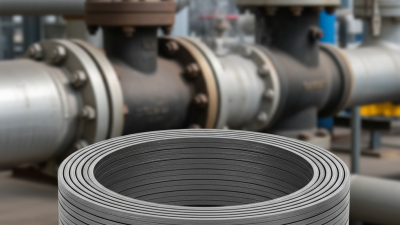
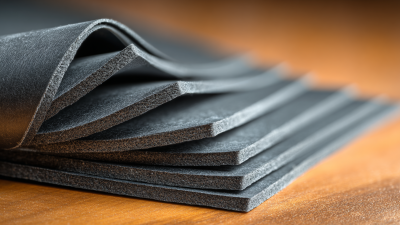
When selecting flexible graphite packing, understanding the various types available is crucial. Flexible graphite packing comes in different forms, including cut gaskets, sheets, and rings. Each type serves distinct purposes depending on factors like temperature tolerance and pressure resistance, which are key in many industrial applications.
A recent industry report highlights that flexible graphite can withstand temperatures up to 450°C and pressures exceeding 30,000 psi. This makes it suitable for high-performance environments, such as chemical processing or power generation. However, not all types are created equal. Some types may perform well in certain conditions but struggle in others. For example, while braided packings are versatile, they can wear out quickly if not properly chosen for the application.
Further complicating the selection is the requirement for sealing reliability. Studies indicate that improper packing can lead to leaks, resulting in costly downtimes. Therefore, careful evaluation of the material's compatibility with specific chemicals is necessary. The wrong choice not only impacts system performance but also safety. This highlights the importance of not rushing the decision-making process. It is vital to consult with experts in the field to ensure that the right type of flexible graphite packing is chosen for your specific needs.
Assessing Performance Criteria for Your Specific Needs
When selecting flexible graphite packing, it’s essential to consider specific performance criteria tailored to your application. Evaluate factors such as temperature range, pressure, and chemical compatibility. Each of these elements plays a vital role in the packing's performance. For instance, a high-temperature application may require packing that can withstand extreme conditions without degrading.
Tip: Always consult with a materials expert. They can help assess compatibility with fluids and gases. Perform practical tests when possible. Real-world usage can differ from theoretical predictions.
Another critical aspect is the packing density. A denser packing may provide a better sealing capability, but it can also lead to higher friction in moving applications. This balance is crucial.
Tip: Keep an eye on wear patterns. They can indicate whether the chosen packing is suited for your application. If you notice unusual wear, reevaluate your selection.
Understanding these criteria ensures that you make informed decisions. Remember, it's not only about choosing a packing; it’s about choosing the right packing that meets your specific demands. The implications of your choice can be significant, affecting both efficiency and equipment lifespan.
How to Choose the Right Flexible Graphite Packing for Your Needs?
| Packing Type |
Temperature Range (°F) |
Pressure Rating (psi) |
pH Compatibility |
Applications |
| Style A |
-400 to 750 |
2000 |
1-14 |
Steam, Oil, Gas |
| Style B |
-300 to 1000 |
1500 |
3-11 |
Chemical Processing, HVAC |
| Style C |
-200 to 1200 |
2500 |
1-14 |
Power Generation, Water Treatment |
| Style D |
-400 to 800 |
3000 |
0-14 |
Mining, Pulp and Paper |
Best Practices for Installation and Maintenance of Graphite Packing
When selecting flexible graphite packing, proper installation and maintenance are crucial for maximizing its lifespan and efficiency. The right installation technique can significantly reduce wear and leakage. According to industry reports, improper installation accounts for nearly 30% of packing failures. Always ensure the sealing surface is clean and free of debris. Misalignment can lead to uneven pressure distribution, causing premature failure.
Regular maintenance checks are essential. Inspect the packing for signs of wear or degradation every few months. A study indicated that proactive maintenance can extend the life of graphite packing by up to 50%. Monitoring temperature and pressure parameters will help in identifying potential issues early. In some cases, removing and re-inserting packing may be necessary, but caution is crucial to avoid damage. Small mistakes can lead to costly repairs or downtime.
Adherence to manufacturer guidelines is vital, but every installation may demand adjustments based on specific conditions. Documenting your procedures can help refine practices over time. Observing how graphite packing performs under various conditions offers invaluable insight. Engaging with industry experts can also enhance your understanding of best practices.