What is Carbon Graphite Foil and Its Applications?
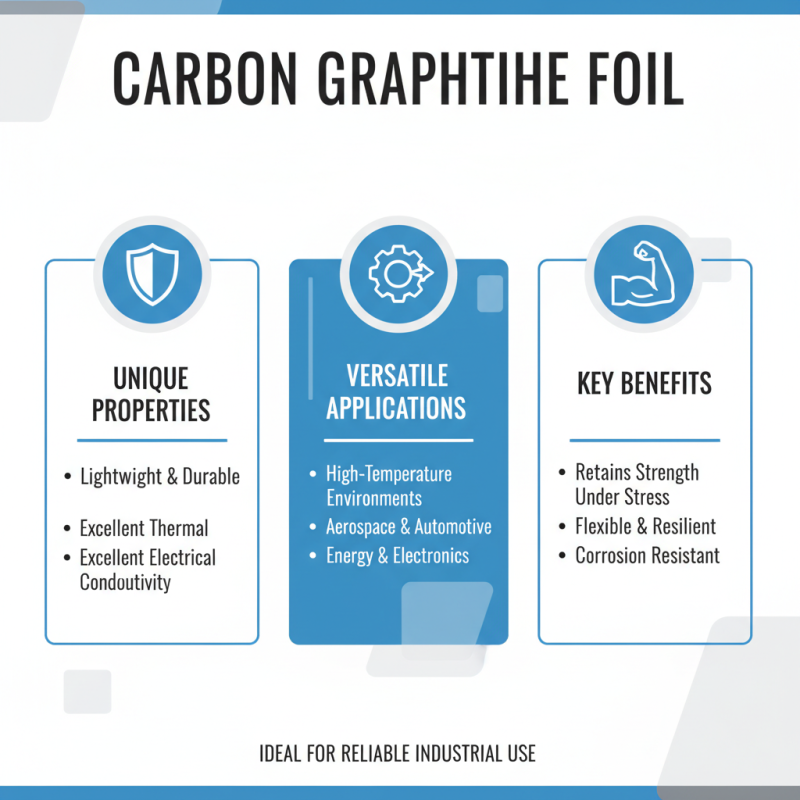
Carbon Graphite Foil is a versatile material with numerous applications in various industries. Dr. Emily Johnson, an expert in material science, states, "Carbon Graphite Foil offers unique properties that enhance performance and efficiency." This material is lightweight yet durable, making it suitable for high-temperature environments.
In electronics, Carbon Graphite Foil serves as an effective thermal interface material. It enables efficient heat dissipation, essential for maintaining the performance of devices. However, not all applications realize its full potential. Some industries overlook the advantages due to lack of awareness or understanding.
Moreover, the manufacturing process of Carbon Graphite Foil can be complex and costly. As a result, some companies hesitate to invest in this technology. A deeper exploration of carbon graphite's benefits could lead to more widespread use. Addressing these challenges is vital for its future in innovative applications.

What is Carbon Graphite Foil?
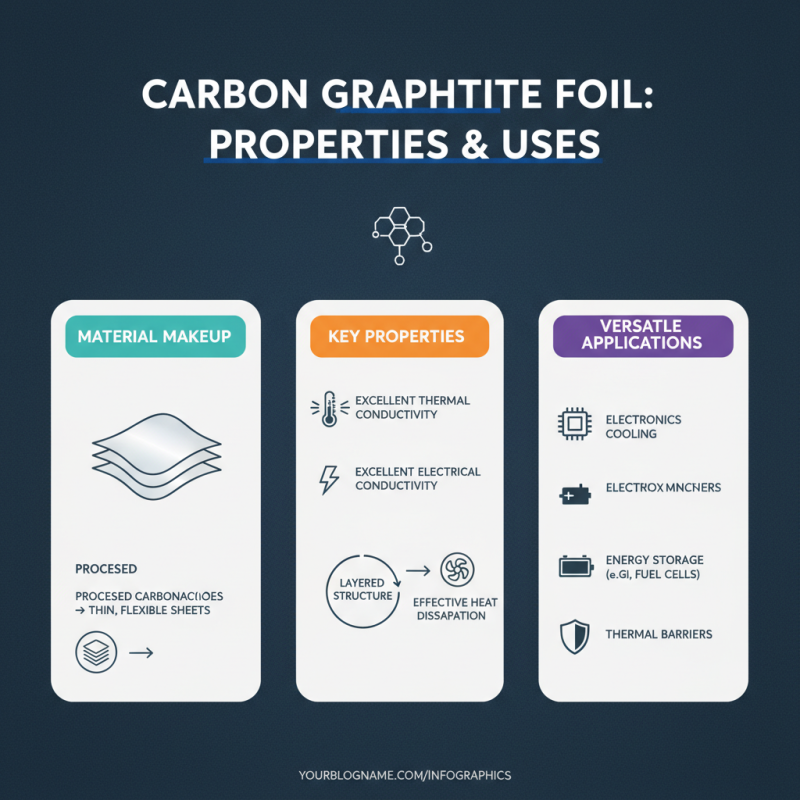
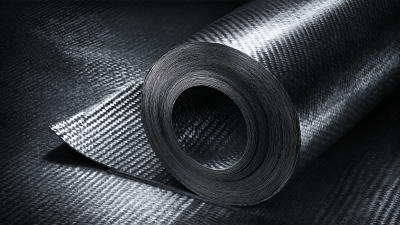
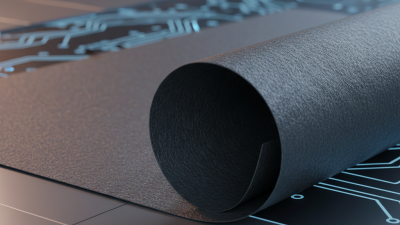
Carbon graphite foil is a versatile material with several unique properties. It is made from carbonaceous materials that are processed to create thin, flexible sheets. These sheets exhibit excellent thermal and electrical conductivity. The structure of carbon graphite foil allows for effective heat dissipation, making it useful in various applications.
In industries like electronics, carbon graphite foil is crucial. Manufacturers often use it in devices requiring thermal management. Its ability to form tight seals adds to its value in preventing leakage in systems. Moreover, its lightweight nature makes it a preferred choice for aerospace applications. However, sourcing high-quality raw materials for this foil can sometimes cloud production processes.
While carbon graphite foil has many advantages, challenges exist. The production process can be energy-intensive. Environmental considerations are often overlooked. Additionally, the material's durability varies based on quality control. This raises questions about its long-term reliability in specific applications. Evaluating these aspects is essential for future advancements in the material’s use.
Properties and Characteristics of Carbon Graphite Foil
Carbon graphite foil is a versatile material known for its unique properties. It combines the strengths of graphite and carbon for various applications. This foil is lightweight yet durable, making it ideal for industries requiring reliable materials. Its excellent thermal and electrical conductivity is impressive. These properties allow carbon graphite foil to perform well in extreme temperatures. It retains strength and flexibility, even under stress.
The chemical resistance of carbon graphite foil sets it apart. It withstands harsh environments without degrading. This makes it suitable for use in corrosive substances. However, the manufacturing process isn't always perfect. Variability can affect its overall quality. The thickness and purity of the foil may not always meet expectations. It’s essential to consider these factors when selecting the right foil for specific applications.
Moreover, carbon graphite foil is also environmentally friendly. It can be recycled and reused, reducing waste. This aspect is becoming increasingly important as industries shift toward sustainability. Still, the production process requires further improvement. Finding ways to enhance efficiency while maintaining quality is crucial for the future of carbon graphite foil.
Manufacturing Process of Carbon Graphite Foil
The manufacturing process of carbon graphite foil is both intricate and fascinating. It generally begins with high-quality graphite powder. This powder is combined with a binder to form a paste. The mixture is then spread onto a backing material, often using a specialized coating machine. This step must be precise. Any inconsistencies can affect the final product's quality.
Once the paste is applied, it undergoes a curing process. The foil is heated at controlled temperatures. This stage is crucial as it allows the binder to harden properly. After curing, the material is cooled and can be peeled away from the backing. This process creates thin sheets of carbon graphite foil. It’s essential to monitor temperatures closely; overheating can lead to material degradation.
Post-production, the foils are often tested for thickness and density. Each sheet must meet specific standards. Occasionally, minor defects arise, such as uneven thickness or surface imperfections. Addressing these issues is vital. Continuous improvement in processes can lead to better quality foils. Regular feedback from users can provide insights on the material's performance in real-world applications.
Applications of Carbon Graphite Foil
Common Applications of Carbon Graphite Foil in Industries
Carbon graphite foil is a versatile material with numerous industrial applications. It is known for its high thermal conductivity and lubricating properties. It is often used in applications where heat and friction are common issues. For instance, it can be found in machinery that requires effective cooling systems. The foil helps in maintaining optimal temperatures, thereby increasing efficiency.
In the automotive industry, carbon graphite foil serves as a crucial sealing component. It is effective in preventing leaks in engines and other critical areas. Many manufacturers opt for it due to its ability to withstand harsh conditions. Also, the foil reduces wear, contributing to longer component life.
Tips: Ensure proper installation for optimal results. Misalignment can lead to performance issues. Regular maintenance checks on equipment using graphite foil are also essential. This helps in identifying wear and ensuring longevity.
Advantages and Limitations of Using Carbon Graphite Foil
Carbon graphite foil has become a popular material for various applications, yet it has its advantages and limitations. On the plus side, it is known for its excellent thermal and electrical conductivity. This makes it ideal for use in electronics and aerospace industries. The foil can withstand high temperatures, which is essential in many applications. Its flexibility allows easy integration into different designs, enhancing its usability.
However, there are challenges associated with carbon graphite foil. It can be brittle, which may lead to breakage during handling. This limits its use in scenarios where strong impacts are expected. Additionally, the cost of manufacturing high-quality foil can be high. Many may find it a drawback when considering budget constraints. Despite its advantages, these limitations should not be overlooked.
The environmental impact of producing carbon graphite is another area for reflection. While it serves many purposes, sustainability should be a consideration. Responsible sourcing and recycling options are essential for future development. Balancing benefits with ecological responsibility is crucial for long-term use in various sectors.
What is Carbon Graphite Foil and Its Applications? - Advantages and Limitations of Using Carbon Graphite Foil
| Dimension |
Description |
Applications |
Advantages |
Limitations |
| Thickness |
Typically ranges from 0.001 to 0.020 inches |
Sealing applications in high-temperature environments |
Excellent thermal conductivity |
Higher cost compared to other sealing materials |
| Density |
Approximately 1.5 to 2.3 g/cm³ |
Used in electrochemical applications |
High strength and durability |
Susceptible to oxidation at extreme temperatures |
| Thermal Conductivity |
Excellent thermal conductivity properties |
Heat management in aerospace and automotive industries |
Resistant to thermal shock |
Limited mechanical strength at high loads |
| Chemical Resistance |
Excellent resistance to most chemicals |
Used in corrosive environments |
Long-lasting in harsh conditions |
Not suitable for fluorine and some alkali environments |