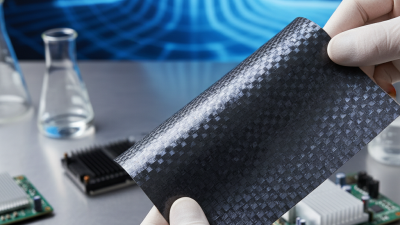
Best Graphite Sheets for Global Buyers How to Choose?
In the world of advanced materials, "Graphite Sheets" stand out for their remarkable properties and diverse applications. Industry expert Dr. Emily Chen has stated, "Choosing the right graphite sheet can significantly impact product performance." This highlights the importance of informed decision-making when selecting graphite sheets.
Graphite sheets are essential in sectors like electronics, aerospace, and automotive. Their thermal conductivity and electrical properties are unmatched. However, not all graphite sheets are created equal. Buyers face challenges in identifying the right type for specific needs. Variations in thickness, density, and purity can affect performance levels.
Understanding the nuances of graphite sheets requires expertise. It is easy to overlook critical specifications. Many buyers may focus too much on cost rather than quality. Exploring reliable sources and expert opinions can aid in making informed choices. Being aware of potential pitfalls ensures that the selected graphite sheet delivers optimal results.

Best Graphite Sheets: An Overview of Industry Standards and Applications
Graphite sheets are becoming essential in various industries, from electronics to aerospace. Their role in heat management and electrical conductivity is crucial. Reports show that the global graphite sheet market was valued at approximately $10 billion in 2022. It is projected to grow at a CAGR of 5% over the next five years. This growth highlights the increasing importance of high-performance materials.
When selecting graphite sheets, industry standards should be a top consideration. Properties like thermal conductivity, thickness, and purity significantly affect performance. For instance, high thermal conductivity sheets (above 600 W/mK) are ideal for applications where heat dissipation is critical. Such specifications often meet military and aerospace standards, emphasizing reliability.
However, not all graphite sheets are created equal. Variations in manufacturing processes can lead to inconsistencies in performance. Buyers need to scrutinize production methods and examine certifications. Inadequate information can lead to poor choices, costing time and resources. A thorough understanding of application requirements is vital for making the right decision.
Best Graphite Sheets for Global Buyers How to Choose?
| Property |
Value |
Industry Standard |
Applications |
| Thickness |
0.5 mm - 5 mm |
ASTM D1505 |
Seals, Gaskets |
| Conductivity |
> 500 S/m |
IEC 60093 |
Electrical Applications |
| Temperature Resistance |
-200°C to 3000°C |
ASTM E595 |
High Temp Sealing |
| Ash Content |
< 1% |
ASTM D5630 |
Specialty Insulation |
| Flexibility |
High |
ISO 3348 |
Automotive, Aerospace |
Key Factors to Consider When Choosing Graphite Sheets for Global Use
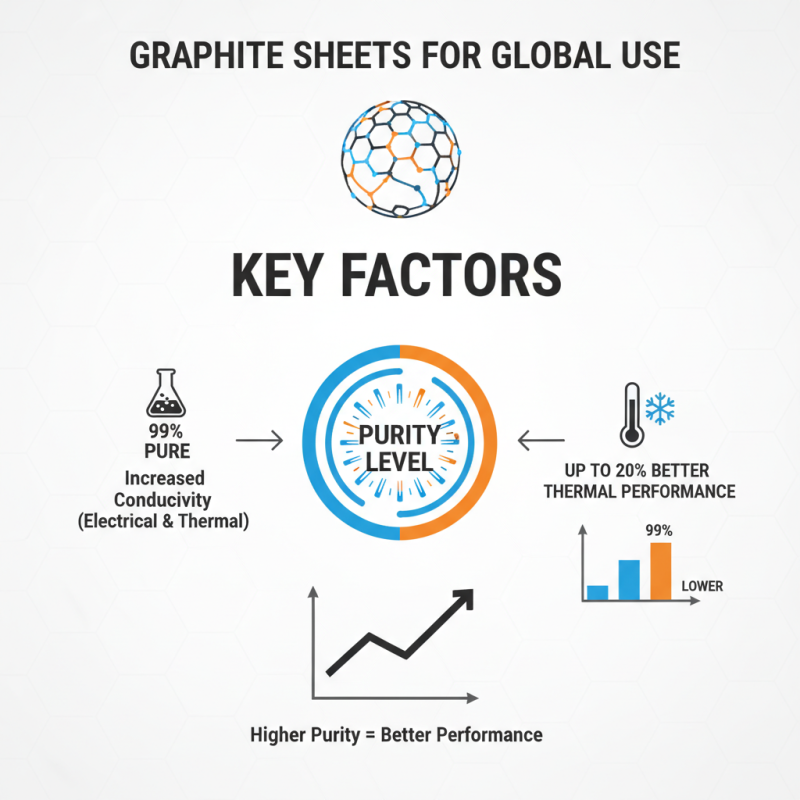
When considering graphite sheets for global applications, several key factors come into play. The purity level of graphite is crucial. High-purity graphite often leads to better electrical and thermal conductivity. According to market reports, sheets with 99% purity can show a performance increase of up to 20% in thermal applications compared to lower purity options.
Another important aspect is the thickness of the sheets. Thicker sheets provide better durability and are better suited for high-pressure applications. A study indicated that sheets exceeding 1 mm in thickness can withstand pressures of up to 5000 PSI, making them ideal for demanding environments. However, thickness can impact flexibility, which may be a drawback in certain applications. Engineers must balance the trade-off between durability and flexibility based on specific needs.
Finally, sourcing materials from reliable suppliers enhances the quality of graphite sheets. Reliable suppliers often provide detailed certifications and quality assurance data. A report by industry analysts highlighted that quality inconsistency from suppliers can lead to performance variability, impacting the end product. This underscores the importance of vendor vetting, ensuring the materials align with global standards.
Comparative Analysis of Graphite Sheet Suppliers and Their Quality Metrics
When choosing graphite sheets, it's essential to analyze suppliers thoroughly. The quality metrics of these suppliers can significantly impact your projects. Evaluate each supplier's production methods, material sourcing, and certifications. This will give you a clearer understanding of their reliability and performance.
Consider the specific application of the graphite sheet. High thermal conductivity and chemical resistance may be crucial for certain industries. Investigate whether suppliers adhere to industry standards. Look for those who invest in quality assurance processes. It can be beneficial to request samples for testing. This way, you can gauge their products against your specific requirements.
Tips for choosing the right supplier: prioritize those with transparent practices. A good supplier should be willing to share their production techniques and sourcing details. Communication is key. If a supplier is unresponsive, it may indicate potential issues down the line. Lastly, trust your instincts when selecting a supplier; experience can often guide your decision.
Comparative Analysis of Graphite Sheet Quality Metrics
Understanding Thermal Conductivity Ratings in Graphite Sheets
Thermal conductivity is a critical factor when selecting graphite sheets. It defines how well a material can transfer heat. Graphite sheets are commonly used in electronics, automotive, and aerospace applications for their excellent thermal management. Reports indicate that high-purity natural graphite can have thermal conductivity ratings exceeding 1500 W/mK. This level makes them ideal for high-performance applications.
Understanding the thermal conductivity ratings helps buyers make informed choices. Often, there is a trade-off between thickness and thermal performance. Thinner sheets may offer lower thermal conductivity, while thicker alternatives can better manage heat dissipation. It’s crucial to evaluate the specific needs of your application. No one-size-fits-all solution exists. Individual requirements can vary significantly across industries.
Moreover, buyers should consider manufacturing processes that influence thermal performance. For example, not all graphite sheets are created equal. Differences in purity, alignment of graphite flakes, and binder materials can impact overall efficiency. Research indicates that high-quality manufacturing improves thermal conductivity by about 20%. Assessing these factors ensures reliable performance and durability in real-world applications.
Market Trends and Future Projections for Graphite Sheet Demand Worldwide
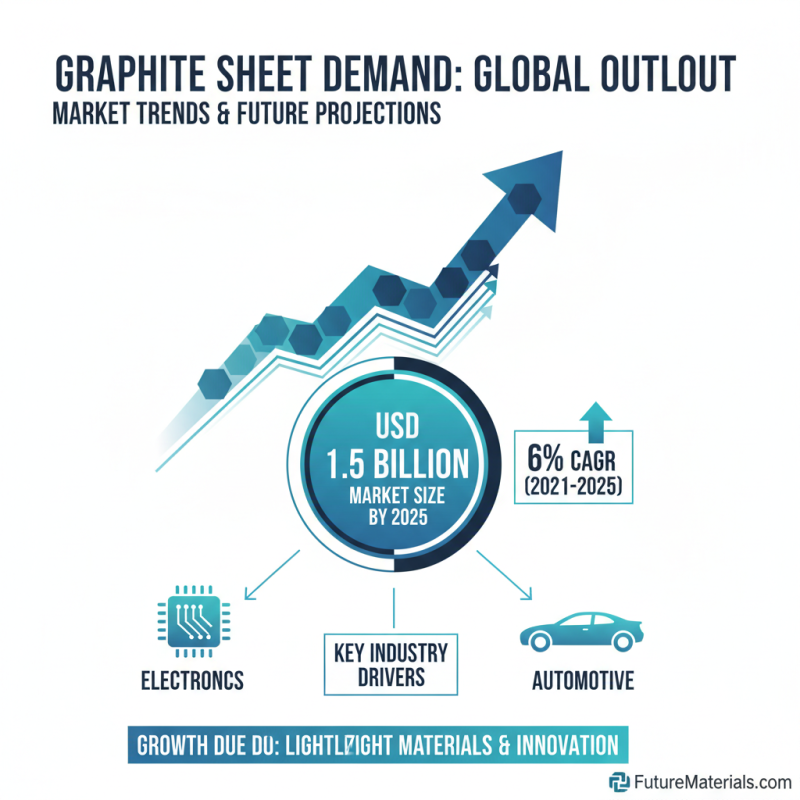
The global demand for graphite sheets is experiencing notable growth. Key industries, such as electronics and automotive, are driving this trend. According to recent industry reports, the market for graphite sheets is projected to reach USD 1.5 billion by 2025. This reflects a compound annual growth rate (CAGR) of around 6% from 2021. The increasing emphasis on lightweight materials is influencing this shift towards graphite.
In particular, the electronic sector is expected to be a significant consumer. As devices become smaller and more powerful, the need for efficient thermal management solutions rises. A notable study indicated that over 45% of graphite sheet usage comes from this sector. Meanwhile, the automotive industry is also embracing this material, primarily for electric vehicles (EVs). As more manufacturers shift towards EV production, the demand for advanced thermal interface materials, including graphite sheets, is likely to soar.
However, manufacturers face challenges. Sourcing high-quality graphite remains a critical issue. Additionally, the market is saturated with various grades of graphite. Buyers often struggle to discern what suits their needs best. Improved education on material properties is vital. This can help align production capabilities with market demands more effectively. Future projections suggest that strategic partnerships and innovation will play a key role in addressing these challenges in the graphite sheet landscape.