Top 10 Benefits of Thermal Graphite Film for Global Buyers?
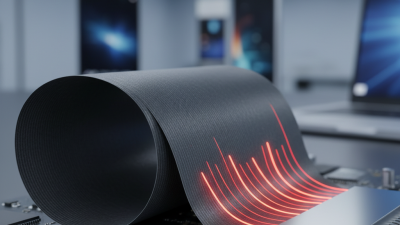
Thermal Graphite Film is gaining significant attention in various industries. It offers a range of unique benefits that cater to diverse needs. This advanced material has amazing thermal conductivity, making it ideal for electronic applications. Many global buyers are exploring its potential for innovative solutions.
This film stands out for its lightweight and flexible nature. It can easily fit into compact designs without compromising performance. As technology advances, the need for efficient heat management is paramount. Thermal Graphite Film meets this demand effectively. However, buyers should assess their specific requirements carefully; not all projects will benefit equally from this material.
The growing market reveals both opportunities and challenges. While Thermal Graphite Film showcases great potential, users must conduct thorough evaluations. Understanding its properties, advantages, and limitations will lead to informed decisions. Engaging with expert opinions enhances reliability in choosing the right solutions. Thus, a deeper exploration of the ten benefits will guide buyers toward effective applications.
Understanding Thermal Graphite Film and Its Applications
Thermal graphite film is increasingly recognized in various industries for its performance in heat management. It efficiently conducts heat, making it ideal for electronic devices, LED technology, and even electric vehicles. According to a market report by Allied Market Research, the global thermal management market is projected to reach $16.8 billion by 2026, highlighting a growing demand for materials like thermal graphite film.
Many professionals in the electronics field appreciate its lightweight and flexible nature. This makes thermal graphite film an excellent choice for applications requiring space-saving solutions. A study by Market Research Future emphasizes that the demand for thermal interface materials will grow by 10% annually. Such insights underscore the significance of understanding how thermal graphite film enhances performance and longevity in devices.
However, challenges remain in optimizing its manufacturing process. The production of thermal graphite film can be complex and costly. Ensuring consistent quality while keeping costs competitive is crucial for suppliers. As industries evolve, the need for innovative solutions persists, prompting ongoing research into improving the properties of thermal graphite film.
Enhanced Thermal Conductivity: Why It Matters for Buyers
Thermal graphite film has become essential for many industries. Enhanced thermal conductivity is a crucial feature that attracts global buyers. This material improves heat dissipation in electronic devices. Thermal efficiency directly influences device performance and lifespan. Without it, electronics can overheat. This leads to reduced functionality and potential failure. Buyers should carefully assess their thermal management needs.
When considering thermal graphite film, it's important to look at factors like thickness and density. Thinner films can fit in compact spaces but may offer less conductivity. On the other hand, denser films may provide better heat dispersion. Buyers should balance these aspects according to their specific requirements.
**Tips:** Evaluate your product's thermal load before making a choice. Conduct tests to compare various films. Improved thermal management can significantly enhance device reliability. Consider how thermal film integrates into your design for optimal results. Such thoughtful evaluation can save future costs and troubles.
Top 10 Benefits of Thermal Graphite Film for Global Buyers
| Benefit |
Description |
Impact on Performance |
| Enhanced Thermal Conductivity |
Offers superior heat dissipation for electronic devices. |
Prevents overheating, increasing durability. |
| Lightweight |
Thin film reduces overall weight in applications. |
Enhances portability of electronic devices. |
| Flexible Design |
Can be easily formed to fit various shapes. |
Offers versatility in product design. |
| Temperature Stability |
Maintains performance across a wide temperature range. |
Ensures reliability in extreme conditions. |
| Electrical Insulation |
Acts as an electrical insulator while conducting heat. |
Prevents electrical shorts in devices. |
| Eco-friendly |
Made from natural graphite, minimizing environmental impact. |
Supports sustainability initiatives. |
| Cost-effective |
Provides high performance at a lower cost compared to alternatives. |
Reduces overall production costs. |
| Wide Compatibility |
Compatible with various materials and surfaces. |
Simplifies integration in diverse applications. |
| Enhanced Reliability |
Durable and long-lasting performance. |
Reduces maintenance costs and product failure risks. |
| High Thermal Performance |
Superior thermal output compared to traditional materials. |
Enhances overall device efficiency. |
Durability and Longevity of Thermal Graphite Film in Various Environments
Thermal graphite film has garnered attention for its impressive durability and longevity in various environments. This material excels in extreme temperatures, which is crucial for electronic applications. It remains stable under high heat, ensuring optimal performance without degradation. Users will find it effective in cooling systems, where consistent thermal management is vital.
However, the film's performance can be influenced by its installation. A flawed application may lead to hotspots, reducing its effectiveness. Buyers must ensure proper methods when integrating the film into devices. It’s essential to perform careful assessments, especially in environments with fluctuating temperatures or humidity.
In outdoor settings, thermal graphite film also showcases resilience against UV exposure. It endures without significant changes in properties. Yet, the long-term exposure to certain chemicals should be monitored. Some users report unexpected reactions, so keeping an eye on compatibility is wise. Understanding these elements can enhance longevity and reliability.
Cost-Effectiveness: Economic Benefits for Global Consumers
Thermal graphite film offers significant cost-effectiveness for global consumers. Its thermal conductivity surpasses many traditional materials. This high efficiency allows for reduced energy costs in applications. Moreover, using thermal graphite film can lead to longer product lifespans, minimizing replacement or maintenance expenses.
Beyond its performance, this material is lightweight. This feature impacts shipping costs positively. A lighter product means lower transportation fees. Interestingly, the initial investment might seem higher, but the long-term savings are considerable. Consumers often overlook the hidden costs of energy consumption, which thermal graphite film effectively reduces.
There are limitations too. Not all applications benefit equally from its use. Depending on specific needs, some may find alternatives more suitable. Evaluating the trade-offs is crucial. Finding the right balance can maximize benefits and minimize costs. Understanding these aspects can lead consumers to make informed decisions.
Versatility: Compatibility with Different Technologies and Industries
Thermal graphite film has emerged as a versatile solution for various industries, particularly in electronics and energy. This material's compatibility with different technologies enhances its appeal to global buyers. A report by IDTechEx indicates that the demand for thermal management solutions in electronics is expected to grow by over 25% in the next five years. Thermal graphite film plays a pivotal role in this trend.
In electronics, thermal graphite film can be used in smartphones, laptops, and electric vehicles. Its superior thermal conductivity, ranging between 1500 to 2000 W/mK, effectively dissipates heat. This attribute is crucial as overheating can lead to performance degradation and failures. However, manufacturers must be cautious; not all applications can utilize graphite film optimally. Material integration challenges exist, which can affect production costs and efficiency.
Moreover, the versatility of thermal graphite film extends to renewable energy systems. It can be integrated into solar panels and batteries, improving their performance and lifespan. According to MarketsandMarkets, the global market for thermal management in energy systems might reach $15 billion by 2025. Yet, research into the film’s long-term durability and environmental effects remains limited. This raises questions about its sustainability and recyclable properties, demanding further investigation and innovation.
Top 10 Benefits of Thermal Graphite Film for Global Buyers
This bar chart illustrates the top benefits of thermal graphite film across various industries, showcasing its versatility and effectiveness in enhancing thermal management solutions.